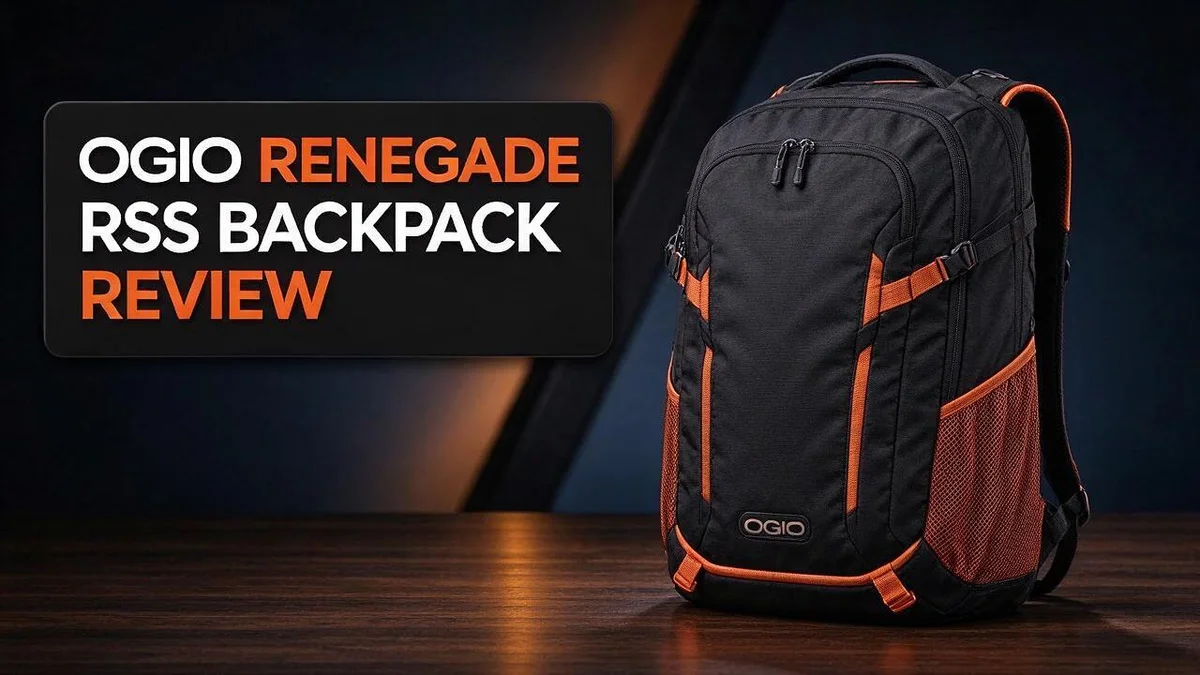
OGIO Renegade RSS Backpack Review 2026: Buyer’s Guide
Looking for a backpack that can handle your daily grind? The OGIO Renegade RSS Backpack might be the answer. It has a clean look and plenty of room for work, school, or travel.
It offers about 1800 cubic inches of space. A dedicated laptop pocket keeps your computer protected and easy to reach.
Many customers say this bag lasts for years. Some report more than 10 years of heavy use. The 600D polyester build is also water resistant, and some owners say it kept their electronics dry in the rain.
In a Nutshell
- Light weight build: At about 3.5 lbs empty, this pack adds very little bulk before you load your gear, which keeps your total carry weight lower.
- Clear size details: It stands 19.5 inches tall, 14 inches wide, and 10.5 inches deep, so you can plan your space before you decide.
- Water resistant shell: The 600D polyester pindot fabric resists rain, and reports say it kept electronics dry during a heavy downpour on the way to class or work.
- Wear to watch: One reviewer found a torn mesh strap and flattened strap foam after extended use, even though they called the build very well made, so inspect the straps often.
- Model check: The Renegade Pro is a separate bag with a 25 L size and different fabrics, so confirm which version you want.
- Best fit: Students, commuters, and daily laptop carriers will find this pack a practical match for everyday tasks and long walks.
Build and Materials


Last update on 2026-11-15 / Affiliate links / Images from Amazon Product Advertising API
The outer shell starts with 600D polyester. Polyester is a common choice for packs because it resists stretching and holds its shape.
The pindot pattern adds a textured surface. Small dots can help hide light scuffs during daily travel.
Polyester also dries quickly after a wet commute. It does not soak up moisture like cotton does, so your gear stays drier longer.
Mesh areas need a little extra care. Breathable mesh keeps your back cooler, but it can snag on rough surfaces and zippers. Keep the pack away from rough concrete and thorny branches.
Inspect the stitching before every big trip. Look closely at where the straps meet the body. Strong stitching in these spots carries most of the weight. Check for loose threads each month.
Your daily routine affects how long the pack lasts. Packing heavy items low and close to your back spreads the load. This habit keeps the seams under less strain.
Clean the shell with a damp cloth. Mild soap and water remove dirt and grime. Let the bag air dry fully before you store it.
Store the pack in a cool, dry place. Heat and damp rooms can weaken fabric and foam over time. A closet shelf works well for most people.
Zippers and pulls deserve a quick check. Run each zipper slowly to spot any snags. Gentle use keeps the teeth aligned and avoids stress on the fabric around them.
Interior organization protects your gear. Look for a pocket that keeps electronics separate from keys and pens. This layout limits scratches and rubbing during the day.
Pack weight matters as much as material. Even a strong shell feels heavy when you load it with extra items. Remove anything you do not need before each trip.
Who benefits most from this build? Commuters and students who carry books, laptops, and lunch every day often value a sturdy shell. Frequent travelers may want to keep loads lighter for comfort.
Capacity and Organization
Space matters most when your day gets busy. The main compartment gives you open room for clothes, lunch boxes, and bulky notebooks. You can pack in layers without feeling squeezed.
The laptop pocket sits in its own sleeve. Its roughly 15.5 by 10.5 inch frame gives your laptop a snug home. Check your laptop dimensions against the pocket before you pack.
Keep heavy items close to your back. Place your laptop and books against the panel that rests on your spine. This keeps the weight centered and reduces strain on your shoulders.
Use the main space for soft items. Jackets, gym clothes, or a rolled sweater fill gaps well. They shape to open space and leave less empty room around heavier gear.
Separate small things to avoid clutter. Cables, chargers, and pens can roll around and tangle. Pouch them in small zip bags so they stay easy to find.
Small pockets help more than you think. Side pockets can hold water bottles or umbrellas. Use them for items you need fast so the main space stays clear.
Think about daily access. Keep things you grab often, like keys or a water bottle, near the top. Items you need less often can sit lower where they stay out of the way.
Leave some room for growth. A pack packed to the seams puts stress on zippers and seams. Leaving a little slack helps the bag close smoothly and last longer.
Watch the balance on the go. An overstuffed pack can pull to one side. Spread items evenly so the bag sits upright on your back.
Plan your packing before you leave. Load the bag the night before. A quick check helps you spot missing items early and keeps mornings calmer.
Who benefits most from this layout? Students, commuters, and remote workers often find it useful. Anyone who carries a laptop and daily essentials will appreciate the simple setup.
Weather Protection
Rain season tests every bag. Wet streets, puddles, and sudden storms can soak a pack from the outside in. Good habits keep your gear dry and ready.
Before you head out, check the zippers. Close them fully so water cannot slip through the gap. A quick tug on each pull tab tells you if one sits crooked.
On heavy rain days, pack a dry bag or plastic liner for your phone and tablet. This extra layer adds peace of mind when the sky opens up.
After a downpour, empty the pack and let it dry. Hang it open in a cool, shady spot.
Avoid direct heat from radiators or hair dryers. Heat can warp the shell and dry out the fabric.
Wet clothes can leave the inside damp for hours. Place a dry towel inside to soak up extra moisture.
Pull out rain jackets and gym clothes as soon as you reach your destination. Leaving them inside invites a musty smell.
Snow and sleet need extra attention too. Brush off slush and ice before it melts into the seams.
Road salt can cling to the bottom panel. Wipe it down once you get home.
Sunshine matters as well. Long days outside can fade bright colors over time.
Keep the pack out of a hot car trunk when you can. Heat builds up quickly inside a closed vehicle.
The shoulder straps often take the hardest hits from weather. Rain makes the padding heavier and slower to dry.
Let the straps air out fully before you pack the bag again. This step helps prevent odd smells.
Store the bag in a dry closet between trips. A cool, dry place keeps mildew away and helps the fabric hold its shape.
Small habits add up over time. A quick wipe after each wet day keeps dirt from settling into the fabric.
That simple routine helps your pack handle rain, snow, and sun with less stress.
Top 3 Alternatives
Peak Design Everyday Backpack

Last update on 2026-11-15 / Affiliate links / Images from Amazon Product Advertising API
Peak Design Everyday Backpack is a great pick for commuters who want style.
Its sleek shape looks sharp in an office or on a city street.
You can expand or shrink the main compartment to fit your gear. Side access zippers let you grab items fast.
The padded laptop sleeve keeps your tech safe on busy days.
Many users love the smart organizer pockets. Each pocket keeps small items easy to find.
Osprey Farpoint 40

Last update on 2026-11-13 / Affiliate links / Images from Amazon Product Advertising API
If you travel often, the Osprey Farpoint 40 can help you stay organized.
It fits many carry-on rules, so you can skip checked bags on short trips. The lockable zippers add peace of mind in crowded airports.
The suspension system carries weight well on long walks. A padded hip belt moves pressure off your shoulders.
The clamshell opening shows everything inside at once. Packing feels simple, and unpacking feels just as easy.
Timbuk2 Command Backpack

Last update on 2026-11-15 / Affiliate links / Images from Amazon Product Advertising API
The Timbuk2 Command Backpack brings a fun and bold feel to daily carry.
It handles light rain well, so your gear stays dry on cloudy days.
The top flap keeps items secure when you move around town. Inside, you find padded sleeves and simple organization.
The bag suits students, designers, and creative workers alike. Pick the bag that matches your daily routine and you will feel the difference fast.
Comfort Under Heavy Loads
The OGIO Renegade RSS Backpack starts light. It weighs about 3.5 pounds before you add anything. That leaves more room in your allowance for books, tools, and gear.
Heavy days test every strap. The padded straps stay comfortable even when the pack feels full. Many owners say the padding keeps pressure off their shoulders on long walks. It also helps when the pack holds textbooks, a laptop, and a lunch box.
Comfort can change over time, though. One reviewer noticed the strap foam had flattened with use. Flat foam offers less cushion, so your shoulders may feel more pressure after years of daily carrying.
Mesh wear also affects how the straps feel. Another reviewer reported a torn mesh section on a shoulder strap. Check that spot often, because a small tear can grow under constant pressure.
Fit matters just as much as padding. Shift the pack until it sits high and snug on your back. A pack that hangs low pulls hard on your lower back and neck.
Carry it with both straps every time. Using one strap shifts the load to one side. Over time, that imbalance can tire one shoulder faster than the other. Even small shifts add up after a full school or work day.
Long walks need short breaks. Set the bag down every hour or so and roll your shoulders. This gives your body a chance to reset before the next stretch. Short pauses also help you avoid sore muscles at the end of the day.
Many customers report more than ten years of use under heavy loads. That track record suggests the design handles daily weight well. At the end of each day, loosen the straps and let your shoulders rest. Check the foam and stitching for signs of wear. Comfort grows from good habits, so fit, balance, and breaks all count.
Long-Term Wear and Durability
Many owners report that this pack lasts for years. Some customers say they used it for more than ten years under heavy loads. That kind of life span is rare for a daily bag.
The fabric is 600D polyester pindot. This material handles scuffs and everyday rubbing well. It keeps its shape after many trips.
Still, no bag stays perfect forever. One reviewer noticed torn mesh on a shoulder strap after extended use. That reviewer still called the overall build very well made.
Strap foam can flatten over time. This change reduces padding comfort. Owners may notice the straps feel thinner on long walks.
Wear shows up first in high contact areas. Rubbing points near the straps and base need the most checks. Mark these spots during each inspection.
Check the mesh panels every few months. Look for small tears near the strap edges. Catching them early keeps a small problem from growing.
Pay attention to the stitching too. Look at seams where straps meet the body. Loose threads often signal stress that needs attention.
Think about how you carry the pack over the years. A bag that stays evenly loaded wears more slowly. Uneven carrying can stretch one side faster.
Small repairs can extend the life of your pack. A needle and strong thread can close minor seam gaps. Many owners handle these fixes at home.
Replacing strap padding is another option. Some people add new foam or padded covers. This can restore comfort without buying a new bag.
Keep an eye on the zipper teeth too. Bent or worn teeth can snag over time. Gentle handling keeps the zippers running smoothly.
Overall, the Renegade RSS shows strong potential for lasting use. With simple checks and light repairs, it can serve you for many seasons. Good care makes the difference.
Pros and Cons
Pros
- A padded laptop pocket keeps your device snug and safe.
- The padded straps stay comfortable under heavy loads.
- Reviewers often call the build very well made.
- The simple look suits school, work, and travel.
- It works well for daily commuters who carry a lot.
Cons
- Mesh on a shoulder strap can tear after extended use.
- Strap foam may flatten over time, which reduces cushioning.
- One reviewer’s experience may not match yours, so results can vary.
Who Should Buy It
This pack suits people who want one bag for many jobs. It holds a laptop, notebooks, a lunch, and a spare shirt with room to spare. Its 1800 cubic inch capacity gives you space without feeling bulky.
Students who move between class, the library, and a weekend job will find the space helpful. Plenty of room means fewer trips back home for forgotten items.
Travelers should measure the pack first. At 19.5 inches tall, 14 inches wide, and 10.5 inches deep, it may fit some airline size limits but not others. Check your airline rules before you book a flight.
Laptop owners with thick machines should check the pocket depth. The padded laptop pocket measures 15.5 inches tall, 10.5 inches wide, and only 1 inch deep. Slim laptops fit well, but thicker models may not sit flat.
Hikers should compare features before they buy. If you plan long trails, look for hip belts and hydration sleeves on the product page. Those extras can change how the load feels on your body.
Remote workers who carry a laptop, charger, and notebook may find enough room for daily gear. Buyers who need a bag for city days and quick trips will likely enjoy the balance of size and weight.
Gift shoppers may also find this pack useful. A student or commuter in your life may appreciate a sturdy bag with plenty of space. Check the product page for current options before you order.
Before you decide, think about how often you will carry heavy loads and how long you plan to keep the pack. A clear answer to those questions makes the choice easier.
Final thought for buyers. This backpack fits people who want steady daily use, roomy storage, and water resistance. If that describes your routine, it may be a strong match for your needs.
Final Verdict
The OGIO Renegade RSS Backpack earns a solid place on our list. It balances daily comfort, simple style, and durable materials in one pack.
Our final take is positive. Most owners seem happy with how the bag handles daily wear. The few complaints we found focus on small wear points rather than major failures.
The biggest strength is versatility. You can move from class to meeting to a weekend trip without switching bags. That saves time and keeps your gear in one place.
Keep in mind the compromises. The pack does not include a hip belt or hydration sleeve. Hikers with long trail plans may need a different model.
Think about your daily load first. A light carry will feel easy on any strap. A heavy setup shows whether the padding truly helps. Test it with your usual items before you commit.
Buyers who value a clean look will like this design. It avoids loud logos and flashy panels. It blends well in offices, campuses, and airport lounges.
Who should choose this pack? Students, commuters, and remote workers who want one dependable bag will benefit most. People who need specialized outdoor features should look elsewhere.
Remember that one reviewer’s wear problems may not appear in your case. Your habits matter more than any single report. Gentle handling and regular checks can keep the bag in good shape.
Shoppers should also think about the next few years. Ask whether your schedule or your gear might change soon. A pack that fits today may not fit a new laptop or a bigger workload later.
Our bottom line: the Renegade RSS offers strong daily performance. It suits people who want a simple, sturdy companion for many jobs. Measure your gear, try it on, and choose the option that matches your routine, not someone else’s.
Frequently Asked Questions
How should I load the pack for daily comfort?
Place heavy items close to your back. Put your laptop in the padded pocket near the center of the bag. This keeps the weight balanced. Your shoulders will feel less strain on long walks to class or work.
How can I make the bag last longer?
Wipe the fabric with a damp cloth after muddy days. Check the shoulder straps every few months for small tears. Catching wear early can stop a small problem from growing into a bigger one.
Does the fabric handle wet weather?
The 600D polyester pindot fabric sheds light rain well. Heavy storms can still soak through. Keep electronics in the padded pocket and use a dry bag for extra protection. Wet gear should stay separate from your notebooks.
Who should look at other options?
Serious hikers may want more features. The pack has no hip belt, so long trail days may feel heavy. This bag fits city life, school, and office work better than rugged outdoor trips.

Hi, I’m Luna Beck — the founder and voice behind Urban Pack Vault. I’m passionate about helping people find bags that perfectly match their lifestyle. From backpacks to travel luggage, I research, review, and recommend so you never have to second-guess your next purchase.