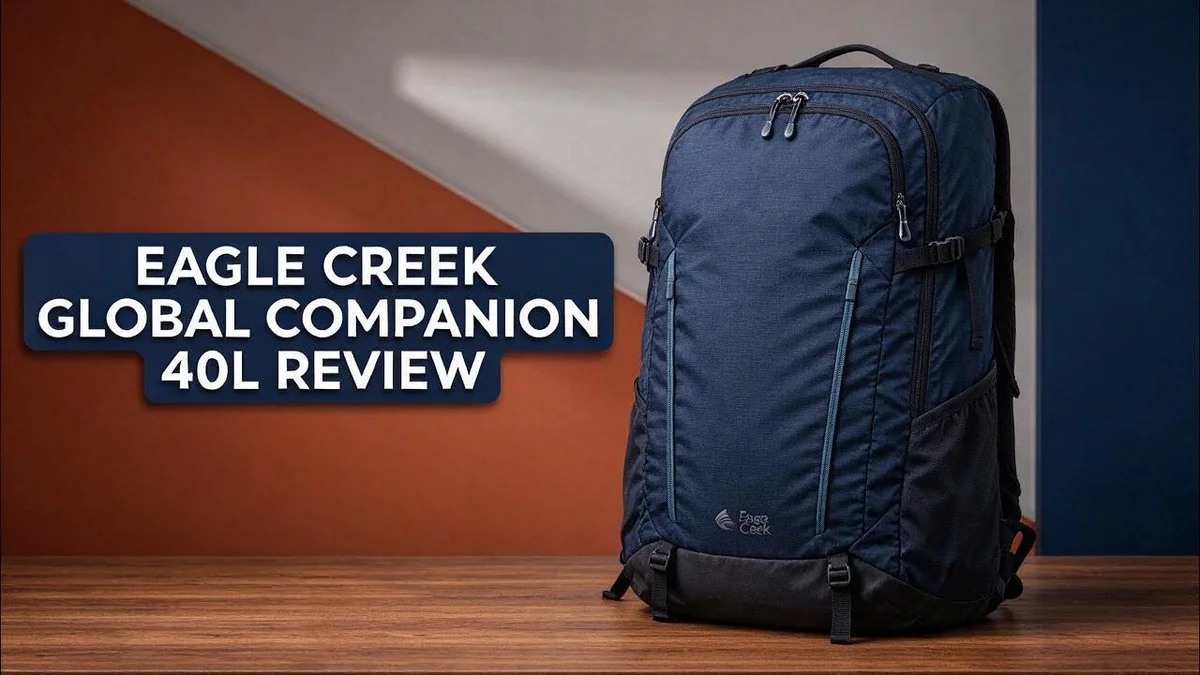
Eagle Creek Global Companion 40L Review: Final Verdict
Packing for a trip should feel easy, not stressful. The Eagle Creek Global Companion 40L aims to make travel days simpler. It offers a clamshell opening that lays your gear flat. You can also open it like a regular backpack or reach the bottom from the sides.
Think about your next trip. Do you need quick access to your laptop at the airport? This pack gives you dual access, so you never dig through the whole bag. Its roomy interior holds plenty of clothes and essentials. Many handy organizer tools keep everything in its place.
Durability matters on the road. The pack feels durable and comes with a good warranty. The harness system also handles heavy loads well. Still, the 40L size feels heavier than smaller 30L packs, so keep that in mind.
In a Nutshell
Here is a quick look at what sets this pack apart.
- Clamshell opening for easy viewing: The main compartment spreads wide like a suitcase. You can spot every item at a glance without digging through the whole bag.
- Three ways to access your gear: You can open it like a regular backpack, from the sides, or through the clamshell. Each option suits a different situation.
- Quick laptop retrieval: Dual access lets you grab your laptop fast. You do not need to unpack everything at the airport or in a busy cafe.
- Room and support for heavy loads: The 40L capacity holds plenty of gear. The harness system keeps the weight comfortable when the pack gets full.
- Simple interior cleaning: Wipe the interior fabric with a damp cloth and skip the soap. Let it dry fully before you store it away.
- Weight to consider: The 40L size feels heavier than 30L packs. Think about how much you plan to carry before you head out.
Capacity and Interior Organization

Last update on 2026-11-12 / Affiliate links / Images from Amazon Product Advertising API
Space is only part of the story. The way the inside is set up matters just as much. Many organizer tools help you keep your gear sorted from the start.
Think of the main compartment as a blank canvas. You can fill it with packing cubes, shoe bags, or toiletry pouches. Each cube holds one type of item, so you never dig through a messy pile.
Stack your clothes in cubes by outfit. Roll shirts and place them in the top layer. Put heavier items like shoes near the back panel. This keeps the weight close to your back.
Smaller pockets handle the small stuff. Use them for chargers, passports, cables, and snacks. Keeping these items in one spot saves you from searching the whole bag at the airport.
Fit matters for short trips too. A 40L pack can serve as cabin luggage on many flights. Pack light, then check the size rules of your airline before you leave home.
Leave some room empty. A pack that is stuffed tight is harder to close and harder to carry. Leave a little space so you can add souvenirs on the way home.
Shared compartments also help couples or friends. Each person can use one side of the main section for clothes. Labels or colored pouches make it easy to see whose items are whose.
Check the organizer pockets before each trip. Make sure the zippers close fully and the pockets sit flat. A quick check prevents lost items during travel.
Try a test pack at home first. Fill the bag with your usual items and walk around the house. This shows you how the load feels before the trip starts.
Clamshell and Dual Access Design
Think about where you will open your bag. Hotel beds, train seats, and small hostel rooms often have limited space. Your pack needs to work in all of them.
The clamshell layout works best on a flat surface. Set the pack on a bed and open the front panel. You can see every item at once without digging through a dark pocket.
Side access shines in tight spots. Picture a crowded bus aisle or a narrow overhead bin. You can reach a toiletry bag or a light jacket without pulling the whole pack off your back.
Plan your packing order around each opening. Place the items you need first near the side openings. Store rarely used gear, like a spare sweater, deep in the center.
Dual access also helps when you travel with a partner. One person can grab a charger from the bottom while the other reads or sleeps. Shared gear stays easy to reach.
Keep the zippers clean, too. Dirt and grit can jam the teeth over time. Brush the tracks with a dry cloth before each trip. Never force a stuck zipper, because pulling hard can damage the teeth.
Watch the weight near the hinge. A heavy laptop packed at the clamshell edge can pull the pack out of balance. Place dense items close to your back panel instead. This keeps the load steady on your shoulders.
Check how the pack sits when it is fully loaded. Lift it, turn it, and open each access point. If a panel bulges or pulls, move a few items around. A small change can make the pack feel much lighter.
Practice at home before your trip. Open each access point and time how long it takes to find a common item. This simple test shows which opening suits your daily routine. Good habits at home lead to a smoother journey.
Comfort and Load-Carrying Harness
Comfort starts with the straps. A large pack can hold plenty of gear. The straps decide whether that gear feels light or heavy after a few hours on your feet.
Start by loosening every strap before you put the pack on. Then slip your arms through the shoulder straps and tighten them first. They should hug your shoulders without pulling you backward.
Next, focus on the hip belt. Most of the weight should rest on your hips, not your shoulders. Cinch the belt so it sits snugly on your hip bones. This move takes pressure off your upper back and makes the pack feel more stable.
The sternum strap keeps everything in place. Clip it across your chest and adjust it to a comfortable width. It stops the shoulder straps from sliding outward when you walk, climb stairs, or hurry for a train.
Torso fit matters too. A pack that sits too low or too high can strain your lower back. Measure your torso from the base of your neck down to your hip bones. Knowing this number helps you set the harness correctly every time.
Balance your load after you pack. Place heavier items close to your back and near the middle of the pack. Keep softer items like jackets near the top or bottom. This arrangement keeps the weight centered and reduces sway.
Take a short walk around the house before any trip. Climb a few flights of stairs and turn quickly from side to side. Pay attention to any pressure points on your shoulders or hips. Small adjustments now can prevent big problems later.
Long walks reveal how well the harness really works. Stop every hour or so. Loosen the hip belt for a moment and roll your shoulders. Your body will feel fresher, and you will enjoy the trail or the city streets much more.
Top 3 Alternatives
Osprey Farpoint 40

Last update on 2026-11-14 / Affiliate links / Images from Amazon Product Advertising API
Many travelers choose the Osprey Farpoint 40 for its sturdy build. It opens like a suitcase, so you can see every item at once.
The padded back panel feels comfortable during long walks through busy airports. Its size also fits most airline carry on limits.
The pack works well for weekend trips and longer stays alike. A zippered mesh pocket keeps dirty clothes apart from clean ones.
Gregory Wayfinder 40

Last update on 2026-11-12 / Affiliate links / Images from Amazon Product Advertising API
The Gregory Wayfinder 40 suits people who want extra support. Its adjustable suspension moves weight onto your hips.
You can adjust the torso length to match your frame. Several pockets keep small items neat and easy to reach.
Long hikers often enjoy the breathable back panel. A sturdy frame helps keep heavy loads steady on uneven ground.
Patagonia Black Hole Duffel

Last update on 2026-11-13 / Affiliate links / Images from Amazon Product Advertising API
If you prefer a duffel, the Patagonia Black Hole Duffel is a strong option. It is made from durable material that sheds water.
You can carry it by hand or over your shoulder. It packs down small when you need room later.
Frequent flyers like its generous interior space. The padded handles stay comfortable even when the bag is full.
Durability and Warranty
Durability starts with how a pack handles daily use. The Eagle Creek Global Companion 40L is known as a durable pack, so it can handle frequent trips.
Still, a tough pack only lasts when you care for it well.
Think about the zippers first. They take the most stress when you open and close the bag many times a day. Run each zipper slowly, and never force a snagged tooth.
Seams and stitching deserve a look too. Check the corners and the spots where the straps attach. These areas carry the weight of a full load, so they wear first.
Warranty coverage gives extra peace of mind. Reviewers often point to a good warranty for this pack.
Keep your receipt and read the warranty terms before your first trip. This helps you know exactly what the brand covers.
Storage matters after the trip ends. Let the pack air out after a rainy trip.
Store it in a cool, dry closet rather than a damp garage. Moisture can weaken materials over time.
Avoid dragging the pack across rough ground. Lift it by the handles or carry it on your back. Constant scraping can wear down the outer fabric and bottom panel.
Bottom panels take the most abuse. Set the pack on a clean surface rather than rough concrete. Keep sharp objects out of the lower section so they cannot poke through the fabric.
Watch for small repairs. A loose thread or a worn buckle is easy to fix early. Waiting often turns a small problem into a bigger one.
Give the pack a quick check every few months. A few minutes of care can add years of use.
Care and Maintenance
Cleaning the inside keeps your pack fresh over time. Wipe the interior fabric with a damp cloth and skip the soap. Soap can leave a sticky film that attracts dirt.
Drying comes next, and it matters just as much. Let the pack dry fully before you store it. Trapped moisture can lead to musty smells and mildew.
Empty every pocket after each trip. Shake out sand, crumbs, and loose scraps of paper. Small debris can scratch the lining over time.
Give the straps and buckles some attention too. Rinse them with fresh water after a beach day. Salt and sand can wear down the hardware faster than you think.
Food needs special care inside any pack. Keep snacks in sealed bags to prevent crumbs and spills. Wipe any spill right away, before it dries.
Read the care tag before you clean anything. The label gives the best guidance for your specific model. Following it helps you avoid mistakes.
Air out the pack after a rainy hike or a damp trip. Open the main compartment and let the air move through it. Even a little moisture can spread odor fast.
Store the pack loosely rather than packing it tight. A relaxed shape helps the padding recover. Stuffing it full for months can flatten the back panel.
Keep the pack away from direct heat. Radiators and hot car trunks can warp the shape and dry out materials.
Label your pack with a name tag or bright ribbon. It helps you spot it fast at airports, hostels, and busy baggage claims.
Make a quick check a monthly habit. Look over the pockets, straps, and interior fabric. Catching small problems early saves you trouble later.
Small habits make a big difference. Clean gear lasts longer and feels better on every trip. Good habits protect the pack and keep your travels stress free.
Pros and Cons
Pros
- Clamshell opening gives you full access to the main compartment.
- Dual access lets you grab your laptop quickly.
- Ample room fits plenty of gear for longer trips.
- Many organizer tools help keep your items sorted.
- The harness system handles heavy loads well.
Cons
- The 40L size feels heavy compared with 30L packs.
- Some compartments may feel smaller than expected.
- Lighter packs suit fast or short trips better.
Who Should Buy It
Frequent travelers who switch hotels every few nights will find this pack helpful. Packing feels more like using a suitcase. Items lie flat and stay easy to spot.
Business travelers who carry a laptop every day may also like it. Quick access helps during busy airport lines, when time runs short.
Students who move between dorms, home, and campus can benefit too. Commuters who carry lunch, a water bottle, and tech will feel at ease.
Backpackers planning multi-week routes need space, support, and order. This pack offers room for layered clothing, cooking gear, and rain shells. Weekend campers who bring extra supplies can fit everything in one bag.
People who dislike digging through a jumbled bag will value the layout. Hikers who like to stop often will appreciate the quick reach to their gear.
Parents who haul diapers, snacks, and spare clothes may find the setup handy. Photographers and field workers also gain from it, since they can reach gear without emptying everything.
Rolling travelers who love a suitcase will feel more at home with this pack. Adventure seekers who switch between trips often will get good use from it. It suits people who value neat packing over minimal weight.
Anyone who plans a mix of city days and trail days may find it useful. Who might skip it? Shoppers hunting for a small daypack will feel it runs large.
Those who prefer minimal gear may find the size excessive for simple trips. Choose this pack if you need order, access, and room.
Know your typical trip before buying. Think about how often you travel and what you carry. Gift buyers should know that fit matters most. Check torso length and hip belt comfort before you commit.
Ask the store about return policies before you decide. Test the pack with a full load to see how it feels.
Final Verdict
Is the Eagle Creek Global Companion 40L the right bag for you? Many buyers who want a large and organized pack say yes. Its good looks and solid build make it a standout choice.
Start by thinking about your trip length. A 40L size suits longer journeys with plenty of gear. Short getaways may leave extra space empty and add unneeded weight.
Try a test carry before you commit. Load the pack with your usual items and walk around for ten minutes. This step shows whether the straps sit comfortably on your shoulders and hips.
Your travel style decides how much this pack helps. Frequent flyers and long trip explorers will likely use every pocket. Occasional travelers may find a smaller bag easier to manage.
Check airline rules before you fly. Many airlines set strict size limits for cabin bags. A 40L pack may need to go in the hold on some flights, so measure before you travel.
Pack heavy items close to your back. This keeps the load centered and reduces strain on your lower back. Lighter items can sit near the outer edges.
Keep your receipts and warranty card in a safe place. Warranty support matters if zippers or straps wear down later.
Keep your expectations realistic, too. No single bag fits every trip or every body. Some people will prefer a slimmer option for quick flights and city breaks.
Pick this pack if you need structure and space. Skip it if you want a light, minimal carry. Its design rewards people who plan carefully and pack with purpose.
Think of the Eagle Creek Global Companion 40L as a serious travel partner. It rewards careful packing and long journeys with plenty of room. Compare it with your other options, then choose the bag that fits your life best.
Frequently Asked Questions
How do I clean the fabric?
Wipe the interior with a damp cloth. Skip soap, because it can leave residue. Let the pack dry fully before you store it.
Can I open it like a regular backpack?
Yes, you can. The pack opens like a clamshell, but it also works like a regular backpack. You can open it from the sides for easy access to the bottom.
Does it look good outside of travel?
Yes, it does. Many people like its attractive appearance, so it fits well on campus or in the office.
Will this pack last for years?
It is built to last. Users describe it as durable, and the good warranty adds peace of mind. Regular cleaning helps protect the fabric over time.
How can I compare it with other packs?
Start with capacity and weight. The 40L size runs larger and heavier than many 30L options, so check the numbers first. Then look at the harness and organizer features, since they matter most on long days.

Hi, I’m Luna Beck — the founder and voice behind Urban Pack Vault. I’m passionate about helping people find bags that perfectly match their lifestyle. From backpacks to travel luggage, I research, review, and recommend so you never have to second-guess your next purchase.