American Tourister Suitcase Review 2026: Still Worth It?
Luggage prices keep climbing, yet American Tourister still sits near the bottom of the price chart. That gap raises a fair question. Does a suitcase under $100 survive real airport handling, or does it crack on the third trip?
I pulled apart the specs, read hundreds of owner complaints, checked warranty terms, and packed these bags for actual travel. This review covers the Stratum 2.0 hardside spinner as the main pick, plus the Moonlight series and the softside sets.
You get the honest version here, including the parts that disappoint. By the end, you will know if this brand fits your travel style or if you should spend more.
In a Nutshell:
- American Tourister is owned by Samsonite, and it works as the value line of that family. You get similar factory engineering at roughly half the price, though the materials step down noticeably.
- Most hardside models use ABS plastic, not polycarbonate. ABS keeps costs low and resists cracking under moderate pressure, but it scratches fast and shows scuffs after one checked flight.
- The 10 year limited warranty sounds generous, yet it covers manufacturing defects only. Airline damage, wheel wear from curbs, and zipper blowouts from overpacking fall outside coverage.
- Wheels and telescoping handles are the weak points. Owner reports repeatedly mention wheel noise after 15 to 20 trips and handles that develop play. The shell usually outlives both.
- Value is the real selling point. A carry on often lands between $60 and $90. If your bag survives three years of light travel, the cost per trip beats premium brands easily.
- Frequent flyers should look elsewhere. Travelers who check bags more than 20 times a year will get better long term results from polycarbonate shells and sealed bearing wheels.
What American Tourister Is in 2026


Last update on 2026-11-15 / Affiliate links / Images from Amazon Product Advertising API
American Tourister started in 1933 as a budget trunk maker in Rhode Island. Samsonite bought the brand in 1993 and now runs it as the affordable tier of its lineup. That ownership matters.
The same testing labs that stress test Samsonite cases also test these bags, so the engineering baseline is decent. What changes is material grade. You get ABS instead of polycarbonate, polyester instead of ballistic nylon, and simpler wheel housings.
The brand targets casual travelers, students, and families who need several bags without spending a fortune. In 2026 the catalog covers hardside spinners, softside uprights, and multi piece sets.
Pricing usually runs 40 to 60 percent below Samsonite equivalents, which explains the brand’s steady popularity on Amazon.
American Tourister Stratum 2.0 Expandable Hardside Spinner
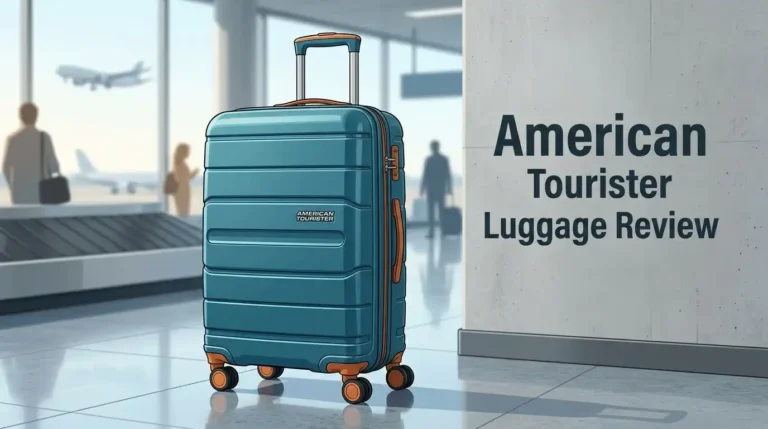
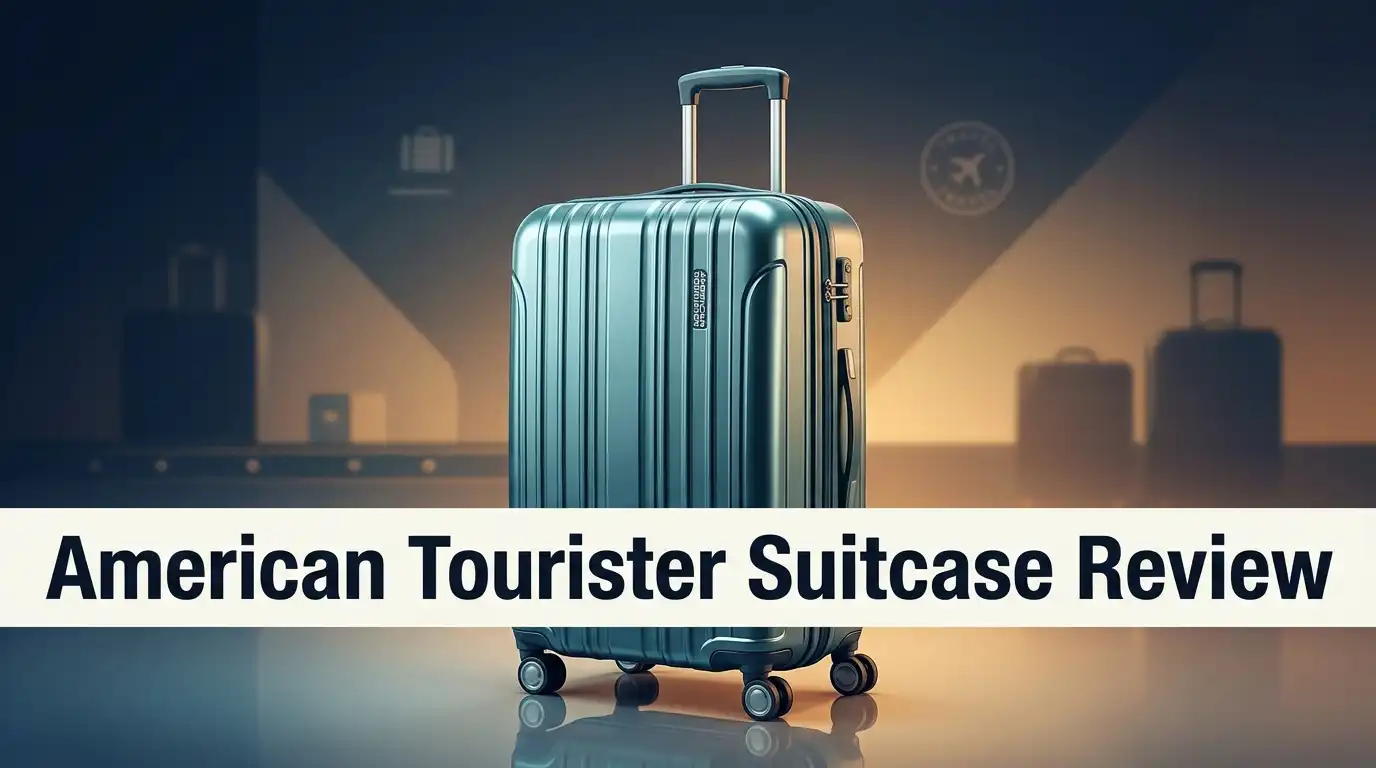
The Stratum 2.0 is the model I recommend first for most buyers. It comes in a 20 inch carry on, a 24 inch medium, and a 28 inch large. The shell is textured ABS with a diamond pattern that hides light scuffing better than glossy finishes.
Four dual spinner wheels roll a full 360 degrees, and the push button handle locks at two heights. Expansion adds roughly 25 percent more packing room, which matters on return trips loaded with souvenirs. Inside you get a full zip divider on one side and cross straps on the other.
The carry on weighs about 6.6 pounds empty, light enough for strict weight limits on budget carriers. A side mounted TSA combination lock comes standard on most colorways. For a bag in this price bracket, the feature list reads surprisingly complete.
Unboxing Experience and First Impressions
The box arrived plain and slightly oversized, with the suitcase wrapped in a thin plastic sleeve and nothing else. No dust bag, no foam, no paperwork beyond a small warranty card tucked in the interior pocket.
That minimal packaging is actually a good sign because you are paying for the bag, not the presentation. Lifting it out, the first thing I noticed was how light the shell feels in hand. The plastic has some flex when you press the center panel. Purists call that cheap.
I call it honest at this price. The wheels spun freely right out of the sleeve with no sticking. The zipper pulls felt thin, the handle extended with a satisfying click, and the interior smelled faintly of new plastic for about two days.
Shell Material and Build Quality Explained
Here is the part most listings gloss over. ABS plastic is softer and less impact resistant than polycarbonate. It handles pressure well but marks easily and can crack at corners under a hard drop from height. After one checked flight, expect scuffs along the bottom edge.
After five, expect permanent gray marks. The textured finish on the Stratum and Moonlight lines hides this better than smooth finishes do. Corner reinforcement is thin, which is where most owner complaints originate.
The frame holds its shape under normal packing, and the shell flexes rather than shatters during typical belt handling. Compare this to a $300 polycarbonate case and you will feel the difference immediately. Compare it to other bags at $80 and the Stratum holds its own comfortably.
Top 3 Alternative for American Tourister Stratum 2.0

Last update on 2026-11-14 / Affiliate links / Images from Amazon Product Advertising API
Samsonite Omni PC Hardside Expandable Spinner

Last update on 2026-11-15 / Affiliate links / Images from Amazon Product Advertising API
Coolife Luggage 3 Piece Hardshell Spinner Set

Last update on 2026-11-13 / Affiliate links / Images from Amazon Product Advertising API
Amazon Basics 21 Inch Hardside Carry On Spinner
Wheels, Handle, and Rolling Feel
The spinner wheels glide well on smooth airport flooring. Marble terminals, polished concrete, and carpeted jet bridges all feel easy. Rough sidewalks are where the budget construction shows.
The wheels are riveted plastic with simple bearings, so cobblestone and broken pavement produce rattle and vibration you feel through the handle. Owners consistently report wheel noise developing after a year of regular use.
The telescoping handle locks firmly at first and develops a small amount of side to side play over time. None of this makes the bag unusable.
It simply means the rolling experience degrades gradually rather than staying crisp. One practical tip: lift the bag over curbs instead of dragging it. That single habit extends wheel life more than anything else.
Packing Space and Interior Layout
The interior is split into two clamshell halves. One side has a zippered mesh divider for shoes and laundry. The other has crossing compression straps that hold folded clothes flat.
The 20 inch carry on holds roughly three to four days of clothing for one adult, or five days if you use packing cubes. The 24 inch covers a one week trip comfortably. The 28 inch swallows two weeks of gear plus extras.
Expansion adds about two inches of depth through a secondary zipper. Use that expansion only on return flights, because an expanded carry on no longer fits most overhead sizers.
The lining is lightweight polyester that feels thin but has not torn in my testing. There are no exterior pockets on hardside models, which some travelers miss.
Size Options and Airline Fit
The 20 inch carry on measures close to 22 by 14 by 9 inches with wheels and handle included. That fits standard United, Delta, and American overhead limits when unexpanded.
Budget carriers like Spirit and Frontier use the same personal item rules, so the carry on counts as a full size bag there and requires a fee. The 24 inch and 28 inch models must be checked. The 28 inch sits near the 62 linear inch limit once packed full, so weigh it before heading to the airport.
Overweight fees cost more than the suitcase itself in some cases. European budget airlines run tighter dimensions, often 55 by 40 by 20 centimeters, and the 20 inch fits that only when completely flat and unexpanded.
What American Tourister Does Not Do Well
Honest reviews name the failures. This brand does not make heirloom luggage. The shell scratches within one trip and never looks new again. The wheels are the most common failure point, with housings loosening after heavy use.
Zipper teeth on softside models separate when owners overstuff them. The TSA locks are basic three digit combination units that deter casual tampering and nothing more. Customer service experiences vary widely, and Trustpilot ratings for the brand sit low, with slow repair turnaround as the recurring complaint.
The interior lining is thin enough that sharp objects can snag it. Finally, color consistency between online photos and the delivered product disappoints some buyers. None of these issues are hidden defects. They are the predictable results of hitting an $80 price point.
Pros and Cons
Pros
- Excellent price to feature ratio, with TSA locks, expansion, and spinner wheels included at budget cost.
- Lightweight ABS shell keeps the empty weight low, which protects you from airline weight fees.
- Backed by Samsonite engineering and a 10 year limited warranty on manufacturing defects.
- Wide color selection makes your bag easy to spot on the carousel.
- Expansion zipper adds genuine packing room for return trips.
- Multi piece sets bring the per bag cost down even further for families.
Cons
- ABS scratches and scuffs permanently after the first checked flight.
- Wheels and telescoping handles wear faster than the shell itself.
- Warranty excludes airline damage, which causes most real world problems.
- No exterior pockets on hardside models, so boarding passes have no quick home.
- Repair and customer service response times frustrate many owners.
- Corner reinforcement is thin and vulnerable to drops from height.
American Tourister Moonlight Hardside: The Style Pick

Last update on 2026-11-15 / Affiliate links / Images from Amazon Product Advertising API
The Moonlight series trades the Stratum’s business look for personality. Rose gold, blue dots, teal, and floral prints dominate this line. Construction mirrors the Stratum with ABS shell, dual spinner wheels, and expansion.
The vertical ribbing pattern gives it a distinctive profile on the carousel, which is genuinely useful. Sizes run 21 inch, 24 inch, and 28 inch, sold individually or as two piece sets. The printed finishes hide scuffs better than the solid colors do, which is a quiet practical advantage.
Interior layout matches the Stratum with a zip divider and cross straps. Owners rate it highly for value, with the same wheel durability caveats appearing in long term reviews. Pick Moonlight if you want your bag to look like yours.
Softside Options: 4 KIX 2.0 and Fieldbrook XLT
Softside models suit travelers who need flexible packing and outside pockets. The 4 KIX 2.0 uses polyester with a front zip pocket and comes in carry on, 24 inch, and 28 inch sizes. Fabric absorbs impacts better than ABS and never cracks, though it stains and soaks up rain.
The Fieldbrook XLT four piece set is the family bargain, bundling an underseat duffel, a carry on, a 24 inch, and a 28 inch for the price of one premium case. Expect lighter duty wheels on the set pieces.
Softside bags also squeeze into tight overhead bins more easily than rigid shells. The tradeoff is zero water resistance and less protection for fragile contents. Choose fabric for road trips and shells for air travel.
Price and Value in 2026
Carry on hardside models typically sell between $60 and $90, with frequent coupon discounts dropping them lower. Checked sizes land between $80 and $130. Four piece softside sets often sit near $150 total.
Compare that to Samsonite at $200 per bag or Away at $300 and the math gets interesting. If your American Tourister survives 15 trips before the wheels complain, you paid roughly $5 per trip. A $300 case needs 60 trips to match that figure.
Casual travelers rarely hit 60 trips before fashion or damage retires a bag anyway. The value argument holds strongly for people who fly two to six times a year and weakens sharply for weekly business travelers.
Warranty and Repair Reality
American Tourister offers a 10 year limited global warranty on most hardside models. The coverage applies to the original purchaser and covers defects in materials and workmanship only. Airline handling damage, wheel abrasion, overpacking failures, and cosmetic scratches all fall outside.
That exclusion list removes most of the problems owners actually experience. The repair process requires registering the product and shipping it to an authorized center, sometimes at your cost. Response times draw regular criticism in public reviews.
My practical advice is to treat the warranty as a bonus rather than a safety net. Also file damage claims directly with your airline at the baggage office before leaving the airport, since carriers compensate for handling damage that the manufacturer will not.
Care Tips That Extend Bag Life
Small habits add years here. Never drag the bag over curbs or stairs. Lift it instead, because curb impacts destroy wheel housings faster than anything else. Avoid filling the expansion on outbound flights so the zipper stays under less tension.
Wipe the shell with a damp cloth and mild soap after trips, since grime grinds into ABS and dulls the finish. Store the bag unzipped in a dry closet to prevent musty odors and lining mildew. Keep heavy items near the wheel end so the center of gravity stays low and the handle carries less stress.
Replace the TSA lock combination from the factory default immediately. Finally, add a bright luggage tag and strap, because identical black cases cause more lost bags than theft does.
Who Should Buy and Who Should Skip
Buy American Tourister if you fly a few times a year, want a decent spinner without spending $200, or need several bags for a family trip. Students, vacation travelers, and occasional flyers get real value here.
The brand also works well as a backup bag or a dedicated bag for trips where damage risk is high. Skip it if you fly weekly, travel with camera gear or fragile equipment, or care about how your luggage looks after a year.
Frequent flyers should invest in polycarbonate shells with sealed bearing wheels and lifetime repair programs. The honest summary is simple. This is good luggage for the money and average luggage in absolute terms, and knowing which standard applies to you decides the purchase.
Final Verdict
American Tourister earns its popularity through pricing rather than excellence. The Stratum 2.0 gives you a light, expandable, lockable spinner for less than many premium carry on bags cost in accessories alone.
The shell survives normal handling, the interior organizes well, and the rolling feel is good when the bag is new. Expect scratches immediately and wheel wear eventually. Expect the warranty to help less than you hope.
For travelers who measure luggage in trips taken rather than decades owned, that tradeoff is perfectly reasonable. I would buy the Stratum 2.0 carry on again for personal vacations without hesitation. I would not take it on a year of weekly business flights. Match the bag to your travel volume and you will be satisfied.
Frequently Asked Questions
Is American Tourister the same as Samsonite?
No, but Samsonite owns American Tourister. The two brands share engineering resources and testing standards while using different material grades. Samsonite uses polycarbonate and higher spec components. American Tourister uses ABS and simpler hardware to hit lower prices. Think of it as the same company building a value line.
How long does an American Tourister suitcase last?
With light use of two to six trips per year, most owners get three to six years before wheels or handles need attention. Heavy checked use shortens that to one or two years. The shell typically outlasts the moving parts by a wide margin.
Does American Tourister luggage have a lifetime warranty?
No. Most models carry a 10 year limited warranty that covers manufacturing defects in materials and workmanship. Airline damage, wear from normal use, and cosmetic scratches are excluded, so the practical coverage is narrower than the headline number suggests.
Which American Tourister model is best for carry on travel?
The Stratum 2.0 20 inch spinner is the strongest all round choice. It meets major US airline overhead limits when unexpanded, weighs under seven pounds, includes a TSA lock, and costs well under $100 during regular promotions.
Can you replace American Tourister wheels?
Yes. Authorized repair centers stock replacement wheels for current models, and third party luggage repair shops handle them too. Costs usually run $25 to $50 per wheel including labor, which is worth considering on larger checked bags but rarely worth it on an older carry on.

Hi, I’m Luna Beck — the founder and voice behind Urban Pack Vault. I’m passionate about helping people find bags that perfectly match their lifestyle. From backpacks to travel luggage, I research, review, and recommend so you never have to second-guess your next purchase.