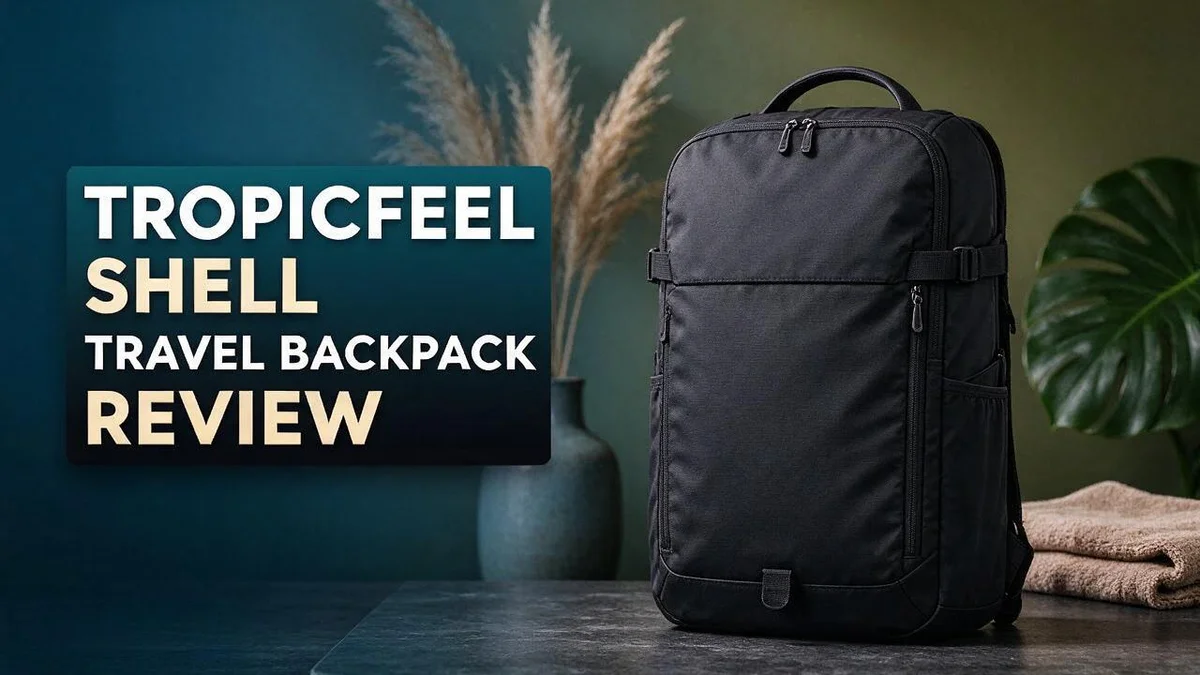
Tropicfeel Shell Travel Backpack Review: Worth It in 2026?
Are you searching for a travel pack that can grow with your trip? The Tropicfeel Shell Travel Backpack might be the answer. It starts compact and expands from 22L to 30L to 40L when you need more room.
Many travelers want one bag for flights, city walks, and daily carry. This pack aims to cover all of those needs. It offers multiple compartments, a hidden inner pocket, and a design marketed as waterproof.
Here is what stands out. Reviewers describe the material as sturdy. The zips and clips feel durable under strain. It also feels light and comfortable.
In a Nutshell
- Three sizes in one: The bag expands from 22L to 30L to 40L, yet it stays compact when you need less room. Packing light and then growing the pack suits many trip styles.
- Marketed as waterproof: The brand promotes this bag as water resistant against rain and spills. Many travelers like having that extra layer of protection for surprise showers.
- Hidden inner compartment: A concealed space helps you store valuables out of sight. It also keeps important items separate from everyday gear.
- Comfort on the move: Reviewers describe the pack as lightweight and comfortable. This matters most when you walk long distances with a full load.
- Seam question: The seams are single stitched, which some reviewers mention as a concern. Even so, reviewers say the seams can be repaired and do not seem likely to fail.
- Handy accessories: Multiple compartments and useful add ons keep small items organized. Daily carry users often find this helpful for keys, cables, and wallets.
Materials and Build Quality

Last update on 2026-11-12 / Affiliate links / Images from Amazon Product Advertising API
Build quality shows up in the small details. A bag can look tough but still fail at the zips or clips. This pack earns good marks for its hardware.
Reviewers say the zips and clips stay durable under strain. That matters when you overfill the bag on a return trip or carry heavy gear all day.
Test the zips before you commit. Run each one slowly along its full length. Smooth movement usually points to well made teeth and solid tracks.
Clips deserve the same attention. Snap each buckle shut and pull firmly on it. A secure click tells you the connection will hold when the bag swings on your shoulder.
Think about the bag when it is fully expanded, too. Stretching a pack to its largest size puts extra tension on the outer shell. Check that the fabric lies flat and the zip line stays straight.
Material choice also affects how the bag feels after hours of use. A firm shell keeps its shape, so the load sits close to your back. That shape helps your posture on long walks through busy streets.
Look at the points where the straps meet the body. These spots carry most of the weight. Good anchor points spread the load evenly, which reduces strain over time.
Daily wear leaves marks on any pack. Dust, rain splashes, and airport floors can dull the finish. A damp cloth usually lifts grime without harm to the fabric.
Inside, the lining matters as much as the outside. A smooth interior helps protect electronics and toiletries from snags and scratches.
Before any trip, load the bag with your usual items. Zip it closed and carry it for a few minutes. This short test reveals pressure points that a store shelf never shows.
Overall, the materials suit frequent travelers. The fabric and hardware work together for steady, dependable use on trips and daily carry.
Expandable Capacity and Organization
Choosing the right setting matters more than most people expect. Pick the smallest setting that fits your plans. A quick overnight trip rarely needs the largest size, and a smaller load feels lighter on your shoulders.
Sort your items into zones before you pack. Put clothes in one area and toiletries in another. Small pouches can help too. This habit keeps the bag from turning into a jumble.
Pack heavier items close to your back. Place dense things like shoes or books near the panel that touches you. This keeps the weight centered and reduces strain during long walks.
Keep daily essentials in the top section. Your wallet, keys, and charger should sit where you can reach them without opening the whole bag. Frequent access saves time at airports and train stations.
Expanding the bag is a flexible choice, not a one-time decision. Many travelers start the day compact, then open the extra space after a shopping stop. Try this at home before a big trip.
Shrinking it back again keeps the shape neat. It also stops loose items from rattling around inside.
Use packing cubes to create extra order. Cubes slide into the main area and keep clothes folded. They also make it easy to find items in a dark hotel room without digging.
Check the bag once everything is inside. Close each section and lift it gently. If it feels unbalanced, shift a few items before you head out the door.
A fuller bag needs a little extra care. Zip the outer compartments all the way so nothing shifts during a bumpy bus ride. Tuck loose straps away so they do not catch on doors or railings.
Good organization makes every trip feel calmer. You spend less time searching and more time enjoying the journey.
Comfort and Portability
Carrying a pack all day tests every feature. This section looks at how the Shell handles real movement, from airport halls to busy city streets.
Carry options matter more than many people expect. A top handle lets you lift the bag quickly onto a counter, into a car, or into an overhead bin.
Check the handles before you buy. A firm grip makes short lifts easier when the bag holds a full load.
Shoulder straps and back panels deserve a closer look too. Stand up with the bag on, then walk a few steps to see how it settles.
Think about the walk, not just the weight. A pack can feel light in the shop but tiring after a long train ride. Try it while you move.
Many airlines set strict size limits for carry on bags. Check your airline’s rules before you fly. The compact setting can help you stay within those limits.
Expansion changes the feel of the bag. A fuller pack sits differently on your back, so test it at the size you plan to use most.
If you carry the bag on a bike or scooter, look at how it sits when you lean forward. A stable pack keeps your balance steady.
Stairs and crowded platforms reveal weak spots fast. Move through them with the bag on and notice any pulling or swinging.
Short walks show the real comfort level. Walk for ten minutes with a loaded bag. Pay attention to pressure points and any shifting.
Finally, plan for changing conditions. Rain, heat, and long days change how a pack feels, so test it in several settings before a big trip.
Top 3 Alternatives
Osprey Farpoint 40

Last update on 2026-11-14 / Affiliate links / Images from Amazon Product Advertising API
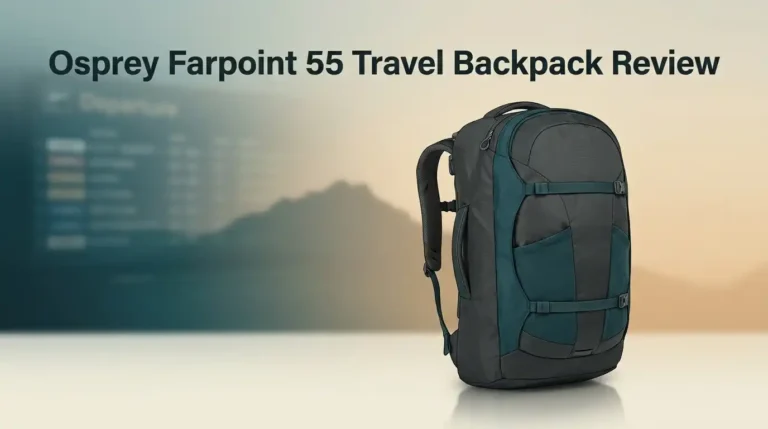
The Osprey Farpoint 40 suits travelers who want a simple and sturdy pack. It opens like a suitcase, so you can see everything at a glance. A zip-off daypack gives you a handy spot for essentials when you explore a new city.
The padded hip belt carries weight well. Many people find it comfortable on long walks.
Peak Design Travel Backpack

Last update on 2026-11-14 / Affiliate links / Images from Amazon Product Advertising API
The Peak Design Travel Backpack looks sleek and works hard. Its flexible dividers help you organize cameras, laptops, and clothing. The fabric also handles light rain, so your gear stays dry on busy days.
Many people like its clean design for both work and weekend trips.
Tortuga Setout Backpack
No products found.
The Tortuga Setout Backpack fits neatly into overhead bins on most flights. A sleeve on the back slides over a rolling suitcase handle. This keeps your bag steady as you move through busy airports.
Its water resistant shell protects your belongings on rainy days. Frequent flyers often choose it for quick trips.
Weather Resistance and Protection
Weather can change fast on any trip. A pack must keep your gear dry when rain arrives without warning. The Tropicfeel Shell is marketed as waterproof, so it sets a strong starting point.
Marketing claims deserve a real test. Spray the bag with a bottle or garden hose at home. Watch the seams, the front panel, and the top closure while you work.
Single stitched seams raise a fair question. Water can slip through needle holes when stitching is not sealed. Reviewers say the seams are repairable, yet they are not seen as a failure risk.
Rain is only half the challenge. Wet gear can leave a damp smell and mold inside a closed pack. Open the bag and let it air dry before you store it.
Dust and sand need attention too. Shake out the main area after a beach or desert day. Grit can wear down coatings and fabric over time.
Electronics need extra care in wet weather. Seal phones, tablets, and chargers in a dry pouch. Keep that pouch in the inner area, away from the outer panels.
Rain covers offer another layer. Bring a lightweight cover for heavy downpours. Pull it on during a storm, then remove it once the sky clears.
Think about where you place the bag too. Avoid leaving it on wet ground or open car floors. Lift it onto a dry bench or a hotel bed instead.
Humidity and heat also matter. Hot cars can warm the fabric and stress the glue in the bag. Keep it in the shade during long days out.
Final check before a trip. Run a quick water test and dry test at home. Note any damp spots, then decide if you need extra protection.
Some trips need stronger protection than others. A rainy city visit needs less care than a monsoon trek. Match your planning to the weather forecast before each trip.
Good habits make the bag last longer. Check the stitching after each rough trip. Small threads can loosen under repeated stress. Fix small issues early, before they grow.
Price and Value for Money
Start by asking how often you will use the bag. A pack that handles weekend trips, daily carry, and longer journeys gets far more use.
The Tropicfeel Shell can serve as a carry on, a day pack, or an everyday bag for errands. One bag can replace several, which keeps your gear simpler.
Look closely at how long the bag can last. Sturdy material and zips that handle strain suggest a long working life. Many travelers keep a pack for years when it holds up to real use.
Repairs also affect lifespan. Reviewers say the single stitched seams can be fixed. A simple stitch repair can extend the life of the bag, so you do not need to replace it at the first sign of wear.
Consider the built in extras too. Useful accessories can save you from buying separate pouches or organizers. Check whether the included parts match the way you pack and move.
The hidden inner compartment gives you a private spot for passports and cards. That small feature can matter more than you expect on busy trips.
Compare the range before you decide. The Tropicfeel Hive, the ProLite, and a Frontier backpack are common alternatives. Look at each one’s features, fit, and build, then pick the model that suits your routine.
Match the bag to your real trips. A pack for city days needs different features than one for remote hikes or airport dashes. Write down your top three uses, then check which model covers them best.
Watch for a few warning signs as well. Loose stitching, stiff zips, or sagging straps mean the bag needs attention. Catch these early and the pack stays in good shape.
In the end, the best choice fits your habits. Think about how the bag performs in your daily life, not just on paper. A pack you enjoy using is the one that truly earns its keep.
Pros and Cons
Pros
- Sturdy build that handles daily strain well
- Lightweight and comfortable for long days out
- Versatile for travel and everyday carry
- Multiple compartments keep gear neatly sorted
- Useful accessories come included
Cons
- Single stitched seams worry some reviewers
- Seams may need a repair over time
- Waterproof claims need a real test in the rain
- Several rival packs offer similar features to compare
Who Should Buy It
This bag suits people who move through a busy day. Commuters who walk between trains, offices, and coffee shops need a pack that stays out of the way. It keeps their hands free and their back comfortable.
Students make another good match. Lectures, library visits, and gym sessions all demand different items. A bag with clear sections helps them stay organized between classes. They also like having a spot for pens and cards.
Frequent flyers also benefit from this pack. They often move from airport lines to hotel rooms and taxi rides. One bag that holds a laptop and a change of clothes saves time at every stop.
Digital nomads who work from different cities need dependable gear. They pack chargers, notebooks, and a laptop every week. A sturdy shell protects those items from bumps and rough handling on the road.
Weekend explorers should also take a look. People who plan short trips often want one bag for everything. They can pack light, carry the bag all day, and skip a second bag.
Not everyone will love this design. Buyers who want a sleek, minimal look may prefer a simpler pack. Anyone who needs padded protection for heavy camera gear should compare other options first.
Parents can use it for school runs and quick outings. It can hold snacks, a water bottle, and a tablet for the kids. Everything stays within easy reach during busy mornings.
Hikers planning rough trails may need more support. This pack works well for daily walks. Heavy loads on steep ground often call for extra structure and a stronger frame.
Remote workers who switch between home and a coffee shop also find it handy. They carry a laptop, a notebook, and a lunch box. They want a bag that fits under a desk.
Final thought: Ask yourself how you spend most days. If your routine matches one of these groups, this bag could fit well in your life.
Final Verdict
The Tropicfeel Shell earns a strong spot on your shortlist. It shifts from a compact 22L bag to a 40L travel pack.
The expansion feature is the real highlight. You can keep the pack slim for a quick city trip. Then you can open it up for a longer journey.
Before you choose a size, look at your usual week. Count how many days you carry a bag. Then think about how much gear you pack. This simple check shows which setting suits you best.
Pack the heavy items close to your back. This keeps the load steady on crowded trains. Your shoulders will thank you after a long day.
Think about the time you save, too. When every item has a clear place, you spend less time digging through your bag. That small win adds up on busy travel days.
Test the bag before a big trip. Fill it with your normal gear. Walk around your home for a while. Check how the straps feel after an hour, and adjust them as needed.
Seam concerns deserve a simple plan. Keep a repair shop name in your notes. Ask about stitching fixes early. Quick care keeps small issues from growing.
Who should buy it? People who want one flexible pack for travel and daily life will likely be happy. Hardcore hikers and people who carry very heavy loads may want a different style.
Our overall view is positive. The Tropicfeel Shell offers strong versatility and useful design details. Read the product details below and pick the size that fits your routine.
Frequently Asked Questions
Can I use this bag as a cabin bag?
Yes, it can work as a cabin bag when you keep it at its smallest size. Always check your airline’s size limits before you fly, since an expanded pack may go over the allowance.
Does it fit a standard laptop?
Most standard laptops fit in the main section. Place the device against the back panel for a snug fit. Measure your laptop first, because thick models may need extra room.
How should I care for the bag?
Wipe off dirt with a damp cloth. Let the bag air dry away from direct heat. Check the seams every few months so small loose threads never turn into bigger tears.
Is it a good pick for a first trip abroad?
It suits a first trip abroad well. Store passports in the hidden pocket and keep chargers in the smaller sections. Pack light layers, since you will likely walk a lot in a new city.
How does it compare with the Tropicfeel Hive or ProLite?
Each model fits a different travel style. Look at your usual load, the number of pockets you need, and how often you change size. A quick side by side check with the Hive or ProLite helps you choose the best fit.

Hi, I’m Luna Beck — the founder and voice behind Urban Pack Vault. I’m passionate about helping people find bags that perfectly match their lifestyle. From backpacks to travel luggage, I research, review, and recommend so you never have to second-guess your next purchase.