Why Is My Backpack Lining Peeling Off?
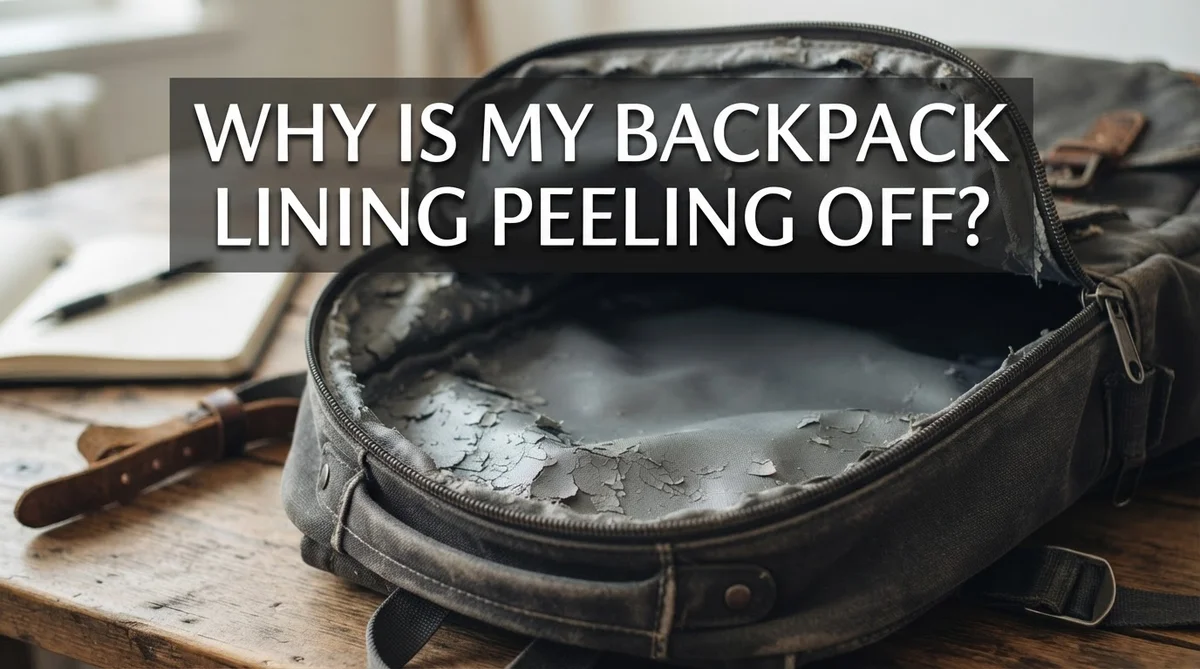
Have you ever opened your backpack to find sticky, flaky bits coming off the inside? It feels strange and even a little worrying. But don’t panic. This is a common problem, and it has a name.
It’s called delamination. This happens when the waterproof coating inside your bag separates from the fabric. The lining isn’t actually broken. It’s just losing its protective layer over time.
Many backpack owners notice this issue after months or years of use. Sometimes cleaning makes it worse. Other times, it just happens naturally as materials age.
In a Nutshell
- Delamination is the real cause. The waterproof coating separates from the nylon fabric over time. This is a natural aging process, not a sign of a defective bag.
- Cleaning doesn’t cause it alone. Washing your backpack may speed up the process, but it isn’t the root cause. Aggressive scrubbing can make things worse though.
- You can fix it at home. Scrape off loose bits first. Then use isopropyl alcohol to dissolve leftover residue.
- Silicone sealant works wonders. Apply 100% clear silicone caulk under the peeling spots. Let it dry completely before use.
- A topcoat adds extra protection. Once the sealant dries, add a thin layer on top. This helps the repair last longer.
- Storage matters most for prevention. Always store your backpack clean and completely dry. Damp or dirty storage speeds up coating breakdown significantly.
What Causes Backpack Lining to Peel
The lining of your backpack peels because of delamination. This happens when the waterproof coating that sits on top of the nylon fabric starts to separate and break down.
Think of it like this: manufacturers apply a protective layer to nylon to make it waterproof. Over time, this coating loses its grip on the fabric underneath. The bond weakens, and pieces start to flake off.
Moisture plays a big role here. When your backpack stays damp or you store it in humid conditions, the coating deteriorates faster. Water seeps between the layers and causes them to separate. This is why storage conditions matter so much for prevention.
Age also contributes to peeling. Backpack linings aren’t designed to last forever. After several years of regular use, the coating naturally degrades. This is a normal part of wear and tear, not a sign of poor quality.
Cleaning can speed up the process, but it doesn’t cause peeling on its own. Aggressive scrubbing or using harsh chemicals may accelerate coating breakdown. However, a backpack with proper storage rarely develops this issue, even with regular cleaning.
Temperature changes affect the lining too. When your backpack moves between hot and cold environments, the materials expand and contract. This constant movement stresses the bond between the coating and nylon, making separation more likely.
Dirt and debris trapped inside also create problems. When grime sits against the lining, it can weaken the coating’s grip on the fabric. This is why keeping your backpack clean and dry inside is essential.
The good news is that delamination is fixable. Once you understand what causes it, you can take steps to repair existing damage and prevent future peeling. Simple maintenance and proper storage stop this issue before it becomes a real headache.
Understanding Delamination: The Science Behind the Peel
Delamination sounds technical, but it’s really just a simple breakdown of glue and coating. Your backpack’s manufacturer bonds a waterproof layer to the nylon fabric inside using adhesive. Over time, this bond weakens and separates from the material underneath.
The coating breaks down through natural wear and tear. Every time you use your backpack, the lining flexes and bends. This constant movement stresses the adhesive layer. Eventually, tiny cracks form in the waterproof coating, and pieces start to peel away.
Moisture speeds up this process significantly. When water gets trapped inside your backpack, it seeps between the nylon and the waterproof layer. The adhesive softens when wet, making separation happen faster. This is why storing a damp backpack causes problems.
Heat and humidity also play a role. Warm, moist air creates the perfect conditions for adhesive breakdown. If you live in a humid climate or store your backpack in a warm closet, delamination happens more quickly than in dry, cool environments.
Chemical reactions occur too. The adhesive isn’t designed to last forever. It gradually loses its strength as months and years pass. This is why older backpacks peel more often than newer ones, even with identical storage conditions.
Here’s what’s important to understand: delamination is a natural process, not a defect. Manufacturers know this will eventually happen. It’s not a sign you bought a bad backpack. It simply means the materials have aged.
The good news is that you can slow down delamination significantly. Keeping your backpack dry and clean makes the biggest difference. Store it in a cool, dry place away from direct sunlight. These simple steps extend the life of your lining and delay peeling by years.
Does Cleaning Make Peeling Worse?
Cleaning your backpack doesn’t directly cause peeling. However, aggressive washing can speed up the process. Let me explain what actually happens.
When you clean your backpack, you’re not creating the problem. The waterproof coating was already breaking down from moisture, heat, and normal use. Cleaning accelerates this breakdown because water and friction weaken the bond between the nylon and the coating.
Think of it this way. The coating sits on top of your nylon lining like glue. Every time water touches it during cleaning, the glue gets softer. Scrubbing hard makes this worse. So yes, cleaning can make peeling happen faster, but only if the coating was already degrading.
Here’s the key difference. Gentle cleaning with mild soap and cool water won’t cause major damage. Aggressive scrubbing with hot water or harsh chemicals will definitely speed up peeling. If you must clean your backpack, use soft motions and avoid intense scrubbing near existing weak spots.
The real culprit is storage conditions. Damp backpacks stored in humid spaces peel much faster than clean ones kept dry. A dirty backpack that stays dry will last longer than a clean one stored wet.
This means you face a choice. You can keep your backpack clean but risk faster peeling from the cleaning process itself. Or you can skip cleaning and store it dry. Most experts recommend a middle ground: clean your backpack gently when needed, then dry it completely before storage.
The bottom line is simple. Cleaning does make peeling worse, but only when done harshly or when the backpack isn’t dried afterward. Use gentle methods and proper drying, and you’ll minimize damage while keeping your gear clean.
Step-by-Step: How to Repair a Peeling Backpack Lining
Start by examining the peeling area closely. Gently lift the lining to see how much coating has separated from the nylon fabric underneath.
Use a plastic scraper or old credit card to carefully remove any loose coating. Work slowly and avoid puncturing the nylon layer beneath. The goal is to clean away debris without damaging the backpack itself.
Once you’ve scraped away loose material, use isopropyl alcohol on a cloth to dissolve any remaining residue. Wipe the area thoroughly and let it dry completely. This step ensures the surface is clean and ready for repair.
Apply a thin layer of 100% clear silicone sealant into the gap between the lining and nylon. Use a caulking gun for better control. Work the sealant into the peeling area carefully, filling all the gaps where the coating has separated.
Allow the sealant to cure fully according to the product instructions. This typically takes 24 hours. Resist the urge to use your backpack during this time.
Once dry, add a thin topcoat layer over the repair. This extra protection helps seal the area and prevents water from entering. Some people thin the silicone slightly with mineral spirits for easier application, but this is optional.
Test the repair by gently flexing the lining. It should feel solid and not peel further. If you notice any spots still lifting, repeat the process on those areas.
The repair won’t be invisible, but it will be functional and durable. Your backpack will regain its waterproof protection in the repaired section. This simple process extends your backpack’s life significantly and costs very little. Most repairs hold up well through regular use for several years.
How to Properly Store Your Backpack to Prevent Peeling
Proper storage makes a real difference in preventing your backpack lining from peeling. The key is keeping your bag clean and completely dry before you put it away.
Start with a clean backpack. Remove all items and shake out loose debris. Wipe the interior with a dry cloth to eliminate dust and dirt. Any moisture trapped inside accelerates the breakdown of the waterproof coating, so make sure every surface feels dry to the touch.
Choose a cool, dry storage location. Avoid basements, attics, or areas with temperature swings. Heat and humidity speed up delamination significantly. A closet or shelf in your bedroom works well because conditions stay stable year round.
Store your backpack in an upright position or lay it flat. Never store it while damp or stuffed with items. Compression puts stress on the lining and coating, especially when moisture is present.
Keep your backpack away from direct sunlight. UV rays can break down the protective coating faster than you might expect. A dark closet or storage box offers better protection than a sunny window.
Avoid plastic bags or airtight containers. These trap moisture and create humid conditions that damage the lining. Use breathable storage instead, like a cloth bag or open shelf space.
Check on your backpack occasionally during storage. If you notice any moisture or smell, remove it immediately and let it air dry completely.
Don’t store your backpack with heavy items on top of it. Weight compresses the material and stresses the bond between the lining and outer fabric. This pressure can accelerate peeling, especially in areas that already show wear.
These storage habits work together to prevent the waterproof coating from separating. Proper storage is actually your strongest defense against delamination. It costs nothing and requires only a few minutes of attention before you put your backpack away.
Common Mistakes That Speed Up Lining Breakdown
Your backpack lining peels faster when you make certain storage and care mistakes. Understanding these errors helps you protect your bag from premature damage.
Storing your backpack while damp is the biggest mistake you can make. Moisture trapped inside creates the perfect environment for the waterproof coating to separate from the nylon. Even small amounts of dampness cause problems over time. Always let your backpack dry completely before storing it away.
Dirt and debris left inside your bag also accelerate peeling. When you store a dirty backpack, particles and grime sit against the lining. This combination of moisture and dirt weakens the coating bond. Clean your bag thoroughly and ensure it’s completely empty before putting it away.
Aggressive scrubbing during cleaning speeds up breakdown too. While normal cleaning doesn’t cause peeling, rough scrubbing with hard brushes can damage the waterproof coating. Use soft cloths and gentle motions instead. Harsh chemicals also harm the coating, so stick with mild soap and water.
Storing your backpack in humid environments creates ongoing problems. Bathrooms, basements, and garages with moisture in the air damage the lining continuously. Choose a cool, dry closet or shelf away from temperature swings.
Keeping your backpack in plastic bags or sealed containers traps moisture inside. These airtight spaces create humid conditions that encourage delamination. Let your bag breathe in open storage instead.
Heavy items stacked on top of your backpack also cause problems. Weight pressing down on the lining stresses the coating and weakens its bond to the nylon. Store your bag in an upright position or lay it flat without anything on top.
The common thread in all these mistakes is moisture combined with poor storage conditions. Fix these habits now, and your backpack lining will last much longer. Prevention is always easier than repair.
Troubleshooting: When Peeling Keeps Coming Back
Sometimes the peeling comes back even after you fix it once. This happens because the underlying cause wasn’t fully addressed. Understanding why this occurs helps you stop the cycle.
Repeated peeling usually means moisture is still getting inside your backpack. Even small amounts of humidity can restart the delamination process. The waterproof coating separates again because water vapor continues to weaken the bond between the lining and nylon.
Check your storage environment first. Is your backpack stored in a damp basement, bathroom, or garage? These spaces have high humidity levels that damage the coating repeatedly. Move your backpack to a dry room with good air circulation instead.
The repair itself might not be holding properly if you’re seeing peeling return to the same spot. This could mean the silicone sealant wasn’t applied deeply enough into the gap. You may need to scrape away the previous repair and start fresh with a more generous application.
Another common reason for repeat peeling is that you’re using your backpack before the sealant fully cures. The coating needs time to set completely before flexing or pressure is applied. Rushing this step weakens the bond and causes failure quickly.
Inspect the entire lining, not just the visible peeling area. Sometimes multiple sections are starting to separate, but only one is obvious. Addressing all weak spots at once prevents you from fixing one area while another begins failing.
Consider your cleaning routine too. If you’re washing your backpack frequently in humid conditions, the moisture may be overwhelming your repairs. Allow extra drying time between uses and store the bag in the driest location possible.
The key is combining a solid repair with improved storage conditions. Without both elements working together, peeling will likely return within weeks or months.
Final Thoughts
Backpack lining peels because coatings break down over time. This happens naturally as materials age. It also happens faster with poor care habits.
The good news is this problem has a clear solution. You can fix peeling lining with simple tools. Silicone sealant works well for most repairs.
Start by scraping away loose coating pieces. Clean the area with isopropyl alcohol first. This removes residue and prepares the surface properly.
Apply 100% clear silicone sealant under the peeling section. Let it dry completely before use. Add a thin topcoat for extra protection.
Some people thin silicone with mineral spirits. This creates a smoother, more even coat. It also helps the sealant spread into small cracks.
Prevention matters just as much as repair. Always store your backpack clean and dry. Moisture and dirt speed up delamination significantly.
Think of lining care as ongoing maintenance. You cannot stop coating breakdown forever. But you can slow it down a lot.
Regular checks help you catch problems early. Small peeling spots are easier to fix than large ones. Address issues before they spread further.
Your backpack can last many more years with proper care. The lining might need touch ups occasionally. This is normal and expected over time.
Remember these key points:
– Delamination is a natural process, not a defect
– Silicone sealant offers a reliable fix
– Dry storage prevents most peeling issues
– Regular inspection catches problems early
Taking action now saves you money later. A quick repair today prevents bigger problems tomorrow. Your backpack deserves this small investment of time.
With the right care routine, you can enjoy your backpack for many seasons ahead. Simple habits make a big difference in how long the lining lasts.
Frequently Asked Questions
Is backpack lining peeling a sign my bag is broken?
No. Backpack lining peeling is normal coating degradation, not a defect. The waterproof coating on nylon naturally breaks down over time. This process happens to most backpacks eventually, especially if exposed to moisture or stored improperly.
The good news is that peeling is completely fixable. You don’t need to replace your entire backpack.
Can I prevent lining from peeling in the first place?
Yes, prevention is possible. The main strategy is keeping your backpack clean and completely dry at all times. Store it in a cool, dry place with good air circulation.
Avoid storing your bag while damp or dirty. Don’t keep it in plastic bags or sealed containers, as trapped moisture accelerates peeling. These simple steps reduce premature delamination significantly.
What should I do if peeling comes back after I repair it?
Repeat peeling usually means moisture is still entering your backpack. Check your storage environment first. Make sure you’re not storing it in humid areas or before it’s fully dry.
Also inspect the entire lining, not just the visible peeling spot. Sometimes damage spreads to other areas. Give the sealant repair plenty of time to cure before using your backpack again.
Why does cleaning sometimes make peeling worse?
Aggressive scrubbing during cleaning can speed up coating breakdown. Rough handling damages the protective layer faster. Normal, gentle cleaning is fine, but avoid harsh scrubbing motions on the lining.
Use soft cloths and mild methods instead. This protects the coating while keeping your bag clean.

Hi, I’m Luna Beck — the founder and voice behind Urban Pack Vault. I’m passionate about helping people find bags that perfectly match their lifestyle. From backpacks to travel luggage, I research, review, and recommend so you never have to second-guess your next purchase.