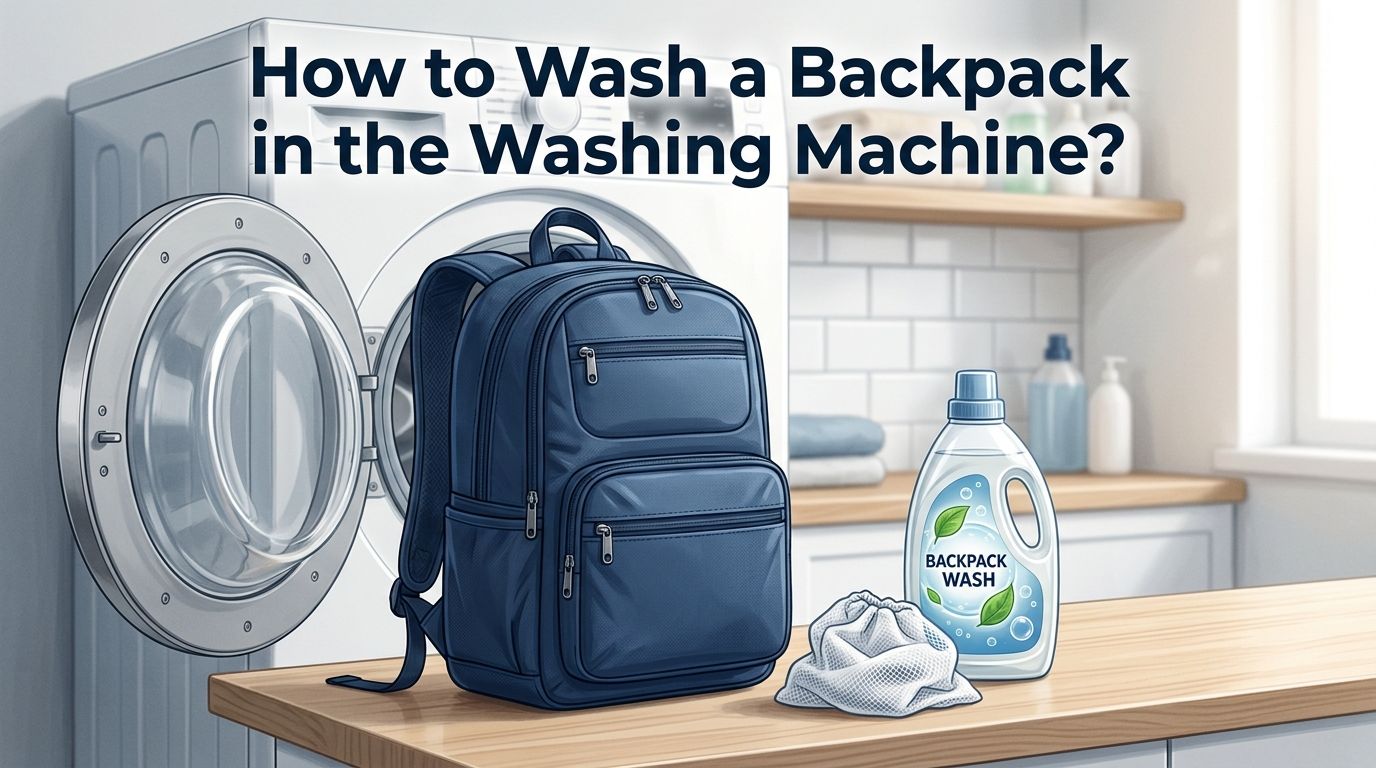
How to Wash a Backpack in the Washing Machine?
Your backpack goes everywhere with you. It rides the subway, sits on dirty floors, holds leaky lunches, and collects months of dust and crumbs. Over time, that daily wear shows up as stains, odors, and grime that a quick wipe just cannot fix.
The good news? Most backpacks made of nylon, polyester, or canvas can be safely washed in a washing machine if you follow the right steps. The bad news? Doing it wrong can ruin zippers, strip waterproof coatings, and weaken seams permanently.
This guide walks you through every step of machine washing a backpack, from checking the care label to drying it properly.
In a Nutshell
- Always check the care label first. This small tag inside your backpack tells you whether machine washing is safe. If the label says hand wash only, do not put it in the machine. Ignoring this step can cause permanent damage to the fabric, coatings, or structural elements of your bag.
- Use a gentle cycle with cold water and mild detergent. Hot water can cause colors to bleed and weaken certain fabrics like nylon. A gentle or delicate cycle reduces the mechanical stress on zippers, buckles, and seams. Stick with a fragrance free, additive free detergent to avoid residue buildup.
- Place the backpack inside a mesh laundry bag or old pillowcase. This prevents straps and zippers from getting tangled in the drum or caught on the agitator. It also reduces direct friction on the fabric, which helps the backpack keep its shape and finish.
- Never put a backpack in the dryer. The concentrated heat from a dryer can melt adhesives, warp plastic buckles, shrink fabric, and destroy waterproof coatings. Always air dry your backpack by hanging it upside down in a well ventilated area.
- Spot treat stains before the wash cycle. Pre treating visible stains with a small amount of detergent and a soft brush gives the machine wash a head start. Ground in dirt, ink marks, and food spills respond much better when they are loosened before the main cycle.
- Machine washing works best for basic nylon, polyester, and canvas backpacks. Leather bags, hiking packs with internal frames, and bags with delicate embellishments like embroidery or iron on patches should be hand washed instead.
Check the Care Label Before You Start
The care label is your first and most important stop. You will usually find it inside the main compartment or in a smaller pocket.
This label tells you what water temperature is safe, whether machine washing is allowed, and if any special instructions apply. If the label says “hand wash only” or “spot clean only,” do not machine wash the backpack.
Some backpacks do not have a care label at all. In this case, consider the material. Plain nylon and polyester bags are generally safe for machine washing.
Leather, waxed canvas, or bags with special coatings like DWR (durable water repellent) finishes should be hand washed. If you are unsure, test a small hidden area with a drop of mild detergent to check for color fading or fabric damage.
Skipping this step is the most common reason people ruin their backpacks in the wash. A two minute label check can save you from an expensive replacement.
Which Backpack Materials Are Machine Washable
Not every backpack can survive a trip through the washing machine. The material determines whether your bag comes out clean or comes out damaged. Nylon, polyester, and uncoated canvas are the three most common machine safe fabrics. These materials handle cold water and gentle agitation without losing their shape or strength.
Polyester is the most forgiving fabric for machine washing. It resists shrinking, holds its color well, and dries quickly. Nylon is also safe but can lose durability if exposed to hot water repeatedly. Canvas bags wash well too, though they may take longer to dry because the fabric absorbs more water.
Pros of machine washing safe materials: Quick, convenient, effective at removing deep set odors and stains.
Cons: Even safe materials can degrade over many wash cycles. Waterproof coatings may thin out over time.
Avoid machine washing leather, suede, vinyl with decorative finishes, or any backpack with a rigid internal frame. These materials and structures cannot handle the tumbling and water exposure inside a machine.
Empty and Prepare Your Backpack
This step sounds obvious, but it matters more than you might think. Start by opening every single pocket and compartment. Remove all contents, including forgotten pens, gum wrappers, coins, and crumbs. Even a small paper clip left inside can scratch fabric or jam a zipper during the wash.
Shake the backpack upside down over a trash can to remove loose debris. Use a handheld vacuum or the crevice attachment on your regular vacuum to clean out seams and corners. These areas trap dirt that shaking alone will not reach.
Remove any detachable parts like hip belts, sternum straps, or removable pouches. These can be washed separately by hand or in the same load if they are made of the same material. Leaving them attached increases the risk of tangling and puts stress on attachment points during the spin cycle.
Finally, cut any loose threads near zippers or seams. Loose threads can catch in the machine and unravel further, causing visible damage to your bag.
Pre Treat Stains Before the Wash
Machine washing alone does not always remove set in stains. A few minutes of pre treatment makes a big difference, especially for ink marks, food spills, grease spots, and ground in dirt. Pre treating these areas gives you a much better result after the wash cycle.
Mix about a teaspoon of mild liquid detergent with lukewarm water. Apply this mixture directly to the stained area using a soft bristled brush, like an old toothbrush. Gently scrub in small circular motions. Do not use bleach, harsh stain removers, or dishwashing liquid. These products can discolor the fabric or break down protective coatings.
For stubborn odors, sprinkle baking soda inside the backpack and let it sit for 15 to 30 minutes before brushing it out. Baking soda absorbs smells without leaving any chemical residue.
Pros of pre treatment: Dramatically improves stain removal results and reduces the need for repeat washes.
Cons: Adds extra time to the process and requires gentle products to avoid fabric damage.
Use a Mesh Laundry Bag or Pillowcase
This step is critical for protecting both your backpack and your washing machine. Place the backpack inside a large mesh laundry bag before putting it in the drum. If you do not have a mesh bag, an old pillowcase works as a decent substitute. Just tie the open end shut with a rubber band or knot.
The laundry bag serves several purposes. It keeps straps and buckles from wrapping around the agitator or drum paddles. It prevents metal zippers from scratching the inside of the machine. It also reduces direct friction on the backpack fabric, which helps preserve any water resistant coating that may still be intact.
Before placing the bag inside, make sure all zippers on the backpack are open. This allows water and detergent to flow freely through every compartment. Closed zippers can trap dirty water inside pockets, leaving some areas unwashed while others get thoroughly cleaned.
If your backpack is large, wash it alone or with just a couple of towels for balance. An unbalanced load can cause the machine to vibrate excessively or stop mid cycle.
Choose the Right Washing Machine Settings
Your washing machine settings matter more than the detergent you use. Select the gentle or delicate cycle with cold water. This combination provides enough agitation to remove dirt without putting excessive stress on fabric, seams, and hardware.
Cold water is essential. Hot water can cause colors to bleed, shrink certain fabrics, and weaken the bond between laminated layers. Even warm water can strain nylon over repeated washes. Cold water cleans effectively when paired with the right detergent and a proper pre treatment step.
Use a small amount of mild, fragrance free, additive free liquid detergent. Fill only to the first line of the detergent cap. Powder detergents can leave white residue in zippers and seams that is difficult to rinse out. Avoid fabric softener entirely. Fabric softener leaves a coating on fabric that can reduce breathability and trap odors in future use.
Pros of gentle cycle with cold water: Protects fabric integrity, prevents color fading, and preserves waterproof coatings.
Cons: May not remove extremely heavy soil in a single wash. A second rinse cycle may be needed for thorough cleaning.
If your machine has an extra rinse option, select it. Residual detergent left in the fabric can attract dirt faster after the wash, making your backpack get dirty again sooner.
Top Loader vs Front Loader: Which Is Better
The type of washing machine you use affects how safely your backpack gets cleaned. Front loading machines are generally better for washing backpacks. They use a tumbling action that is gentler on bulky items compared to the twisting motion of top loaders with center agitators.
A top loader with a center post agitator poses the biggest risk. Straps and buckles can wrap around the agitator and pull apart at the seams. If you only have a top loader with an agitator, using a mesh laundry bag becomes even more important. Some newer top loaders without agitators (impeller models) work almost as well as front loaders for this purpose.
Pros of front loaders: Gentler tumbling action, better water efficiency, less risk of strap tangling.
Cons of front loaders: Longer cycle times, and the backpack may sit in water longer during the wash.
Pros of top loaders without agitators: Widely available, faster cycle times, adequate for basic backpacks.
Cons of top loaders with agitators: High risk of tangling and physical damage to straps and zippers.
Regardless of machine type, always wash the backpack on the gentlest available cycle and avoid spinning at high speed.
How to Properly Dry Your Backpack After Washing
Drying is where most people make the biggest mistake. Never put your backpack in the dryer. The concentrated heat can melt glue that holds seams and labels together, warp plastic buckles, shrink fabric, and permanently destroy waterproof coatings. Even a low heat setting is risky.
Instead, remove the backpack from the machine immediately after the cycle ends. Gently press out excess water with a clean, dry towel. Do not wring or twist the fabric, as this can stretch it out of shape and damage internal stitching.
Hang the backpack upside down in a well ventilated area. Open all zippers and pockets so air can circulate through every compartment. A clothesline, shower rod, or sturdy hanger all work well. If possible, place it outdoors in the shade. Direct sunlight can fade colors over time, especially on darker fabrics.
Drying typically takes 24 to 48 hours depending on the material and humidity. Stuff clean towels or crumpled newspaper inside the compartments to absorb moisture faster and help the backpack hold its shape while drying. Replace the towels or paper once they feel damp.
When to Hand Wash Instead of Machine Wash
Machine washing is convenient, but it is not always the safest choice. Hand washing is better for leather bags, hiking packs, bags with rigid frames, and backpacks with delicate decorations like embroidery, iron on patches, or screen printed designs.
Hiking and outdoor backpacks often have DWR (durable water repellent) coatings and specialized fabrics that break down with machine agitation. Major outdoor gear brands like REI specifically advise against machine washing any hiking pack. The tumbling action can strip protective finishes and weaken seam tape that keeps the bag waterproof.
To hand wash, fill a bathtub or large basin with lukewarm water and a tablespoon of mild detergent. Submerge the backpack and use a soft sponge to gently scrub the inside and outside. Rinse thoroughly with clean water until all soap is gone. Then follow the same air drying process described above.
Pros of hand washing: Gentler on all materials, preserves coatings and decorations, gives you full control over pressure and scrubbing.
Cons of hand washing: Takes more time and physical effort, may not remove deep set odors as effectively as a machine.
How Often Should You Wash Your Backpack
Most people wait far too long to clean their backpacks. A good rule of thumb is to deep clean your backpack once or twice per year. If you use your bag daily or carry food and gym clothes in it, you may want to wash it every two to three months.
Between deep washes, quick spot cleaning goes a long way. Wipe down the interior with a damp cloth every few weeks. Shake out crumbs and debris regularly. Treat visible stains as soon as they happen rather than letting them set in.
Odor is the clearest sign that your backpack needs a wash. If the bag smells even after you have removed all contents, bacteria and mildew have likely started growing in the fabric. A prompt wash will stop this before it becomes a permanent problem.
Over washing can also cause issues. Repeated machine cycles gradually thin out fabric, weaken zippers, and reduce the effectiveness of water resistant treatments. Strike a balance between keeping your bag clean and preserving its structure for long term use.
Common Mistakes to Avoid
Even with the right steps, a few errors can undo your effort. Here are the most frequent ones and how to avoid them.
Using hot water is the top mistake. Hot water damages nylon, causes color bleeding, and weakens adhesives. Always use cold water. Overloading detergent is another common issue. Too much soap leaves residue that attracts dirt faster and can irritate skin if the backpack touches bare shoulders.
Forgetting to remove all contents is a surprisingly common error. A forgotten pen can burst and stain the entire bag. A leftover snack wrapper can melt or clog the machine drain. Always double check every pocket.
Skipping the laundry bag leads to tangled straps and scratched drum interiors. Using the dryer, even on low heat, is a guaranteed way to damage buckles and coatings. Closing zippers before the wash prevents water from reaching inside pockets, leaving them dirty.
Washing too frequently wears out the bag faster than normal use does. Stick to the recommended schedule and rely on spot cleaning between washes to maintain freshness without causing unnecessary wear.
Restoring Your Backpack After Washing
After a good wash and full air dry, your backpack may need a little extra attention to look and perform its best. If the fabric feels stiff, gently flex and knead it with your hands to restore softness. This is common with canvas bags and usually resolves within a day of normal use.
Check all zippers after the wash. Run each one open and closed a few times to make sure they move smoothly. If a zipper feels sticky, rub a small amount of beeswax or a graphite pencil along the teeth. This lubricates the track without leaving a greasy residue.
If your backpack previously had a water resistant finish and the wash stripped some of it away, you can reapply a spray on DWR treatment once the bag is completely dry. Follow the instructions on the waterproofing product carefully. Most require you to spray evenly across the fabric and let it cure for several hours.
Inspect seams and stitching for any loosening caused by the wash. Small issues are easy to fix with a needle and thread now but can become bigger problems if ignored. A quick post wash check keeps your backpack in great condition for months to come.
FAQs
Can I wash my backpack with other clothes in the washing machine?
It is best to wash your backpack alone or with a couple of towels for balance. Washing it with regular clothes can cause buckles and zippers to snag on delicate fabrics. The towels also help cushion the backpack during the spin cycle and prevent excessive banging inside the drum.
Can I use bleach to wash a stained backpack?
No, you should avoid bleach. Bleach can discolor fabric, weaken fibers, and strip away waterproof coatings. Stick with a mild, fragrance free liquid detergent. For tough stains, pre treat them with a baking soda paste or a small amount of detergent applied directly with a soft brush.
How long does it take for a backpack to air dry completely?
Most backpacks take 24 to 48 hours to dry fully. Thicker materials like canvas may take longer. You can speed up the process by hanging the bag in a breezy area, opening all pockets, and stuffing compartments with dry towels or crumpled newspaper to absorb moisture from the inside.
What if my backpack does not have a care label?
If there is no care label, identify the material. Nylon, polyester, and plain cotton canvas are generally safe for a gentle machine wash in cold water. Leather, waxed canvas, or bags with special finishes should be hand washed. Test a hidden area with a small amount of detergent before committing to a full wash.
Will machine washing ruin the waterproofing on my backpack?
Machine washing can reduce the effectiveness of waterproof coatings over time, especially DWR finishes. A single gentle wash usually will not cause major damage, but repeated cycles will thin the coating. After washing, you can restore water resistance by applying a spray on DWR product once the backpack is fully dry.
Can I wash a backpack in a top loading washing machine?
Yes, but you need extra caution. Top loaders with center agitators can tangle straps and damage zippers. Always place the backpack in a mesh laundry bag, use the gentlest cycle available, and select cold water. Top loaders without agitators (impeller models) are safer and work more like front loaders for bulky items.

Hi, I’m Luna Beck — the founder and voice behind Urban Pack Vault. I’m passionate about helping people find bags that perfectly match their lifestyle. From backpacks to travel luggage, I research, review, and recommend so you never have to second-guess your next purchase.