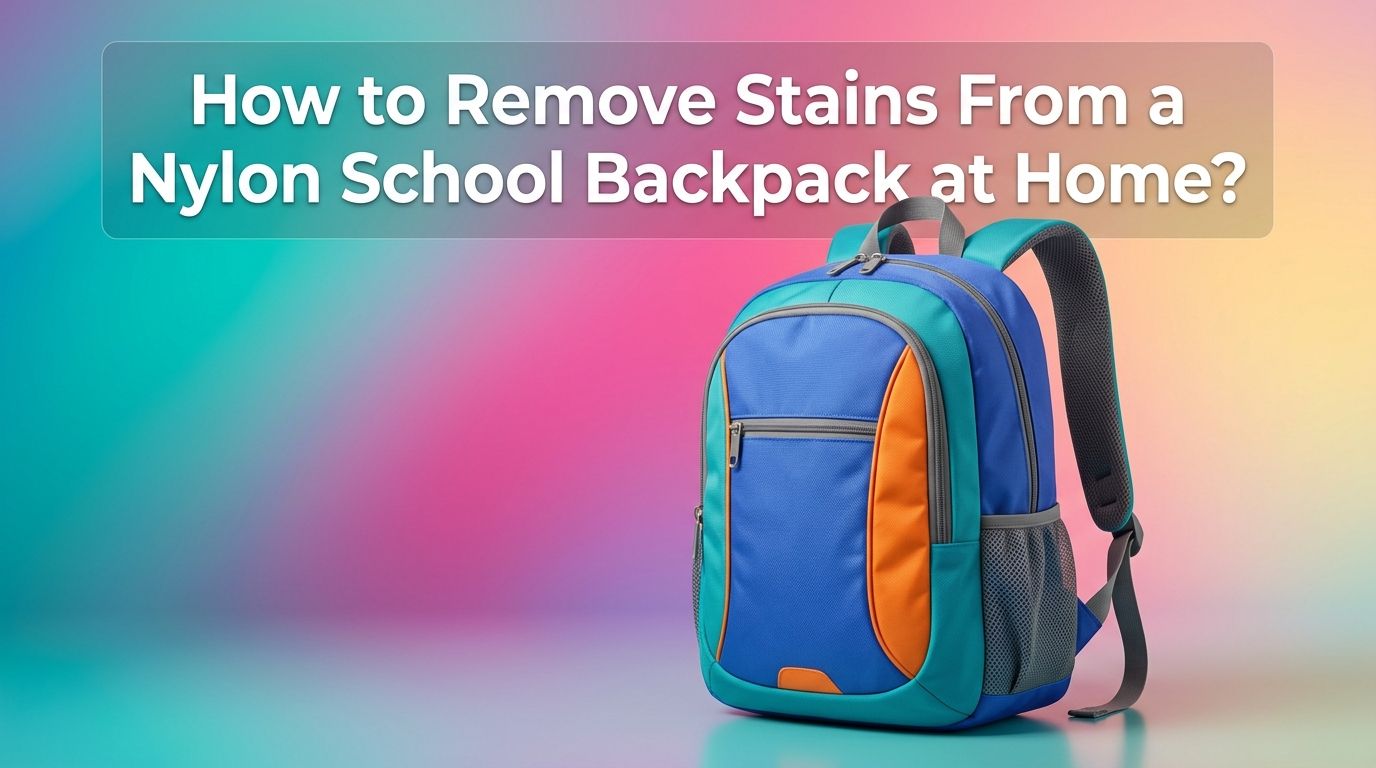
How to Remove Stains From a Nylon School Backpack at Home?
Your kid’s nylon school backpack has seen better days. Juice spills, ink marks, food smears, and mystery stains have turned it into a colorful mess. You want to fix it, but you’re not sure how.
The good news? You probably already have everything you need in your kitchen or bathroom cabinet. Nylon is one of the most durable and forgiving fabrics for backpacks.
It responds well to simple cleaning methods and can bounce back from even the toughest stains. This guide will walk you through proven, practical solutions to remove every type of stain from a nylon school backpack.
In a Nutshell
- Identify the stain type first. Different stains respond to different treatments. Grease stains need dish soap, ink stains need rubbing alcohol, and food stains need baking soda paste. Knowing what caused the stain saves you time and prevents you from using the wrong method.
- Always spot test before full cleaning. Apply your chosen cleaning solution to a small, hidden area of the backpack first. Wait 10 minutes and check for discoloration or damage. This step protects your backpack from accidental bleaching or fabric weakening.
- Hand washing works better than machine washing for most stains. A soft brush, warm water, and mild detergent give you more control. You can focus directly on stained areas without putting the entire bag through unnecessary stress.
- Baking soda is your best friend for general stains and odors. A paste made of baking soda and water lifts surface stains, absorbs grease, and removes bad smells. It is gentle on nylon and does not damage coatings or waterproof layers.
- Air dry the backpack completely after every cleaning. Never use a dryer or direct heat source. Hang the backpack upside down in a well ventilated area. Trapped moisture leads to mold, mildew, and unpleasant smells that are harder to fix than the original stain.
- Act fast on fresh stains for the best results. The sooner you treat a stain, the easier it comes out. Blot fresh spills immediately with a clean cloth. Avoid rubbing, which pushes the stain deeper into the fabric.
Why Nylon Backpacks Stain So Easily
Nylon is a synthetic fabric made from plastic polymers. It is strong, lightweight, and water resistant. However, its tightly woven fibers can trap pigments from food, ink, and dirt once they settle in.
School backpacks face constant abuse. Kids toss them on dirty floors, stuff food containers inside, and throw pens in without caps. These daily habits create a perfect environment for stains to build up.
The surface coating on many nylon backpacks can also make stains look worse. Dirt and grime sit on top of the coating and spread across the surface. This makes a small stain appear much larger than it really is.
Gather Your Cleaning Supplies Before You Start
Preparation makes the entire process faster and smoother. You don’t need anything fancy. Pull together these common household items before you begin.
You will need a soft bristled brush (an old toothbrush works perfectly), clean white cloths, a small bowl, lukewarm water, and mild dish soap. For tougher stains, grab baking soda, white vinegar, or rubbing alcohol.
Keep a dry towel nearby for blotting. A spray bottle can also help you apply solutions evenly. Having everything within arm’s reach means you won’t have to stop mid process and risk letting the stain set further.
How to Remove Food and Drink Stains
Food and drink stains are the most common problem on school backpacks. Juice boxes leak. Lunch containers pop open. Snacks crumble into every pocket.
Start by scraping off any solid food residue with a blunt knife or spoon. Then mix one teaspoon of mild dish soap with two cups of lukewarm water. Dip a clean cloth into the solution and blot the stained area. Work from the outside edges of the stain inward to prevent spreading.
For dried food stains, make a thick paste using baking soda and a few drops of water. Apply the paste directly to the stain and let it sit for 15 to 20 minutes. Scrub gently with a soft brush, then wipe clean with a damp cloth.
Pros: Dish soap and baking soda are safe, cheap, and effective on most food stains. They do not damage nylon fabric or strip waterproof coatings.
Cons: Heavily set or colored stains from items like curry or tomato sauce may need repeated treatments. One pass may not be enough.
How to Remove Ink and Marker Stains
Ink stains look alarming, but they are one of the easiest stains to treat on nylon. The key ingredient is rubbing alcohol (isopropyl alcohol).
Place a clean white cloth behind the stained area to catch any ink transfer. Dampen a cotton ball or cloth with rubbing alcohol and press it against the stain. Hold it there for 30 seconds without rubbing. Then blot the area with a fresh cloth. You should see the ink lifting immediately.
Repeat this process until no more ink transfers to your cloth. Finish by wiping the area with a damp cloth and mild soap to remove any alcohol residue. For permanent marker stains, hand sanitizer with a high alcohol content also works well as a substitute.
Pros: Rubbing alcohol breaks down ink pigments quickly without harming nylon fibers. It evaporates fast and leaves no sticky residue.
Cons: Alcohol may lighten or discolor certain dyed nylon fabrics. Always spot test on a hidden area first. It is also less effective on very old, deeply set ink stains.
How to Remove Grease and Oil Stains
Grease stains from oily snacks, sunscreen, or chapstick are sticky and stubborn. Regular water alone won’t cut through them. You need a degreasing agent.
Sprinkle a generous amount of baking soda or cornstarch directly on the grease stain. These powders absorb oil from the fabric surface. Let the powder sit for at least 30 minutes or even overnight for heavy stains.
Brush off the powder, then apply a drop of clear dish soap directly to the stain. Dish soap is a powerful degreaser. Use a soft brush to work it into the fabric in small circular motions. Rinse with warm water and repeat if needed.
Pros: This method pulls grease out of nylon fibers without harsh chemicals. It is gentle and safe for printed or colored backpacks.
Cons: Deep grease stains may take two or three rounds of treatment. You need patience and time for the powder to absorb properly.
The Baking Soda Paste Method for General Stains
Baking soda is one of the most versatile stain fighters you can find at home. It works on dirt, sweat marks, light food stains, and mystery smudges that you can’t quite identify.
Mix three tablespoons of baking soda with one tablespoon of water to form a thick paste. Spread the paste over the stained area using your fingers or a soft brush. Let it sit for 15 to 30 minutes so it can break down the stain particles.
Scrub the area gently with a damp brush. Wipe away the residue with a clean, wet cloth. For stubborn spots, add a few drops of white vinegar to the paste. The fizzing reaction helps lift embedded dirt from the nylon fibers. Pat the area dry with a towel.
Pros: Baking soda is nontoxic, inexpensive, and safe for all nylon colors. It also removes odors at the same time.
Cons: It is a mild abrasive, so excessive scrubbing on delicate or coated nylon may cause minor surface wear over time.
How to Hand Wash a Nylon Backpack
Hand washing is the safest and most effective method for cleaning a nylon school backpack. It gives you full control over pressure, temperature, and cleaning agents.
Empty all pockets and compartments completely. Shake the bag upside down to remove crumbs and debris. Fill a basin or bathtub with lukewarm water and add one tablespoon of mild liquid detergent. Submerge the backpack and let it soak for 15 to 20 minutes.
Use a soft brush or cloth to scrub the stained areas. Pay extra attention to the bottom panel, straps, and zipper areas where grime collects most. Drain the soapy water and rinse the bag thoroughly under clean, cool running water until all soap is gone. Squeeze out excess water gently without wringing.
Pros: Hand washing preserves the backpack’s shape, zippers, and protective coatings. You can target specific stains without soaking the entire bag if you prefer.
Cons: It requires more hands on effort and takes longer than machine washing. Large backpacks can be awkward to handle in a small sink.
Can You Machine Wash a Nylon Backpack Safely
Many nylon school backpacks can go in a washing machine, but you must follow a few important rules to avoid damage.
Check the care label first. If the label says machine washable, place the backpack inside a large mesh laundry bag or a pillowcase. This protects the straps, buckles, and zippers from catching or breaking during the wash cycle.
Use a gentle or delicate cycle with cold water. Add a small amount of mild detergent. Avoid bleach, fabric softener, and hot water. These can weaken the nylon fibers and strip protective coatings. Once the cycle finishes, remove the backpack immediately and hang it to air dry.
Pros: Machine washing is convenient and saves time. It cleans the entire bag, including hard to reach interior areas.
Cons: It can damage buckles, straps, and waterproof coatings over time. Some backpacks lose their shape after machine washing. It is not suitable for bags with rigid frames or leather accents.
How to Deal With Mold and Mildew Stains
Mold and mildew grow when a wet backpack gets stored in a dark, enclosed space. These stains appear as black or green spots and often come with a musty smell.
Take the backpack outside and brush off any visible mold with a dry brush. This prevents spores from spreading inside your home. Mix equal parts white vinegar and water in a spray bottle. Spray the affected areas generously and let it sit for 10 to 15 minutes.
Scrub the spots with a soft brush dipped in the vinegar solution. Vinegar is a natural antifungal agent that kills mold at the root. Rinse the bag with clean water and hang it in direct sunlight. UV rays help kill remaining mold spores and remove lingering odors.
Pros: Vinegar is natural, affordable, and effective against mold. Sunlight adds extra sanitizing power without any chemicals.
Cons: The vinegar smell can be strong during cleaning, though it fades once the bag dries. Very old or deep mold stains may not come out completely and could require professional cleaning.
How to Remove Odors Along With Stains
Stains and bad smells often go hand in hand. Food residue, sweat, and mildew all create unpleasant odors that linger even after the visible stain is gone.
After cleaning the stain, sprinkle a generous amount of baking soda inside the backpack. Close all zippers and let it sit overnight. The baking soda will absorb trapped odors from the fabric. In the morning, shake out the powder and vacuum any remaining residue.
For stronger smells, stuff the backpack with crumpled newspaper. Newspaper fibers absorb moisture and odors effectively. You can also place a few dryer sheets inside the bag for a fresh scent that lasts several days. Leave the backpack open in a well ventilated area whenever possible to prevent odor buildup.
Drying Your Backpack the Right Way
Proper drying is just as important as the cleaning process itself. A backpack that stays damp will develop new mold, mildew, and odors within 24 to 48 hours.
Never put a nylon backpack in a clothes dryer. The heat can melt or warp synthetic fibers, damage waterproof coatings, and warp plastic buckles. Instead, hang the bag upside down on a clothesline or drying rack.
Open all zippers and pockets so air can circulate freely inside. If possible, dry the backpack outdoors in indirect sunlight. Direct, intense sunlight for extended periods may fade bright colors. The bag should be fully dry within 12 to 24 hours depending on the weather. Feel the interior seams and bottom panel before storing. These thick areas hold moisture the longest.
Tips to Prevent Future Stains on Your Backpack
Prevention saves you a lot of effort down the road. A few simple habits can keep your child’s backpack looking clean for much longer.
Use a waterproof liner or small pouch for lunch containers and water bottles. This contains any leaks before they reach the main fabric. Teach your child to cap all pens and markers before storing them in the bag.
Wipe down the backpack with a damp cloth once a week. This quick routine removes surface dirt before it has a chance to set. Store the backpack in a dry, open area after school rather than stuffing it in a closed locker or dark closet. Apply a fabric protector spray designed for nylon every few months to create a stain resistant barrier.
Common Mistakes to Avoid While Cleaning
Even well intentioned cleaning can backfire if you use the wrong approach. Here are the most common errors people make.
Do not use bleach on nylon backpacks. Bleach weakens synthetic fibers and causes permanent discoloration, especially on colored or printed bags. Avoid hot water as well. Temperatures above 40°C (104°F) can shrink or distort the nylon fabric.
Never scrub a stain aggressively with a hard bristled brush. This damages the surface weave and can push the stain deeper. Also, do not put a soaking wet backpack into a sealed bag or closet. This creates the perfect conditions for mold growth. Patience and gentle treatment always produce better results than harsh force.
Frequently Asked Questions
Can I use bleach to clean a nylon school backpack?
No. Bleach is too harsh for nylon fabric. It breaks down synthetic fibers and causes permanent yellowing or fading. Use mild dish soap, baking soda, or white vinegar instead. These alternatives are effective stain removers that will not damage your backpack’s material or any printed designs on it.
How often should I wash my child’s school backpack?
A deep clean once every one to two months is usually enough. Spot clean visible stains as soon as they appear. Wipe down the interior and exterior with a damp cloth weekly. This routine keeps the backpack fresh without putting excess wear on the fabric from over washing.
Will rubbing alcohol damage my nylon backpack?
Rubbing alcohol is generally safe for nylon fabric. However, it can lighten or discolor certain dyes. Always test it on a small, hidden area first and wait 10 minutes. If no color change occurs, you can safely use it on the visible stained area. Use it sparingly and rinse the area with water afterward.
Can I dry a nylon backpack in a clothes dryer?
No. The heat from a dryer can melt nylon fibers, warp plastic components, and destroy waterproof coatings. Always air dry your backpack by hanging it upside down with all pockets and zippers open. Choose a well ventilated area with indirect sunlight for the fastest and safest drying results.
What is the best way to remove old, set in stains from a nylon backpack?
Make a paste of baking soda and water and apply it to the stain. Let it sit for 30 minutes. Scrub gently with a soft brush, then rinse. For very stubborn stains, soak the affected area in a solution of warm water and oxygen based cleaner for one hour before scrubbing. Repeat the process if needed until the stain fades.
How do I get rid of a musty smell from a school backpack?
Sprinkle baking soda generously inside the backpack and leave it overnight with the zippers closed. Shake it out the next morning. You can also spray a mixture of equal parts white vinegar and water on the interior, then let the bag air dry completely in sunlight. The combination of baking soda and vinegar eliminates most odors effectively.

Hi, I’m Luna Beck — the founder and voice behind Urban Pack Vault. I’m passionate about helping people find bags that perfectly match their lifestyle. From backpacks to travel luggage, I research, review, and recommend so you never have to second-guess your next purchase.