How To Organize a Cluttered Backpack? A Complete Guide
Cluttered Backpack: A messy backpack wastes your time every single day. You dig through crumpled papers, loose cables, and forgotten snacks just to find your keys. Studies show that the average person spends about 10 minutes a day searching for misplaced items.
Multiply that over a week, and you lose more than an hour to disorganization. Whether you carry a backpack to school, work, the gym, or the trail, a cluttered pack slows you down and adds stress to your routine.
The good news? Organizing a backpack is not difficult. It takes a simple system, a few smart habits, and about 15 minutes of your time.
Key Takeaways
- Empty your backpack completely before you start organizing. You cannot fix a mess by rearranging it. Pull everything out, clean the bag, and sort your items into clear categories like daily essentials, tech, papers, and personal items.
- Use the zone packing method to place items based on weight and access frequency. Heavy items go close to your back and near the middle. Light items go at the bottom. Things you grab often go in the top or outer pockets. This method improves comfort and saves time.
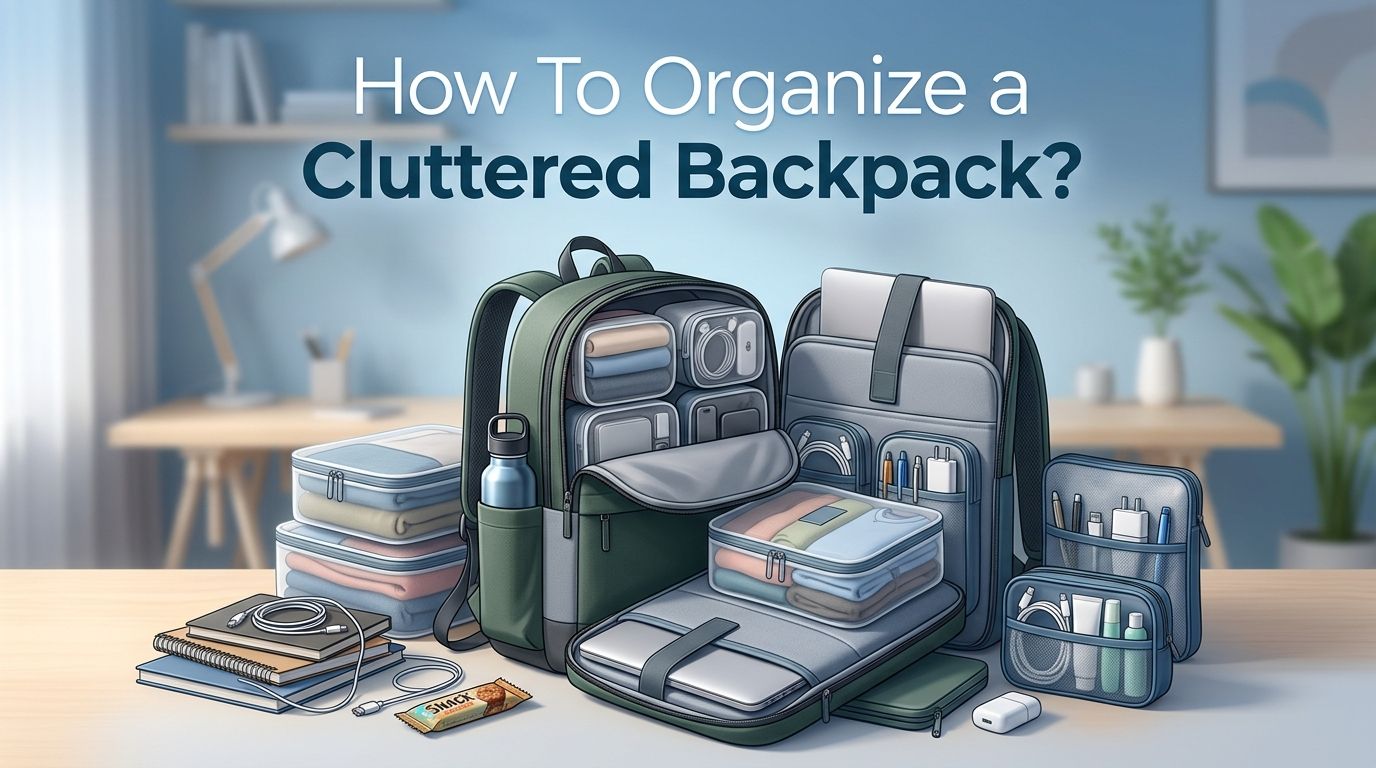
- Small pouches and packing cubes are your best friends. They prevent loose items from floating around your bag. Assign each pouch a purpose, such as charging cables, toiletries, or writing tools.
- Limit what you carry. Most backpack clutter comes from carrying things you do not need. A weekly purge habit removes receipts, old papers, empty wrappers, and duplicate items that pile up over time.
- Give every item a fixed home inside your bag. When each item has a specific spot, you build muscle memory. You will reach for things without looking, and your pack stays tidy with almost no effort.
- Maintain your system with a 5 minute weekly reset. The best organization method fails without upkeep. Set one day per week to clean out, restock, and reorganize your backpack.
Why a Cluttered Backpack Hurts Your Productivity
A disorganized backpack creates a chain reaction of small problems throughout your day. You arrive late because you could not find your badge. You miss a deadline because a paper got lost at the bottom of your bag. These events feel minor, but they add up fast.
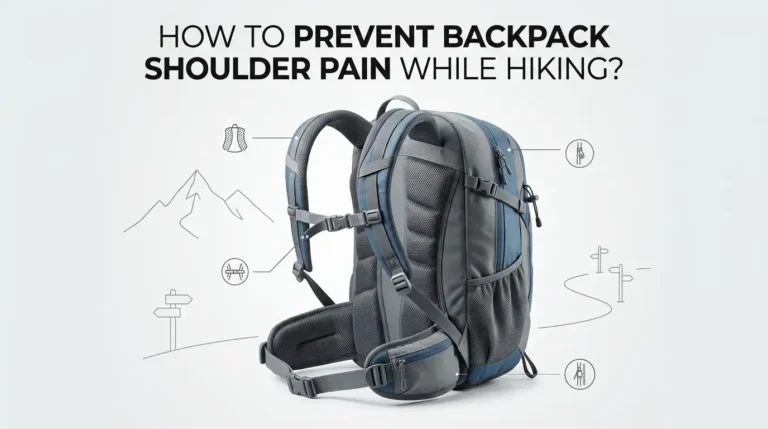
Clutter also causes physical strain. A poorly packed bag puts uneven pressure on your shoulders and spine. According to the American Chiropractic Association, an overloaded or imbalanced backpack can lead to back pain, poor posture, and muscle fatigue.
Mental clutter follows physical clutter. Opening a messy bag triggers a small dose of stress each time. An organized backpack removes that friction and helps you start each task with clarity.
Step One: Empty Everything and Start Fresh
The first step is simple but essential. Dump every single item out of your backpack. Do not skip this. Shake the bag upside down to catch crumbs, wrappers, and forgotten items hiding in corners.
Once the bag is empty, wipe down the interior with a damp cloth. Check every pocket, zipper, and hidden compartment. You will likely find items you forgot about entirely.
Now sort everything into four groups: keep, toss, relocate, and undecided. Be honest with yourself. If you have not used an item in the past two weeks, it probably does not belong in your daily carry.
How to Sort and Categorize Your Belongings
After you empty the bag, organize your “keep” items into logical categories. Common groups include tech and cables, school or work supplies, food and drinks, personal care items, and daily essentials like your wallet, keys, and phone.
Grouping items by category makes packing faster. You always know which section holds what. It also makes it easier to spot missing items before you leave the house.
Write your categories down if it helps. Some people label small pouches to match each group. This small step eliminates guesswork and keeps your system consistent day after day.
Pros of categorizing: Faster access, fewer lost items, easier to repack.
Cons of categorizing: Requires upfront effort, needs regular maintenance to stay effective.
The Zone Packing Method Explained
Zone packing divides your backpack into three main areas: bottom, middle, and top. Each zone serves a specific purpose based on weight and how often you access the item.
The bottom zone holds light, bulky items you do not need until later. Think extra clothing, a lunch bag, or a sleeping bag if you are hiking. The middle zone holds your heaviest items, placed close to your back. This keeps the center of gravity stable and reduces shoulder strain. The top zone is for items you grab frequently, like your water bottle, snacks, rain jacket, or phone.
A properly fitted backpack should transfer about 80% of its weight to your hips and lower body. Zone packing helps achieve this balance by keeping the heaviest load between your shoulder blades.
Pros of zone packing: Better weight distribution, less back pain, easier access to essentials.
Cons of zone packing: Takes practice to learn, may not work well in very small bags.
Using Pouches, Cubes, and Small Organizers
Loose items are the number one cause of backpack chaos. A single charging cable can tangle with your earbuds, wrap around a pen, and end up buried under a notebook. Small organizers solve this problem instantly.
Packing cubes give your bag a structured layout. Each cube holds a specific category of items, and you can pull the whole cube out when needed. Zippered pouches work well for small accessories like USB drives, lip balm, and earbuds.
Clear or mesh pouches let you see the contents without opening them. This saves even more time. You simply glance at the pouch and grab what you need.
Pros of pouches and cubes: Keeps items separated, easy to find things, prevents tangling.
Cons of pouches and cubes: Adds slight weight, costs extra if you do not already own them, may take up a bit of space.
How to Pack Tech and Electronics Safely
Electronics need special attention. Laptops and tablets should always go in a padded compartment close to your back. This position protects them from impact and keeps the weight centered.
Wrap charging cables with a velcro strap or place them in a dedicated tech pouch. Loose cables tangle quickly and create frustrating knots. A small pouch for all your chargers, adapters, and earbuds keeps everything tidy and accessible within seconds.
If your backpack has no padded sleeve, use a separate laptop case or padded folder. Power banks go in an easy access pocket so you can charge your phone without digging through the main compartment. Keep screens facing inward and away from hard objects like water bottles or keys.
Handling Papers, Folders, and Notebooks
Paper items crumple easily inside a backpack, especially when they are loose. Use a slim folder or binder to keep all documents flat and protected. Place this folder against the back panel of your bag, where it stays stable.
Sort papers by subject, project, or urgency. Throw away or file anything you no longer need. Old handouts and graded assignments are common sources of unnecessary bulk.
A single notebook can often replace multiple loose sheets. Digital notes on your phone or tablet can replace paper entirely if you prefer. The fewer loose papers in your bag, the less clutter you will deal with.
Pros of using folders and binders: Papers stay flat, easy to find documents, prevents wrinkling.
Cons of using folders and binders: Adds a small amount of weight, rigid binders take up fixed space even when mostly empty.
Smart Ways to Store Food and Drinks
Food spills and drink leaks ruin backpacks. Always use a sealed, leak proof container for any liquids. Place your water bottle in a side pocket or an upright position to prevent tipping.
Snacks should go in a separate pouch or a designated pocket. This prevents crumbs from mixing with your other items. Avoid tossing loose granola bars or fruit into the main compartment, because they get crushed and create a mess.
If you pack a full lunch, consider an insulated pouch that keeps food at the right temperature. Place it near the top for easy access. Clean your food area at the end of every day to stop odors and bacteria from building up.
Building a Daily Essentials Pocket
Your most used items deserve a dedicated pocket. Keys, wallet, phone, ID badge, and transit card should all go in one easy to reach spot. Most backpacks have a small front pocket or an internal sleeve that works perfectly for this purpose.
The goal is to reach these items without unzipping the main compartment. This saves time during rushed moments, like boarding a bus or entering a building.
Keep this pocket minimal. If you overload it, you lose the speed advantage. Only carry what you truly grab multiple times a day. Everything else goes in a deeper section.
How Often Should You Declutter Your Backpack
The best organization system fails without regular upkeep. Set a specific day each week to do a full reset. Sunday evenings work well for most people because you can prepare for the week ahead.
During your weekly reset, empty the bag completely. Remove any trash, receipts, or items that do not belong. Restock supplies like pens, tissues, or snacks. Check that your chargers still work and your pouches are in the right places.
A 5 minute weekly habit prevents the slow buildup of clutter that turns a clean bag into a chaotic one. You will also catch damaged zippers, stains, or wear early enough to fix them.
Common Backpack Organization Mistakes to Avoid
Overpacking is the most common mistake. People carry “just in case” items that rarely get used. A lighter bag is always easier to organize and more comfortable to carry.
Another frequent error is treating the main compartment like a single dumping zone. Without internal structure, everything shifts and mixes together during movement. Use dividers, pouches, or cubes to create sections inside your bag.
Ignoring the outer pockets is also a missed opportunity. Side pockets, front zippers, and hip belt pouches all serve specific functions. Spread your items across these zones instead of cramming everything into one area.
Finally, skipping maintenance leads to gradual chaos. A backpack can go from perfectly organized to completely messy in under a week if you do not reset it regularly.
Tips for Students, Commuters, and Travelers
Students benefit from color coded folders for each subject and a slim pencil case. Keep your laptop in the padded sleeve and textbooks close to your back. Remove old assignments every Friday.
Commuters should focus on quick access pockets for transit cards, keys, and headphones. A separate gym pouch keeps sweaty clothes isolated from work items. Roll your extra clothing instead of folding to save space.
Travelers gain the most from packing cubes and compression bags. Separate cubes for clothes, toiletries, and documents make airport security faster. Keep your passport and boarding pass in a top pocket you can reach in seconds.
Each use case requires a slightly different setup, but the core principle stays the same: give every item a home and keep only what you need.
Building a Long Term Backpack Organization Habit
Creating a lasting system requires consistency. Start small by organizing just one pocket or pouch per day. Once that section feels natural, move to the next. Within a week, your entire bag will have a clear structure.
Use visual cues to maintain your system. A bright colored pouch for tech, a clear bag for toiletries, and a dark pouch for cables all help you identify contents at a glance. Over time, your hands will reach for the right spot automatically.
Tell yourself that packing your bag is part of your daily routine, like brushing your teeth. The more automatic it becomes, the less effort it requires. An organized backpack is not a one time project. It is a simple daily practice that saves you time, reduces stress, and protects your belongings for the long run.
Frequently Asked Questions
What is the best way to organize a backpack with no compartments?
Use packing cubes, zippered pouches, and small bags to create your own sections inside the main compartment. Assign each pouch a category like tech, food, or personal items. This gives a single compartment bag the same structure as a multi pocket backpack.
How heavy should a fully packed backpack be?
Experts recommend that a daily carry backpack should weigh no more than 10% to 15% of your body weight. For hiking packs, the general guideline is no more than 20% of your body weight. Going over these limits can lead to back pain and fatigue.
How do I stop my backpack from getting messy every day?
Build a habit of putting items back in their assigned spots after every use. Do a quick 2 minute check at the end of each day to remove trash and reposition items. A weekly full reset prevents gradual buildup of clutter.
Are packing cubes worth using for everyday backpacks?
Yes. Packing cubes work well for any type of backpack, not just travel bags. They keep items grouped, prevent shifting during movement, and make it easy to unpack or repack quickly. Lightweight cubes add very little weight to your bag.
Should I roll or fold clothes in a backpack?
Rolling usually saves more space and reduces wrinkles. It also allows you to see all your clothing items at once instead of stacking them. Folding works better for stiff or structured items like dress shirts.
How do I keep my backpack smelling fresh?
Empty your bag completely at least once a week. Remove all food items daily. Place a small sachet of baking soda or activated charcoal inside the bag overnight to absorb odors. Wipe down the interior lining with a damp cloth and mild soap as needed.

Hi, I’m Luna Beck — the founder and voice behind Urban Pack Vault. I’m passionate about helping people find bags that perfectly match their lifestyle. From backpacks to travel luggage, I research, review, and recommend so you never have to second-guess your next purchase.