How to Prevent Sweaty Back Syndrome While Wearing a Commuter Backpack?
You just walked into the office, and you can feel it. That warm, damp patch spreading across your back like a map of your morning commute.
Your shirt clings to your skin. You twist awkwardly, hoping nobody notices. Sound familiar? Sweaty back syndrome is one of the most common and frustrating problems commuters face every single day.
A backpack pressed flat against your back creates a sealed pocket of heat. Your body naturally sweats to cool down, but the moisture has nowhere to go. The result is a soaked shirt, an uncomfortable feeling, and sometimes even skin irritation.
In a Nutshell
- Airflow is everything. The main cause of back sweat is trapped heat between your backpack and your body. Any solution that increases air circulation will make a big difference.
- Your clothing matters just as much as your backpack. Wearing moisture wicking fabrics pulls sweat away from your skin and helps it evaporate faster. Cotton absorbs sweat and holds it against your body, making the problem worse.
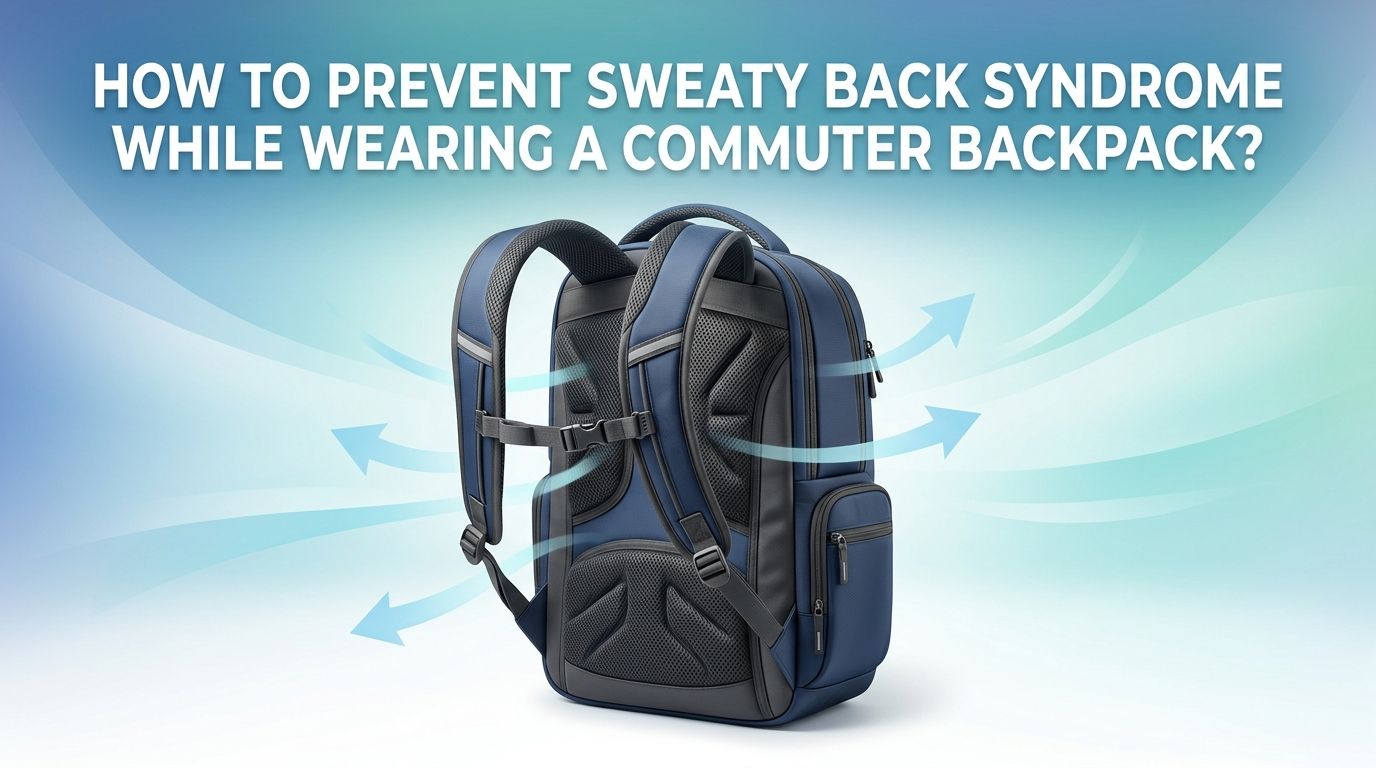
- Ventilation frames and suspended mesh panels create a gap between the pack and your back. This gap allows air to flow and prevents direct contact with the hot surface of the bag.
- Adjusting your backpack straps properly distributes weight evenly. Poor strap positioning causes the pack to sag and press harder into your lower back, which traps more heat.
- Consider alternatives to wearing your bag. Bike panniers, basket mounts, and rolling bags remove the pack from your back entirely. This is the most effective solution for cyclists.
- Small habits add up. Packing lighter, loosening straps briefly during stops, and carrying a spare shirt all help you arrive at your destination dry and comfortable.
How Does Sweaty Back Syndrome Happen?
Your body has millions of sweat glands. The back has a high concentration of these glands, making it one of the most active sweat zones on your body. Sweating is your body’s cooling system. It releases moisture to the skin surface, and evaporation pulls heat away.
A backpack disrupts this system. The pack material sits directly against your back and creates an airtight seal. Heat builds up quickly in this trapped zone. Sweat forms but cannot evaporate because there is no airflow.
The problem gets worse with movement. Walking, cycling, or climbing stairs raises your body temperature. Your back produces even more sweat, and the backpack keeps all of that moisture locked in place. Even in cool weather, body heat alone can trigger this cycle.
How to Choose a Backpack With Better Ventilation?
The design of your backpack plays a massive role in how much you sweat. Look for packs that feature a suspended mesh back panel. This design uses a tensioned mesh sheet stretched across a frame. The mesh sits against your back while the main compartment stays a few centimeters away.
This gap allows air to pass between your body and the bag. The difference is noticeable, even on hot days. Some backpacks also use channeled foam padding on the back panel. These channels create grooves that guide air upward as you walk.
Pros: Ventilated backpacks reduce sweating significantly. They require no extra accessories or clothing changes.
Cons: These packs often cost more. The mesh frame adds bulk and can reduce packing space slightly. The pack may also sit farther from your body, which can feel less stable during fast movement.
How to Use an Airflow Spacer for Your Backpack?
If you already own a backpack and do not want to replace it, an airflow spacer is a practical add on. These are lightweight frames or pads that attach to the back of your pack. They create a raised gap between the bag and your body.
The spacer works by lifting the backpack off your back by about one to two centimeters. Air flows freely through this space, and sweat evaporates much faster. Most spacers attach with simple clips or Velcro straps.
Pros: Affordable and compatible with most backpacks. Easy to install and remove. Provides immediate improvement in airflow.
Cons: Adds a small amount of weight and thickness to your pack. The raised position can shift the center of gravity slightly. Some users find the frame edges uncomfortable if the fit is not right.
How to Pick the Right Clothing for Your Commute?
Your shirt is the first layer between your skin and the backpack. Choosing the wrong fabric can make sweating much worse. Cotton feels soft, but it absorbs moisture and holds it against your skin. This creates a damp, heavy feeling that lasts.
Switch to moisture wicking synthetic fabrics or merino wool base layers. These materials pull sweat away from your skin to the outer surface of the fabric. The moisture then evaporates quickly, keeping your back drier.
Mesh undershirts are another excellent option. They create a thin air layer between your skin and your outer shirt. This promotes airflow and speeds up drying. Many cycling commuters swear by mesh base layers for warm weather rides.
Pros: Moisture wicking clothing is widely available and works immediately. Merino wool also resists odor, which is a bonus for commuters.
Cons: Synthetic fabrics can develop odor over time. Merino wool is more expensive. Mesh undershirts may feel unusual at first.
How to Adjust Your Backpack Straps Correctly?
Strap adjustment is one of the easiest and most overlooked fixes for back sweat. When straps are too loose, the pack sags low and presses its full weight against your lower back. This increases the contact area and traps more heat.
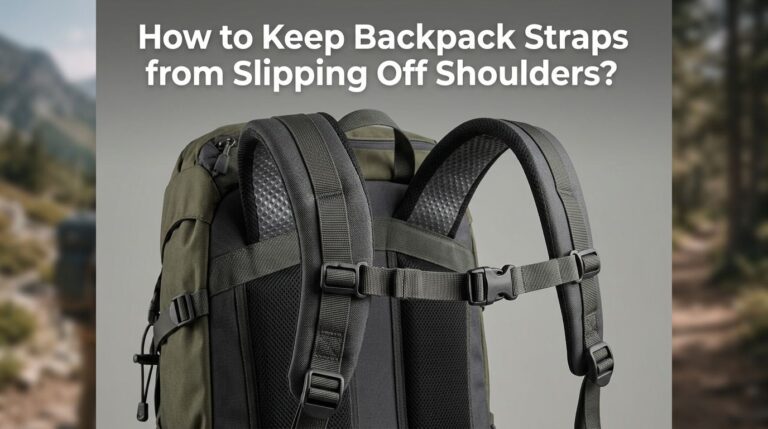
Tighten the shoulder straps so the pack sits high on your back. The bottom of the pack should rest at or just above your waistline. Use the chest strap to pull the shoulder straps inward. This centers the load and reduces side to side movement.
If your pack has load lifter straps near the top of the shoulder straps, pull them forward at a 45 degree angle. This tilts the top of the pack away from your upper back, creating a small pocket of airflow. Even this minor adjustment lets air reach your back more effectively.
How to Pack Lighter to Reduce Back Sweat?
A heavier pack presses harder against your back. This increases the contact pressure and seals off more surface area from airflow. Every extra kilogram you carry adds to the problem.
Review what you carry daily. Do you bring items you rarely use? A heavy laptop charger, extra books, or a bulky water bottle add weight that forces the pack tighter against your body. Keep only the essentials in your commuter bag.
Distribute weight evenly inside the pack. Place heavier items closer to your back and centered vertically. This keeps the pack balanced and prevents it from pulling away at the bottom, which causes the top to press harder into your upper back.
Pros: Packing lighter is free and improves comfort beyond just sweat reduction. It also reduces shoulder and back strain.
Cons: Some commuters genuinely need to carry heavy items like laptops and documents. There is a limit to how much you can reduce.
How to Use Panniers or Basket Mounts Instead?
For bike commuters, the single best way to eliminate back sweat is to remove the backpack from your body entirely. Panniers are bags that mount on a rear rack on your bicycle. Basket mounts sit on the front or rear of the bike.
Many commuters who switch from backpacks to panniers report an immediate and dramatic improvement. Your back stays open to the air. You sweat far less during the ride. You arrive at work feeling much fresher.
Pros: Eliminates back sweat completely. Distributes weight to the bike frame, which also reduces physical strain on your body.
Cons: Requires a bike rack installation. Panniers are less convenient for walking segments of your commute. You need to remove and carry them once you leave the bike. Not an option for walkers or public transit users.
How to Time Your Commute to Stay Cooler?
Sometimes the simplest changes make the biggest difference. Commuting during cooler parts of the day reduces your body temperature and slows sweat production. If you have flexibility, leaving 20 to 30 minutes earlier can mean a significantly cooler walk or ride.
Walk or ride at a slower, steady pace. Rushing raises your heart rate and body temperature fast. Slowing down by even 10 to 15 percent keeps your core temperature lower and gives your body less reason to sweat.
Plan a route with shade coverage where possible. A shaded path can be several degrees cooler than a sunlit sidewalk. Trees, buildings, and covered walkways all help keep your body temperature down during the commute.
How to Carry a Change of Shirt for Your Arrival?
Sometimes prevention can only go so far. On hot days or long commutes, even the best setup may not keep you completely dry. This is where a backup plan saves you.
Pack a clean, dry shirt in a ziplock bag or waterproof pouch inside your backpack. When you arrive at your destination, step into a restroom and change. You go from sweaty to fresh in under two minutes.
This approach is especially helpful for commuters who need to look professional at work. A quick change removes any visible sweat marks. Pair this with a small travel towel to wipe down your back before putting on the clean shirt.
Pros: Guarantees a fresh appearance regardless of conditions. Very low cost.
Cons: Requires a few extra minutes at your destination. Adds a small amount of weight and takes up space in your pack.
How to Use Anti Sweat Products on Your Back?
Antiperspirant is not just for underarms. Applying a strong antiperspirant to your back the night before your commute can reduce sweat output in that area. Look for formulas containing aluminum chloride, which temporarily blocks sweat glands.
Apply the product to clean, dry skin before bed. This gives the active ingredients time to absorb overnight. In the morning, your back will produce noticeably less moisture during your commute.
Body powder is another option. Talc free body powders absorb moisture and reduce friction between your skin and clothing. Apply it to your back before getting dressed.
Pros: Reduces the amount of sweat your body produces in the target area. Works alongside other methods for maximum effect.
Cons: Some people experience skin irritation from antiperspirant on larger skin areas. Powder can leave residue on dark clothing.
How to Cool Down Quickly After Your Commute?
Arriving at your destination is only half the battle. Your body continues to produce sweat for several minutes after you stop moving. Having a cool down routine helps you dry off faster and feel comfortable sooner.
Remove your backpack immediately when you arrive. Stand in front of a fan or air conditioning vent if possible. Allow your back to air out for a few minutes before sitting down. This helps the remaining moisture evaporate.
Splash cool water on your wrists and neck. These are pulse points where blood vessels run close to the surface. Cooling these areas brings your overall body temperature down faster, which signals your sweat glands to slow down.
How to Maintain Your Backpack for Better Airflow?
Over time, the ventilation features on your backpack can lose effectiveness. Mesh panels collect dirt, salt, and body oils from sweat. Clogged mesh reduces airflow and creates an environment where bacteria can grow, causing odor.
Clean your backpack regularly. Wipe the back panel with a damp cloth and mild soap every week. For deeper cleaning, hand wash the entire pack every month or two. Let it air dry completely before using it again.
Check the foam padding for compression. Old, flattened foam loses its shape and no longer creates airflow channels. If the padding on your pack is thin and hard, it may be time for a replacement.
How to Combine Multiple Methods for the Best Results?
No single solution works perfectly on its own for every person. The most effective approach combines several methods together. Start with the solutions that require the least effort and build from there.
Wear a moisture wicking shirt. Adjust your straps properly. Pack lighter. These three steps cost little or nothing and create a solid foundation. Add an airflow spacer or switch to a ventilated backpack for the next level of improvement.
On the hottest days, layer in additional tactics. Apply antiperspirant the night before. Carry a backup shirt. Time your commute for cooler hours. Each method stacks with the others, and together they can reduce back sweat by a dramatic amount.
The key is to experiment and adjust. Your body, climate, and commute distance are unique. Test different combinations until you find the setup that keeps you dry and comfortable every day.
Frequently Asked Questions
How to stop back sweat with a backpack in hot weather?
Use a backpack with a suspended mesh back panel to create an air gap. Wear a moisture wicking shirt and apply antiperspirant to your back the night before. Pack only essentials to reduce weight. Commute during cooler hours if possible and carry a spare shirt for changing at your destination.
How to tell if a backpack has good ventilation?
Look at the back panel design. A good ventilated pack will have a visible gap between the mesh panel and the main compartment. Press your hand against the back panel. If you can feel open space behind the mesh, air can flow through. Channeled foam padding with deep grooves is another sign of good ventilation.
How to prevent backpack sweat stains on clothing?
Wear dark colored moisture wicking shirts that hide and manage sweat better than cotton. You can also use a mesh undershirt as a base layer to keep sweat off your outer clothing. Carrying a change of clothes is the most reliable way to avoid visible stains at work or school.
How to clean a sweaty backpack to prevent odor?
Wipe the back panel with a damp cloth and mild soap after each week of use. For a full clean, empty the pack and hand wash it in lukewarm water with gentle detergent. Rinse thoroughly and hang it in a well ventilated area to air dry. Avoid machine drying, which can damage foam padding and mesh panels.
How to reduce back sweat if you cannot change your backpack?
Attach an aftermarket airflow spacer to your existing pack. These lightweight frames clip onto most backpacks and create space between the bag and your body. Also focus on clothing choices, strap adjustment, and packing lighter. These changes can make a real difference without replacing your bag.

Hi, I’m Luna Beck — the founder and voice behind Urban Pack Vault. I’m passionate about helping people find bags that perfectly match their lifestyle. From backpacks to travel luggage, I research, review, and recommend so you never have to second-guess your next purchase.