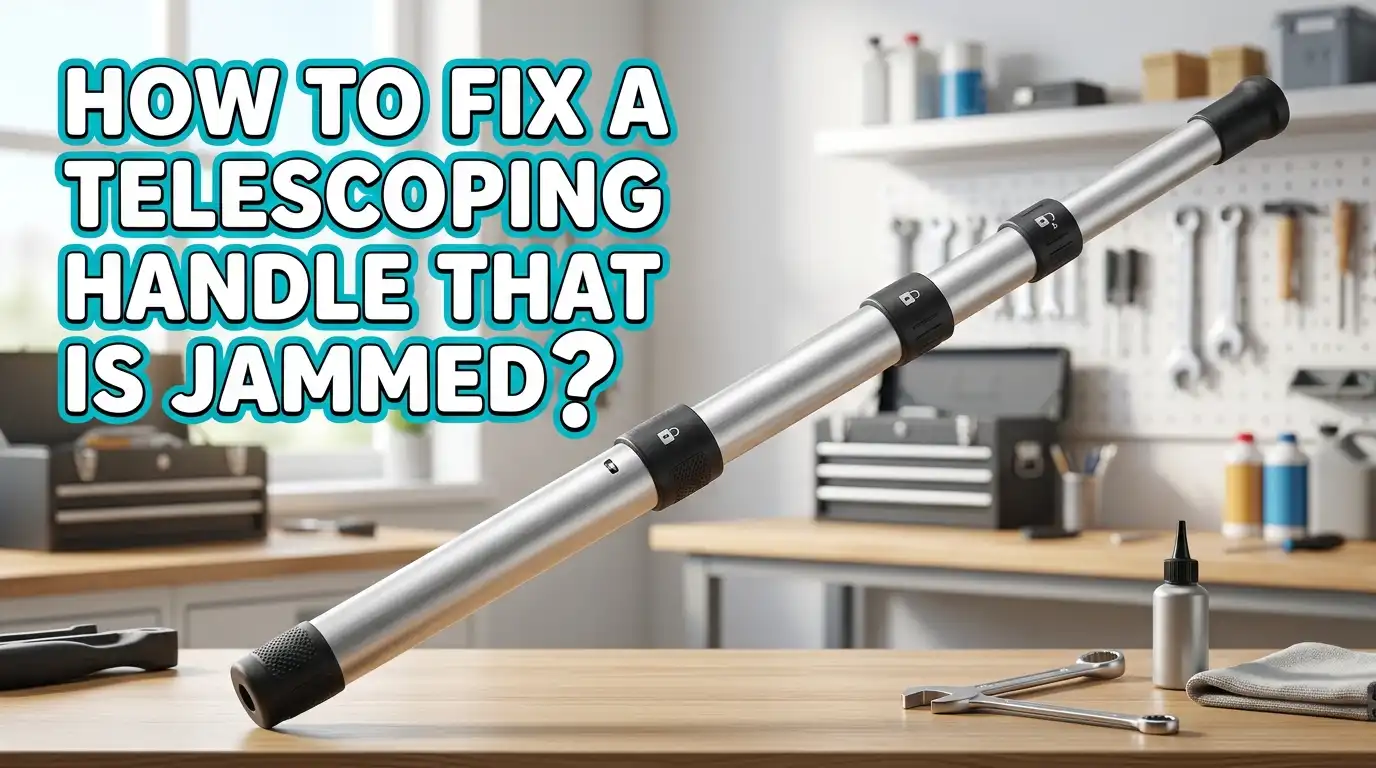
How To Fix A Telescoping Handle That Is Jammed?
A jammed telescoping handle can ruin your day fast. You grab your suitcase, press the button, and nothing moves. The handle stays stuck up or stuck down.
You tug, you push, and it refuses to budge. Sound familiar? You are not alone. This problem hits millions of travelers, gardeners, and pole users every year.
The good news is simple. Most jammed handles are not broken. They are stuck because of dirt, pressure, or a sticky locking pin. You can often fix the issue at home in a few minutes with basic tools.
Key Takeaways
- Pressure is the top cause. Overpacking pushes items against the handle channels inside your bag. This creates friction and locks the handle in place.
- Dirt and debris jam the locking pin. Sand, lint, and grime collect inside the mechanism. They stop the toggle buttons from moving freely.
- Lubricant solves many problems. A small spray of silicone or WD40 frees most sticky handles within minutes.
- Never force a stuck handle. Yanking hard can bend the metal rails. A bent rail turns a small fix into a big repair.
- Most repairs need only basic tools. A Phillips screwdriver, a cloth, and lubricant handle the majority of jobs at home.
- Replacement is the last step. If the rails are bent or cracked, a full handle swap or a warranty claim makes more sense than repeated fixes.
Understanding Why A Telescoping Handle Gets Jammed
Before you fix the handle, you need to know why it jammed. A telescoping handle works through metal rails that slide inside hollow channels.
Small toggle buttons, often called spring clips, lock into holes along these channels. When you press the release button, the clips pull inward and the handle slides.
A jam happens when something blocks this smooth motion. Pressure from packed items, trapped dirt, or a bent rail are the main culprits.
Sometimes the release button itself fails to push the clips inward. Knowing the cause saves you time. You skip the wrong fixes and go straight to the right one. Always inspect the handle first before you start any repair work.
Checking For Overpacking And Internal Pressure
Overpacking is the most common reason a handle jams during a trip. The metal rails run through channels inside your suitcase. When you stuff the bag full, hard items press directly against these channels. This pressure creates friction that locks the handle in place.
Open your suitcase first. Remove rigid items near the back panel, like shoes and toiletry kits. Take out around ten to twenty percent of the contents and test the handle again. Many handles free up instantly once the pressure drops.
This explains why handles often jam mid trip. You pack heavier on the way home, and souvenirs shift into the handle zone. A simple rule helps here: if the bag had to be forced shut, the handle is under stress too.
Pros: This fix is free, fast, and needs no tools at all.
Cons: It only works for pressure jams, not for dirt or mechanical damage.
Cleaning Dirt And Debris From The Mechanism
Dirt is the second biggest cause of a jammed handle. Sand, lint, dust, and grime collect inside the locking mechanism over time. This buildup stops the toggle buttons from sliding freely. The handle then feels gritty or refuses to move.
Start by wiping the visible rails with a dry cloth. Next, use a can of compressed air to blow out the holes and channels. Aim the air directly at the toggle buttons and the release button gap. This clears trapped debris fast.
For stubborn grime, dip a cotton swab in rubbing alcohol and clean around the pins. Let it dry fully before you test the handle again. A clean mechanism moves smoothly and locks correctly.
Pros: Cleaning prevents future jams and improves the lock function.
Cons: It takes patience, and compressed air may not reach deep internal parts.
Lubricating The Handle For Smooth Movement
Lubricant is the magic fix for most sticky handles. Once the mechanism is clean, a small spray reduces friction and frees the rails. Silicone spray, 3 in 1 oil, or WD40 all work well for this job.
Spray the lubricant into the toggle button mechanism on both sides of the handle. Wipe away any excess with a rag so it does not attract more dirt. Then press the release button several times to spread the oil inside.
You should notice the toggle buttons depress much deeper than before. Apply a thin layer to the metal rails too. Move the handle up and down to coat the full length evenly. Test every locking position to confirm the fix worked.
Pros: Lubricant restores smooth motion and works within minutes.
Cons: Too much oil drips onto your clothes and attracts dust later.
Freeing A Stuck Locking Pin Or Toggle Button
Sometimes the locking pin itself sticks and refuses to retract. This is a focused fix that targets the toggle buttons directly. You will need a pointed object like a small screwdriver for this method.
Press the handle release button with one hand. With your other hand, push each toggle button into the housing manually with the screwdriver tip. This forces the stuck pin inward and lets the handle slide to a new position.
Work gently and watch the buttons move. If a pin feels frozen, add a drop of lubricant first. Repeat the press and push action a few times until the motion feels free. This trick often unlocks handles that seem completely jammed.
Pros: It targets the exact stuck part without full disassembly.
Cons: You risk scratching the housing if you push too hard.
Gently Shaking And Wiggling The Handle Loose
Before you grab tools, try the simplest trick of all. A gentle shake often frees a lightly jammed handle. This works best when dirt or minor misalignment causes the stick.
Hold down the release button firmly. Then shake the handle up and down in small, controlled motions. Add a slight side to side wiggle to help the rails re seat in their channels. Do not use heavy force at any point.
The vibration shifts trapped debris and realigns slightly off track rails. Many travelers fix a stuck handle this way in under a minute. If it moves even a little, keep wiggling until it slides fully.
Pros: This needs no tools and causes zero risk of damage when done gently.
Cons: It rarely fixes deep dirt jams or bent rails.
Opening The Suitcase Liner To Access The Handle
When surface fixes fail, you need to reach the handle from inside. Most suitcases hide the mechanism behind a zippered liner. This access lets you inspect the rails and screws directly.
Open the main zipper at the base of the bag. Then unzip the interior compartment liner to expose the handle housing. Check that all metal bars are straight and the plastic housings are intact.
This step reveals hidden problems you cannot see from outside. You might spot a wedged item, a bent rail, or a loose screw. A clear view helps you choose the right repair instead of guessing. Take a photo before you touch anything so you remember the layout.
Pros: Full access shows the true cause of the jam.
Cons: Some bags use rivets instead of screws, which makes access harder.
Removing And Inspecting The Handle Assembly
For a deeper repair, you can remove the handle assembly fully. This sounds scary, but it follows a simple order. You will need a Phillips PH1 screwdriver for most luggage brands.
Remove the four screws at the top handle bracket. Then take out the black plastic retaining clips held in place by those screws. Keep every screw and clip in a safe dish so you do not lose them.
Next, depress the toggle buttons and pull the handle out as far as it goes. Use a side to side motion to free the plastic sleeves at the bottom. Now you can inspect, clean, and lubricate every part with ease. Press the release button a few times to learn how the clips behave.
Pros: Full removal gives complete access for cleaning and lubrication.
Cons: Riveted handles cannot come out without drilling, which voids warranties.
Fixing A Bent Telescoping Rail
A bent rail is a tougher problem, but you can often straighten it. Drops, heavy loads, and rough handling cause most bends. The handle then catches at the bend point and refuses to slide.
Pull the rail fully out of the housing first. Locate the exact spot where it bends. Hold the rail with pliers at the bend and apply slow, even pressure with your other hand to straighten it.
Work in small steps. Reinsert the rail after each adjustment and test the motion. Repeat until the handle slides without catching. Do not bend too far the other way, or you create a new problem.
Pros: This saves a handle that would otherwise need full replacement.
Cons: Metal can weaken or snap if you bend it back and forth too often.
Reassembling The Handle Correctly
Putting the handle back together matters as much as taking it apart. A rushed reassembly leads to a new jam or a wobbly handle. Follow the reverse order of your removal steps.
Hold the release button down. Use an up and down motion to insert the black plastic sleeves into the housing. Keep the button pressed and slide the handle all the way back in.
You should feel a clear improvement in the motion right away. Reinstall the two plastic clips, then the four screws. Do not overtighten the screws, as that can crack the plastic or bind the rails. Test every height position before you zip the liner shut.
Pros: Correct reassembly restores full function and prevents future sticking.
Cons: Misaligned parts force you to redo the whole process.
Testing The Handle After Your Repair
Testing confirms your work paid off. Skipping this step leaves you guessing whether the fix held. A few minutes of testing saves a frustrating surprise at the airport.
Press the release button and extend the handle to its highest setting. Then collapse it fully. Repeat this motion at least five times across every locking position. The handle should glide smoothly and click into place each time.
Listen for grinding sounds and feel for any catch points. A smooth, quiet handle means your repair worked. If it still sticks at one spot, return to the cleaning and lubrication steps for that section.
Pros: Testing catches hidden issues before they ruin a trip.
Cons: It adds a few minutes, but that time is always worth it.
Knowing When To Replace The Handle
Sometimes a handle is beyond a simple fix. Cracked housings, snapped rails, or a dead locking mechanism call for replacement. Repeated jams after cleaning also point to deeper damage.
Many brands sell replacement handle kits that match your model. Check your warranty first, since many quality bags cover handle repairs for years. A warranty claim often costs you nothing at all.
If the bag is old or low cost, a full replacement bag may make more sense than a repair. Weigh the repair time and cost against the value of the suitcase. For premium luggage, the manufacturer service team is your best path.
Pros: Replacement gives you a fully working handle with no lingering issues.
Cons: Parts and labor add cost, and some kits are hard to find for older models.
Preventing Future Telescoping Handle Jams
Prevention beats repair every time. Smart habits keep your handle moving for years. Most jams trace back to packing and storage mistakes you can easily avoid.
Leave a buffer zone around the handle channels when you pack. Keep hard items like shoes and tech pouches in the center, not pressed against the back panel. Packing cubes add structure and stop items from shifting into the rails.
Clean and lubricate the mechanism once or twice a year. Wipe the rails after beach trips, since sand is a major jam cause. Never lift a heavy bag by the extended handle, as that bends rails fast.
Pros: Good habits cost nothing and extend the life of your luggage.
Cons: They require a little discipline each time you pack.
Frequently Asked Questions
Why is my telescoping handle stuck in the up position?
Your handle is likely jammed by dirt in the locking pin or by a bent rail. Press the release button and gently wiggle the handle side to side. If it does not move, clean and lubricate the mechanism for a fuller fix.
Can I use WD40 on my luggage handle?
Yes, WD40 works well to free a sticky handle. Spray a small amount into the toggle button area and wipe away the excess. Silicone spray and 3 in 1 oil are good alternatives that attract less dust over time.
Will overpacking really jam my handle?
Yes, overpacking is a top cause of handle jams. Tightly packed items press against the internal rail channels and create friction. Remove some contents and test the handle, since this simple step frees many stuck handles instantly.
How do I free a stuck locking pin?
Press the release button with one hand. Use a small screwdriver to push each toggle button into the housing manually. Add a drop of lubricant if the pin feels frozen, then repeat the motion until the handle slides freely.
Is it worth repairing a jammed handle or should I replace the bag?
Repair makes sense when the rails are straight and only dirt or pressure cause the jam. Replace the handle or bag when rails are bent badly or the housing is cracked. Always check your warranty first, since many repairs are free.
How often should I clean my telescoping handle?
Clean and lubricate the handle once or twice a year for normal use. Wipe it down more often after beach or outdoor trips where sand and grit collect. Regular care prevents most jams before they ever start.

Hi, I’m Luna Beck — the founder and voice behind Urban Pack Vault. I’m passionate about helping people find bags that perfectly match their lifestyle. From backpacks to travel luggage, I research, review, and recommend so you never have to second-guess your next purchase.