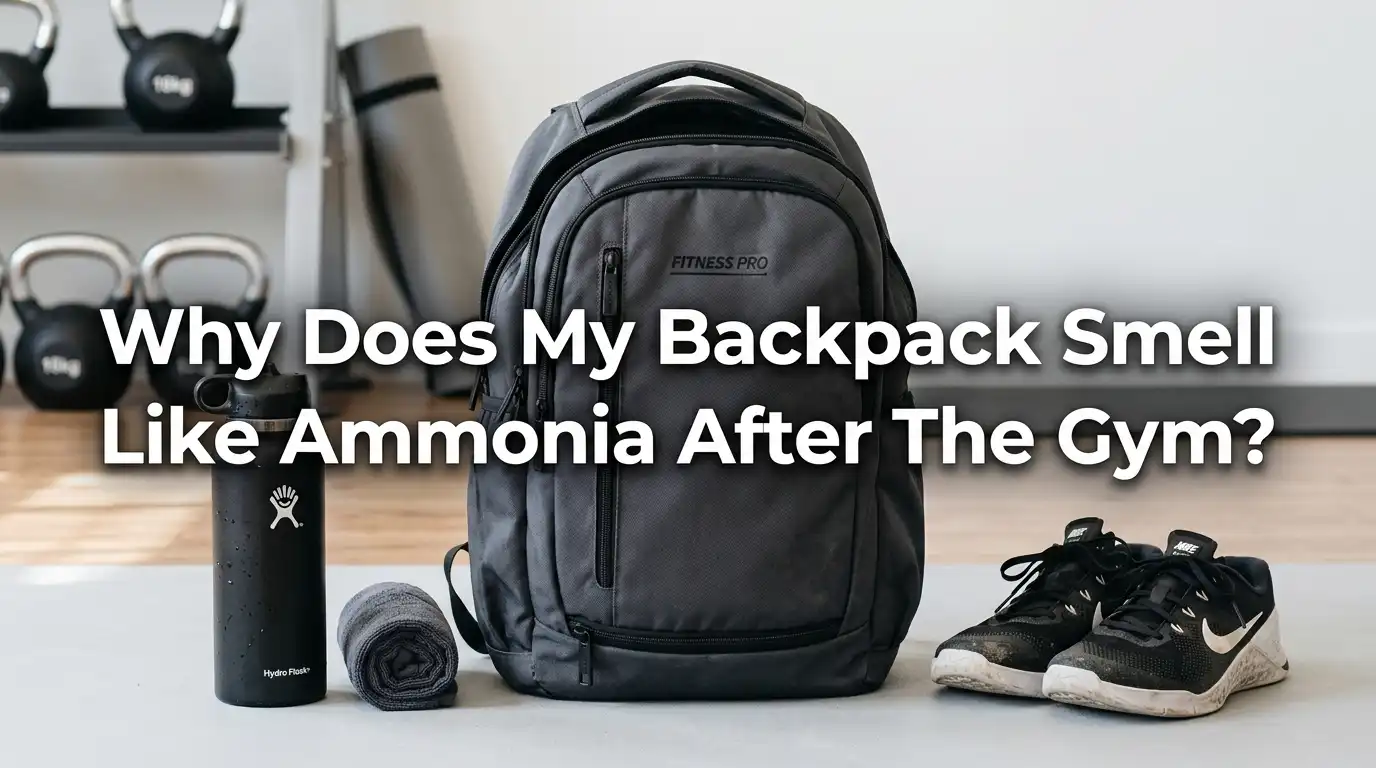
Why Does My Backpack Smell Like Ammonia After The Gym?
You open your gym backpack the next morning and a sharp, stinging smell hits your nose. It smells like cleaning fluid or cat litter. That smell is ammonia, and it shows up more often than people think.
The good news is that this smell has clear causes. Even better, you can fix it with simple steps and items you already own.
This guide breaks down why your backpack smells like ammonia after the gym. It also gives you step by step solutions, prevention tips, and honest pros and cons for each method. Let us clear the air, literally.
In a Nutshell:
- Ammonia smell starts with your sweat, not your bag. When your body runs low on carbs, it burns protein for fuel. This process releases ammonia through your sweat, which then soaks into your bag.
- Dehydration makes the smell stronger. Less water in your body means more concentrated sweat. Drinking enough water often softens the smell right away.
- Trapped moisture is the real villain. Wet clothes and a zipped bag create a warm, dark space. Bacteria and mildew grow fast and lock the smell into the fabric.
- Baking soda and white vinegar are your best home fixes. They neutralize odor instead of just covering it. They are cheap, safe, and effective for most bags.
- Prevention beats cleaning every time. Air your bag out, dry your clothes, and use a wet bag for sweaty gear. Small daily habits stop the smell before it starts.
- A strong smell that will not quit may signal a health issue. If hydration and diet changes do not help, it is worth talking to a doctor.
What Ammonia Smell Actually Means
That sharp, pool cleaner smell is not random. Ammonia is a waste product your body makes when it breaks down protein. Normally your liver turns ammonia into urea, and your kidneys flush it out in urine. But during hard workouts, some of that ammonia leaves through your sweat instead.
When the sweat dries inside your bag, the smell stays behind. Your nose is picking up a real chemical, not just “stink.” This is why the odor feels so different from normal body odor.
Understanding this helps you target the cause. You are not fighting dirt alone. You are fighting a sweat chemistry problem plus a moisture problem. Both need attention.
Why Burning Protein Creates The Smell
Your body prefers carbs for energy during exercise. Carbs are easy fuel. But when your glycogen stores run low, your body looks for backup. It starts breaking down protein and amino acids for energy. This process produces ammonia as a byproduct.
People on low carb or high protein diets often notice this the most. The same goes for long, intense training sessions where you burn through your carb supply. The harder and longer you train, the more likely the ammonia smell appears.
This is your body telling you it ran out of its favorite fuel. The fix here is partly about food. Eating enough carbs before workouts can reduce how much ammonia your body makes in the first place.
How Dehydration Makes Things Worse
Water plays a huge role in this smell. When you drink enough, your body dilutes waste products like ammonia. Dehydration concentrates your sweat and your urine, which makes the ammonia stronger and sharper.
Think of it like coffee. A weak cup smells mild, while a strong cup smells intense. Your sweat works the same way. Less water means a more pungent result. Many people notice the smell improves once they hydrate properly. A simple sign to watch is your urine color.
Pale yellow usually means you are well hydrated. Dark yellow means you need more fluids. Sipping water through the day, not just during your workout, keeps your sweat lighter and your bag fresher.
Why Your Bag Traps And Holds The Odor
Here is the part most people miss. The smell does not just come from sweat. It comes from what happens after the sweat sits in your bag. A zipped backpack with damp clothes inside becomes a warm, dark, closed box. That is the perfect home for bacteria and mildew.
Bacteria feed on sweat and release smelly compounds. Mildew adds a musty layer on top of the ammonia. Together they soak deep into the fabric and lining.
This is why airing out and quick washing matter so much. The longer wet gear stays trapped, the worse and more stubborn the smell gets. Time is your enemy here. The faster you empty and open the bag, the easier the cleanup.
Step By Step: Empty And Air Out Your Backpack First
Always start with the basics before deep cleaning. Open every pocket and pull everything out. Sweaty clothes, towels, water bottles, and old snacks all hide odor. Even an empty looking pocket can hold a damp sock.
Next, turn the bag inside out if the design allows it. Shake out crumbs and dust. Then hang it open in a breezy, sunny spot. Fresh air and sunlight both help kill odor causing bacteria. Leave it for a few hours or overnight.
Pros: This method is free, easy, and gentle on the fabric. It works well for mild smells.
Cons: It will not remove a deep, set in ammonia smell on its own. You will likely need a cleaning step too. Still, this is always the right first move.
The Baking Soda Method For Deep Odor Control
Baking soda is one of the best tools for this job. It neutralizes odors instead of masking them. That is key with ammonia, since covering the smell only delays the problem.
Here is how to do it. Sprinkle a generous amount of baking soda inside the empty, dry bag. Zip it shut and let it sit overnight, or for two to three days for strong smells. Then tip the bag over a trash can and shake the powder out. Vacuum the inside to grab any leftover residue.
Pros: Cheap, safe, easy, and gentle on most fabrics. It works on the actual smell.
Cons: It takes time and may need repeating. It absorbs odor but does not kill bacteria, so pair it with a wash for the best result.
The White Vinegar Method To Break Down Smell
White vinegar takes a different approach. Its acidity helps break down odor causing residue and fights mildew. This makes it a strong partner to baking soda.
To use it, mix equal parts white vinegar and water in a spray bottle. Lightly spray the inside of the bag. Do not soak it. Wipe with a clean cloth, then let the bag air dry fully in a ventilated spot. For washable bags, you can add half a cup of vinegar to the rinse cycle.
Pros: Great for mildew and stubborn smells. Cheap and natural.
Cons: It has its own strong smell at first, though this fades as it dries. It is acidic, so test a hidden spot on delicate or coated fabrics before spraying the whole bag.
How To Hand Wash Your Backpack Safely
When the smell goes deep, a full wash helps. Hand washing gives you control and protects the bag. Always check the care label first. Some bags have foam padding or coatings that water can damage.
Fill a tub with warm water and add a small amount of mild detergent. You can add a splash of white vinegar too. Gently scrub the inside and outside with a soft brush. Focus on the lining and corners. Rinse well until the water runs clear, then hang to dry completely.
Pros: Gentle, thorough, and ideal for printed, padded, or coated bags. You can target problem spots.
Cons: It takes time and effort. Drying takes longer, and trapped damp foam can cause new smells if not fully dried.
When Machine Washing Is Safe
Some backpacks handle the washing machine just fine, but not all. The care label is your final word here. If it says machine safe, you can save time and effort.
To do it right, empty every pocket and brush off loose dirt. Place the bag inside a laundry bag or pillowcase to reduce wear. Use a gentle cycle with cold or warm water and mild detergent. Skip bleach and fabric softener. Then air dry fully. Never toss a backpack in a hot dryer, since heat warps padding and melts coatings.
Pros: Fast and gives an even, deep clean for heavily soiled bags.
Cons: Risky for bags with foam, leather, or special coatings. It can damage straps and zippers over time. When in doubt, hand wash instead.
The Freezer Trick For Quick Odor Relief
This method surprises many people, but it works for light smells. Cold temperatures slow down and kill some odor causing bacteria. It will not clean dirt, but it can freshen a bag fast.
Place your dry, empty backpack in a large sealable bag. Put it in the freezer overnight. The next day, take it out and let it return to room temperature. The smell should feel lighter. This is handy when you have no time to wash.
Pros: Easy, free if you have freezer space, and chemical free. Good for a quick refresh.
Cons: It only reduces smell, it does not remove dirt or sweat residue. It needs freezer room, which not everyone has. The effect is temporary, so it works best as a short term fix.
Daily Habits That Stop The Smell Before It Starts
Prevention is far easier than cleaning. A few small habits keep your bag fresh long term. Never leave sweaty clothes sealed in your bag. Take them out the moment you get home and let the bag air out with the zippers open.
Pack a separate wet bag or waterproof pouch for damp gear. This keeps moisture away from the main compartment. Drop in a small open box of baking soda or a charcoal pouch to absorb daily odor. Let shoes dry outside the bag when possible.
Pros: These habits cost little and prevent deep, stubborn smells.
Cons: They require consistency. You have to remember them every time. But once they become routine, your bag stays fresh with almost no effort.
Diet And Hydration Fixes That Tackle The Root Cause
Cleaning your bag treats the symptom. Fixing your sweat treats the cause. Since ammonia comes from burning protein, eating enough carbs before training gives your body better fuel. This means it burns less protein and makes less ammonia.
Hydration matters just as much. Drink water steadily through the day, not only at the gym. Well hydrated sweat is more diluted and smells far less sharp. You can also rinse off soon after a workout so sweat does not dry on your skin and clothes.
Pros: This fixes the problem at its source and benefits your overall health and performance.
Cons: Diet and habit changes take time and discipline. They will not erase a smell already in your bag, so you still need to clean it once.
When The Ammonia Smell Could Be A Health Sign
Most of the time, ammonia sweat is harmless and linked to diet, exercise, or dehydration. But sometimes it points to something more. A strong, ongoing ammonia smell that does not improve with water and food changes deserves attention.
Conditions like kidney issues or diabetes can affect how your body handles waste. This is not a reason to panic, but it is a reason to check.
If you stay hydrated, eat enough carbs, and the smell still lingers strongly, talk to a doctor. They can run simple tests to rule things out and give you peace of mind. Your body sometimes uses smell as a signal, so listening to it is smart.
Frequently Asked Questions
Why does only my gym backpack smell like ammonia and not my other bags?
Your gym bag holds sweaty clothes, damp towels, and worn shoes. These items carry ammonia from your sweat plus moisture that feeds bacteria. Other bags stay dry and clean, so they never build up the same smell.
Is the ammonia smell dangerous to breathe?
The faint smell from a gym bag is not harmful in normal amounts. It mostly signals trapped sweat and mild bacteria growth. Just clean and air out the bag. A strong chemical smell from cleaning products, however, should always be used in a ventilated space.
How often should I clean my gym backpack?
Air it out after every single use. Do a quick baking soda or vinegar refresh every week or two. Give it a full wash once a month, or sooner if you train hard daily. Regular small steps prevent deep smells.
Will perfume or air freshener fix the smell?
No. Perfume only covers the odor for a short time and then mixes with it, often making things worse. You need to neutralize or remove the ammonia, not mask it. Baking soda and vinegar do the real work.
Can I prevent the smell without changing my diet?
Yes, to a point. Good bag habits and hydration help a lot. But if you eat low carb and train hard, your sweat will still carry ammonia. Adding some carbs before workouts gives the strongest long term result.
Does sunlight really help remove the smell?
Yes. Sunlight and fresh air both help kill odor causing bacteria naturally. Hanging your open bag outside on a dry, sunny day is one of the easiest free fixes. Just avoid leaving colored or coated bags in harsh sun for days, since fading can happen.
This article shares general information and is not medical advice. If you have ongoing health concerns about your body odor, please speak with a healthcare professional.

Hi, I’m Luna Beck — the founder and voice behind Urban Pack Vault. I’m passionate about helping people find bags that perfectly match their lifestyle. From backpacks to travel luggage, I research, review, and recommend so you never have to second-guess your next purchase.