How to Clean a Golf Bag the Right Way?
Your golf bag goes through a lot. It sits on wet grass, collects sand from bunkers, absorbs sweat, and picks up dirt every single round.
Over time, all of that grime builds up and makes your bag look worn out long before its time. A dirty golf bag is not just ugly. It can also develop mold, mildew, and bad odors that damage the fabric and zippers.
The good news? Cleaning a golf bag is simple. You do not need expensive products or special equipment. With a few household items and about 30 minutes of your time, you can make your golf bag look almost new again.
In a Nutshell
- Empty your golf bag completely before you start. Remove every club, ball, tee, glove, and loose item from all pockets. Turn the bag upside down and shake out grass, sand, and crumbs. This makes the entire cleaning process faster and more effective.
- Use mild soap and warm water as your primary cleaning solution. Dish soap works well for most golf bag materials. Avoid harsh chemicals, bleach, or abrasive cleaners because they can damage fabric, fade colors, and crack leather or synthetic materials.
- Clean the inside and outside separately. Vacuum or wipe down the interior first. Then scrub the exterior with a soft cloth or sponge. This two step approach ensures you remove hidden dirt from pockets and seams without spreading it around.
- Dry your golf bag completely before storing it. Leftover moisture causes mold and mildew growth. Air dry the bag in a well ventilated area or outdoors in the shade. Never use a dryer or direct heat on your bag.
- Treat stubborn stains individually. Grass stains, ink marks, and mildew each require a different approach. Spot treating these areas with the right solution saves time and protects the rest of your bag from unnecessary scrubbing.
- Clean your golf bag at least once a month during the season. Regular cleaning prevents deep stains and keeps zippers working smoothly. A quick wipe down after each round also goes a long way.
How to Prepare Your Golf Bag Before Cleaning
Start by removing every single item from your golf bag. Take out your clubs, balls, tees, divot tools, gloves, rain gear, and snacks. Check every pocket, including the small ones you rarely use.
Once the bag is empty, turn it upside down and give it a good shake. You will be surprised how much loose grass, sand, and debris falls out. Use your hands to brush away anything stuck to the interior lining.
Unzip all pockets and leave them open. This gives you full access during the cleaning process. It also helps you spot any hidden mold, mildew, or damage that needs attention.
Pros: Emptying the bag first prevents water damage to your gear and lets you clean every corner. Cons: This step takes a few extra minutes, but skipping it leads to a poor result.
How to Vacuum the Inside of Your Golf Bag
A handheld vacuum or a regular vacuum with a hose attachment works perfectly for this step. Run the nozzle along the bottom of the bag, inside all pockets, and along seams where dirt collects.
Pay close attention to the club dividers at the top. Grass clippings and sand love to hide in those narrow slots. A crevice tool attachment makes reaching these tight spots much easier.
If you do not have a vacuum, use a dry microfiber cloth or a stiff brush to sweep out loose debris. You can also use compressed air to blow dirt out of hard to reach areas.
Pros: Vacuuming removes fine particles that shaking misses. Cons: Not everyone has a handheld vacuum, but a dry cloth works as a backup.
How to Clean the Exterior of a Nylon or Polyester Golf Bag
Most modern golf bags use nylon or polyester fabric. These materials are durable and respond well to basic soap and water cleaning.
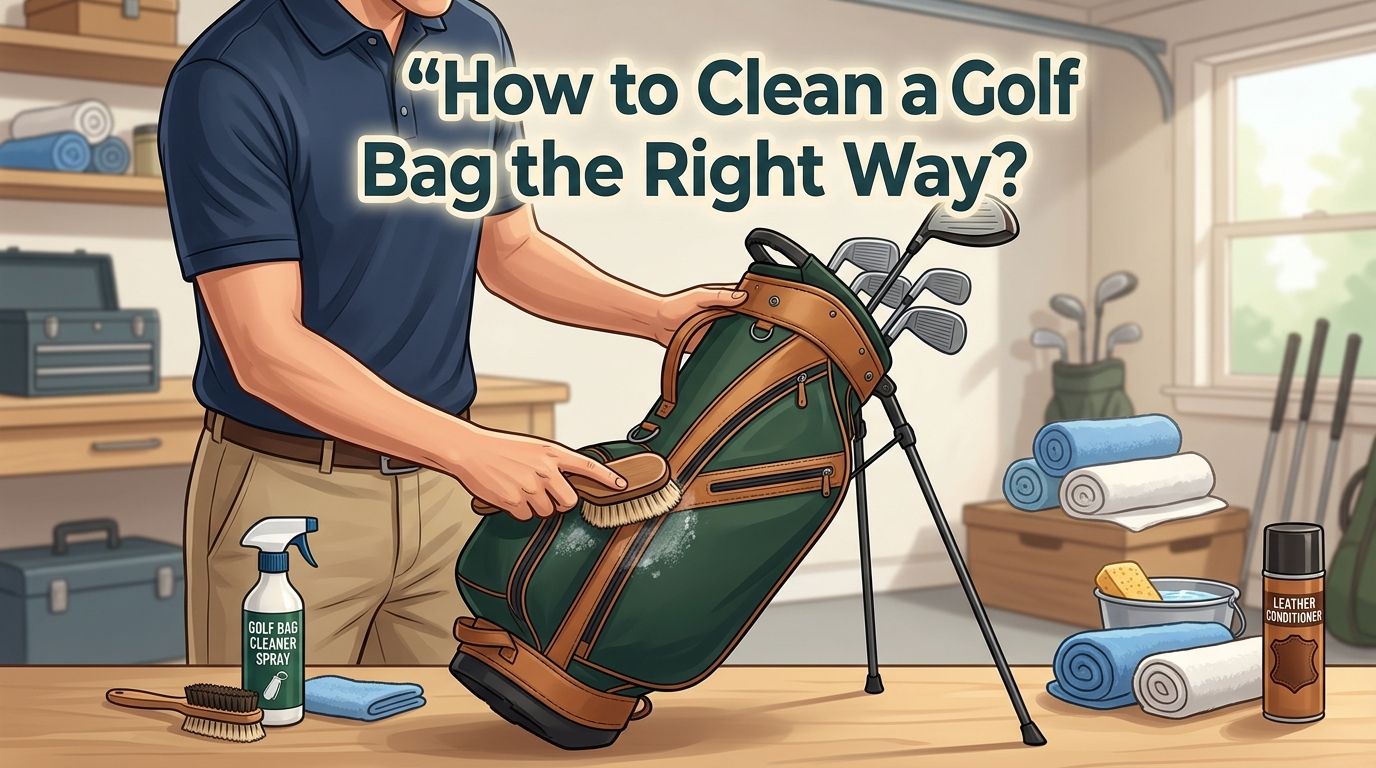
Fill a bucket with warm water and add a few drops of mild dish soap. Dip a soft sponge or microfiber cloth into the solution. Wring out excess water so the cloth is damp, not soaking wet.
Wipe down the entire exterior surface in small sections. Use gentle circular motions and apply light pressure. Focus on high contact areas like the base, handles, and strap attachment points where grime builds up fastest.
Rinse your cloth often in clean water to avoid spreading dirt. After washing, wipe the bag down with a clean, damp cloth to remove any soap residue.
Pros: Soap and water is cheap, safe, and effective on synthetic fabrics. Cons: This method may not fully remove deep or old stains without extra spot treatment.
How to Clean a Leather or Synthetic Leather Golf Bag
Leather and synthetic leather bags need a gentler approach than nylon or polyester. Harsh scrubbing or strong cleaners can crack, dry out, or discolor the material.
Use a damp microfiber cloth with a tiny amount of mild soap. Wipe the leather surface gently in straight lines. Do not soak the leather or let water pool on the surface. Excess moisture can warp and stain leather permanently.
For synthetic leather (also called PU leather), the process is similar. These bags handle water slightly better, but you should still avoid oversaturating the material. Always test your cleaning solution on a small, hidden area first to check for discoloration.
After cleaning, apply a leather conditioner to genuine leather bags. This keeps the material soft and prevents cracking over time.
Pros: Gentle cleaning preserves the premium look and feel of leather. Cons: Leather bags require more careful handling and an extra conditioning step.
How to Remove Stubborn Stains From a Golf Bag
Some stains need more than soap and water. Grass stains respond well to a paste made from baking soda and water. Apply the paste to the stain, let it sit for 10 to 15 minutes, and then scrub gently with a soft brush.
For ink stains, rubbing alcohol on a cotton ball can lift the mark. Dab the stain lightly instead of rubbing hard. Test this on a hidden area first because alcohol can affect certain fabrics.
Mud and clay stains are easiest to remove once they dry completely. Brush off the dried mud first and then clean the remaining mark with your soap and water solution.
White golf bags present a unique challenge. A paste of baking soda and water or an oxygen based cleaner like OxiClean can brighten white surfaces without bleach.
Pros: Spot treatment saves time by targeting specific problem areas. Cons: Some methods like rubbing alcohol carry a small risk of discoloration on certain materials.
How to Get Rid of Mold and Mildew on a Golf Bag
Mold and mildew grow when a wet golf bag sits in a warm, enclosed space like a car trunk or garage. The first step is to take the bag outside to avoid spreading spores indoors.
Mix equal parts white vinegar and water in a spray bottle. Spray the affected areas generously and let the solution sit for 15 to 20 minutes. White vinegar kills most mold and mildew on contact.
Scrub the treated areas with a soft brush or old toothbrush. Work in small sections and rinse your brush often. After scrubbing, wipe the area with a clean damp cloth to remove the vinegar solution.
For severe mold, you can use a diluted bleach solution (one part bleach to ten parts water) on nylon or polyester bags only. Never use bleach on leather. Apply the solution, wait no longer than 10 minutes, and rinse thoroughly.
Pros: Vinegar is a safe, natural, and effective mold killer. Cons: Severe mold may require bleach, which can fade colors on some fabrics.
How to Eliminate Bad Odors From Your Golf Bag
A smelly golf bag is a common problem, especially in hot and humid weather. The easiest fix is baking soda. Pour half a cup of baking soda into the main compartment and each pocket.
Let the baking soda sit overnight or for at least 8 hours. It absorbs moisture and neutralizes odors naturally. Vacuum or shake out the baking soda the next day.
For lingering smells, stuff the bag with crumpled newspaper for 24 hours. Newspaper absorbs moisture and odors surprisingly well. You can also place activated charcoal bags inside the pockets for ongoing freshness.
Avoid using air fresheners or perfumed sprays inside your golf bag. These products mask odors temporarily but do not remove the source. They can also leave sticky residue on your clubs and gear.
Pros: Baking soda is inexpensive, readily available, and very effective at odor removal. Cons: It takes several hours to work, so you need to plan ahead.
How to Clean Golf Bag Zippers and Hardware
Zippers are often the first part of a golf bag to fail. Dirt, sand, and grime get stuck in the zipper teeth and cause them to jam or break.
Use an old toothbrush dipped in soapy water to scrub along both sides of each zipper. Work the brush back and forth to dislodge trapped particles. Rinse with a damp cloth and dry the zippers completely.
After cleaning, apply a small amount of zipper lubricant or beeswax to the teeth. Run the zipper back and forth several times to distribute the lubricant evenly. This keeps zippers sliding smoothly for months.
For metal hardware like buckles, clips, and D rings, wipe them with a damp cloth and dry immediately to prevent rust. A light coat of car wax on metal parts adds extra protection.
Pros: Regular zipper maintenance extends the life of your bag significantly. Cons: Zipper lubricant is an extra purchase, but a single tube lasts years.
How to Properly Dry Your Golf Bag After Cleaning
Drying is just as important as cleaning. Leftover moisture causes mold, mildew, and fabric damage. Never skip this step.
After cleaning, use a dry towel to pat down the entire bag inside and out. Absorb as much water as possible before air drying. Open all pockets and flaps to allow air circulation.
Place the bag in a well ventilated area out of direct sunlight. Direct sun can fade colors and dry out leather. A covered patio, open garage, or shaded outdoor spot works best.
Let the bag dry for at least 6 to 8 hours before putting anything back inside. You can speed up the process by pointing a fan at the bag or placing it near an open window.
Pros: Air drying is free and safe for all bag materials. Cons: It takes several hours, so plan your cleaning day accordingly.
How to Maintain Your Golf Bag Between Deep Cleans
You do not need to do a full deep clean after every round. A few quick habits keep your bag in great shape between thorough washings.
After each round, shake out loose grass and sand from the main compartment. Use a dry towel to wipe down the exterior, especially the base. This takes less than two minutes.
Store your golf bag in a cool, dry place away from direct sunlight and extreme temperatures. Avoid leaving it in your car trunk for extended periods. Heat and humidity inside a closed trunk create perfect conditions for mold growth.
Keep a small microfiber cloth in your golf bag for quick wipe downs during the round. This is especially helpful on rainy or muddy days.
Check your zippers and straps every few weeks for early signs of wear. Catching small problems early prevents costly damage later.
Pros: Quick maintenance takes minimal time and prevents major cleaning projects. Cons: It requires building a new habit, which takes a few weeks to become routine.
How to Clean a White Golf Bag Without Ruining It
White golf bags look sharp on the course, but they show every speck of dirt and every scuff mark. Cleaning white bags requires a bit more care and attention.
Start with the standard soap and water method described above. For marks that remain, make a paste with baking soda and water. Apply it to the stained area, let it sit for 10 minutes, and scrub gently with a soft cloth.
An oxygen based cleaner mixed with warm water also works well on white bags. Soak a cloth in the solution and lay it over the stain for 15 to 20 minutes before wiping clean.
Magic erasers can remove scuff marks on white synthetic surfaces. Use light pressure and test on a hidden area first because these erasers are mildly abrasive.
Pros: Multiple safe options exist for whitening without bleach. Cons: White bags need cleaning more often than darker bags to stay looking fresh.
How Often Should You Clean Your Golf Bag
The answer depends on how frequently you play and the conditions you play in. A good rule of thumb is one deep clean per month during the golf season.
If you play in rain, mud, or sandy conditions regularly, you may need to clean your bag every two weeks. Golfers who play in dry conditions can stretch deep cleans to every six weeks.
A quick wipe down after each round is the single most effective thing you can do. This habit alone reduces the need for deep cleaning significantly.
At the end of the golf season, give your bag a thorough deep clean before storing it for the off season. Make sure it is completely dry before putting it away. Store it with a bag of baking soda inside to keep odors at bay during storage.
Pros: Regular cleaning preserves the bag’s appearance and extends its lifespan. Cons: Monthly cleaning adds a small time commitment, but it saves money in the long run by delaying replacement.
Frequently Asked Questions
How to Clean a Golf Bag in a Washing Machine?
Most golf bag manufacturers advise against machine washing. The agitation and spin cycle can damage zippers, tear fabric, and warp structural supports. Stick to hand washing with warm soapy water and a soft cloth. Machine washing may seem faster, but the risk of permanent damage is not worth it.
How to Clean Golf Bag Straps That Smell Bad?
Remove the straps if they are detachable. Soak them in a bucket of warm water with mild soap and a splash of white vinegar for 30 minutes. Scrub with a soft brush, rinse thoroughly, and air dry completely. For non removable straps, wipe them down with the same solution using a cloth.
How to Clean a Golf Bag That Got Rained On?
Open all pockets and dry the bag as quickly as possible. Use towels to absorb standing water. Place the bag in a ventilated area with a fan pointed at it. Sprinkle baking soda inside to absorb moisture and prevent mildew. Once dry, follow the standard cleaning steps if stains appeared.
How to Remove Pen or Marker Stains From a Golf Bag?
Dab the stain with a cotton ball soaked in rubbing alcohol. Do not rub hard because this can spread the ink. Blot repeatedly with a clean section of the cotton ball until the stain lifts. Test rubbing alcohol on a hidden spot first to check for color damage.
How to Keep a Golf Bag Smelling Fresh All Season?
Place activated charcoal pouches or dryer sheets inside your bag between rounds. Shake out debris after every round and never store a wet bag in an enclosed space. A monthly baking soda treatment inside the pockets also keeps odors under control effectively.

Hi, I’m Luna Beck — the founder and voice behind Urban Pack Vault. I’m passionate about helping people find bags that perfectly match their lifestyle. From backpacks to travel luggage, I research, review, and recommend so you never have to second-guess your next purchase.