How To Remove Ink Stains From A Canvas Backpack?
Ink stains on a canvas backpack can feel like a small disaster. One leaky pen and suddenly your favorite bag looks ruined.
But don’t panic just yet. Most ink stains can be treated at home with items you already own.
This guide will show you simple, effective ways to tackle ink marks on canvas. You will learn how rubbing alcohol, hairspray, and even hand sanitizer can break down ink before it sets in.
We will also cover why blotting works better than rubbing, and how pretreating with detergent makes a real difference.
In a Nutshell
- Act fast. Fresh ink stains come out easier than old, set-in marks. The longer ink sits, the harder it clings to canvas fibers.
- Use rubbing alcohol as your first line of defense. Dab it onto the stain with a cotton swab or lint-free cloth.
- Try hairspray or hand sanitizer as backup solvents. Both contain alcohol that breaks down ink pigments.
- Always blot, never rub. Rubbing spreads ink further into the canvas and makes the stain bigger.
- Pretreat with detergent like Tide before washing. This step loosens stubborn ink that solvents alone might miss.
- Skip straight to washing and you risk setting the stain permanently. Solvent treatment must come first.
- This method works on both exterior and interior surfaces. It also helps with canvas wallets and similar items.
What Causes Ink Stains On Canvas And Why They’re Tricky
Ink stains on canvas are stubborn because of how ink particles bond to fabric fibers. When a pen leaks or breaks inside your backpack, the ink doesn’t just sit on the surface. It actually penetrates the canvas weave and can seep into multiple layers.
Canvas material is naturally porous. This means ink finds plenty of tiny spaces to settle into. The fibers grab onto ink molecules quickly, which is why fresh stains are easier to remove than old ones. Once ink dries and sets, the particles bond even stronger to the fabric.
Why they’re tricky to remove comes down to this simple fact: water alone won’t dissolve ink. When you wash your backpack with regular detergent and water, the stain often stays put. Some people think a second or third wash will help. It won’t. In fact, repeated washing without solvent treatment can actually set the stain deeper into the canvas.
Light colored backpacks show ink stains more obviously than dark ones. A beige or cream canvas bag will display even small marks prominently. This makes the stain feel more urgent to fix, which is actually good. You’ll catch it faster and have a better chance of removing it completely.
The location of the stain matters too. Ink on the exterior canvas is straightforward to treat. Interior stains are trickier because you have less access and visibility. Pen leaks often damage both surfaces at once, so you may need to treat inside and outside separately.
The key takeaway is that ink stains need special solvents to break the bond between ink particles and canvas fibers. Regular washing skips this crucial step. Understanding why ink sticks so firmly to canvas helps you approach removal correctly. This knowledge guides every step you’ll take to restore your backpack.
Essential Supplies You’ll Need Before You Start
Gathering the right supplies before you start makes ink stain removal faster and more effective. You won’t waste time searching for items mid-process.
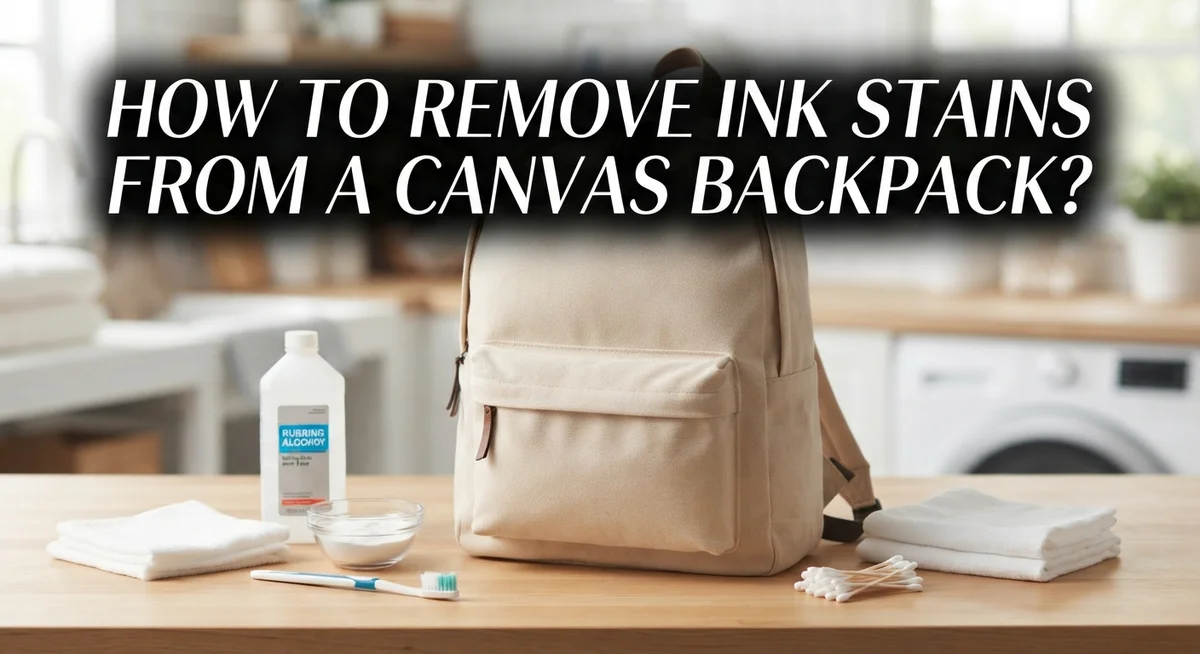
Rubbing alcohol is your primary weapon against ink stains. Look for bottles labeled 70 to 91 percent isopropyl concentration. This solvent breaks down ink particles and lifts them away from canvas fibers. Keep a bottle in your cleaning kit.
Hairspray works as a solid backup option. Many hairsprays contain alcohol, which dissolves ink effectively. Test it on a hidden area first to ensure it won’t damage your backpack’s color or finish.
Hand sanitizer also contains alcohol and can remove fresh ink marks. Gel or liquid forms both work, though liquid spreads more easily across the stain.
You’ll need cotton swabs and lint free cloths to apply these solvents. Cotton swabs let you target small, precise stains without spreading liquid everywhere. Lint free cloths prevent fibers from sticking to your backpack during treatment.
Laundry detergent matters for the pretreatment step. A standard liquid detergent works well for this purpose. You’ll apply it directly to the stain before washing.
A small bowl or container holds your chosen solvent while you work. This prevents spilling and keeps your workspace organized.
Paper towels absorb excess liquid and help you blot the stain. Have plenty on hand since you’ll go through several during treatment.
Warm water completes your supply list. You’ll use it for rinsing and for mixing with detergent if needed.
Organize these items on a flat surface before starting. Having everything within arm’s reach means you stay focused on removing the stain rather than hunting for supplies. This preparation step takes just two minutes but saves frustration later.
Step-By-Step: Removing Fresh Ink Stains
Start by blotting the fresh ink stain with a clean, lint-free cloth. Press gently to absorb excess ink without spreading it further into the canvas fibers.
Pour your chosen solvent (rubbing alcohol works best) into a small bowl. Dip a cotton swab into the liquid and apply it directly to the stain. Work from the outer edges toward the center to prevent the stain from expanding.
Blot the area with a fresh cloth after applying solvent. You should see ink transfer onto the cloth. This means the solvent is breaking down the ink particles and lifting them away from the canvas.
Repeat the solvent application and blotting process 3 to 5 times. Each pass removes more ink. Continue until the cloth shows less and less color transfer with each blot.
If rubbing alcohol isn’t working, switch to hairspray or hand sanitizer. These contain alcohol and can be equally effective on fresh stains. Apply the same blotting technique.
Once the stain lightens significantly, rinse the area with cool water. Use a damp cloth to remove any remaining solvent residue. This prevents the solvent from drying into the fabric and potentially causing discoloration.
Let the backpack air dry completely before moving to the washing step. Never use heat like a dryer or iron at this stage, as heat can set any remaining ink into the canvas permanently.
After air drying, pretreat the area with laundry detergent. Rub a small amount directly onto the stain and let it sit for 10 to 15 minutes. This breaks down any ink particles the solvent missed.
Wash your backpack normally in cool water. Check the stain before drying. If traces remain, repeat the solvent treatment before attempting another wash cycle.
How To Treat Old Or Set-In Ink Stains
Old ink stains require a different approach than fresh marks. The ink has already bonded deeply to the canvas fibers, so water and detergent alone won’t work. You need to break that bond first with a solvent.
Start by checking if the stain is truly set in. Old stains look darker and feel like part of the fabric rather than sitting on the surface. These stains have had time to penetrate the canvas material completely.
Apply rubbing alcohol directly to the stain using a cotton swab or lint-free cloth. Use the 70 to 91 percent isopropyl variety for best results. Let the solvent sit on the stain for 30 seconds to one minute. This waiting time allows the alcohol to penetrate and begin dissolving the ink particles.
Blot gently with a fresh cloth. This step matters more than you might think. Rubbing spreads the stain further into the canvas instead of lifting it out. Press down and lift up repeatedly rather than scrubbing side to side.
Repeat this process five to seven times for old stains. Each cycle should show some improvement. The stain will gradually lighten as more ink transfers to your cloth. If rubbing alcohol isn’t making progress after several attempts, switch to hairspray or hand sanitizer.
Once the stain lightens noticeably, rinse the area with cool water to remove solvent residue. Let your backpack air dry completely. This drying step is important because it stops the stain removal process and prevents the ink from re-bonding.
After air drying, pretreat the area with laundry detergent. Rub the detergent directly into the fabric. Wait 15 to 20 minutes, then wash your backpack normally in cool water.
Set-in stains often need this solvent treatment before any washing will work effectively. Skipping the solvent step and washing repeatedly just wastes time and water.
Cleaning Ink From The Backpack’s Interior
Ink stains on your backpack’s interior need specific treatment because they sit in a confined space. The fabric inside your bag absorbs ink quickly, making removal harder than exterior stains.
Start by examining the stain carefully. Check if the ink has dried completely or if it’s still wet. This matters because your approach changes based on how long the stain has been there.
For interior stains, apply your chosen solvent directly to a cotton swab or lint-free cloth. Reach into the backpack and gently press the cloth against the stained area. Hold it there for a few seconds to let the solvent penetrate the canvas fibers.
Blot the stain gently without rubbing. Rubbing spreads the ink deeper into the fabric and makes removal much harder. Use a fresh cloth for each blotting motion to avoid transferring ink back onto the canvas.
If the interior stain is stubborn, repeat the solvent application five to seven times. Wait a few seconds between applications to give the liquid time to break down the ink. You may notice the stain transferring onto your cloth, which means the treatment is working.
Once the stain lightens noticeably, rinse the interior area with cool water. Use a slightly damp cloth to remove solvent residue. This prevents the chemical from sitting on the fabric and potentially causing discoloration.
Let the interior dry completely before proceeding. Open your backpack fully and leave it in a well-ventilated area for several hours. This allows moisture to escape from the interior pockets and compartments.
After drying, pretreat the stain area with laundry detergent. Rub a small amount directly onto the spot and let it sit for 10 to 15 minutes. Then wash your backpack normally in cool water to complete the removal process.
Mistakes That Make Ink Stains Worse
Rubbing instead of blotting is the biggest mistake people make. When you rub an ink stain, you push the ink deeper into the canvas fibers. The stain spreads across a larger area and becomes harder to remove.
Blotting is completely different from rubbing. Press your cloth gently onto the stain and lift it away. Let the solvent do the work, not your hand’s pressure. This method lifts ink off the surface instead of grinding it into the fabric.
Repeated washing without solvent treatment is another critical error. Many people think washing their backpack multiple times will remove the stain. This actually sets old stains permanently into the canvas. Detergent alone cannot break down dried ink particles.
You must use a solvent first. Rubbing alcohol, hairspray, or hand sanitizer breaks down ink chemically. Only after solvent treatment should you wash your backpack normally. Skipping this step means the stain stays locked in the fibers forever.
Waiting too long before treating the stain creates serious problems. Fresh ink stains come out easily with quick action. Old, set-in stains require five to seven applications of solvent instead of three to five. The longer you wait, the deeper the ink bonds to your canvas.
Using hot water is another common mistake. Hot water can set ink stains permanently into fabric. Always use cool water for rinsing and washing your backpack.
Applying too much solvent at once reduces effectiveness. A small amount on a cotton swab or lint-free cloth works better than soaking the area. Excess liquid spreads the stain sideways across the canvas.
Finally, skipping the air-drying step between solvent treatment and washing wastes your effort. Air drying allows the solvent to fully break down the ink. Rushing straight to the washing machine can reactivate remaining ink particles and spread them again.
Troubleshooting Stubborn Stains On Light-Colored Canvas
Light colored canvas shows every mark, which means ink stains stand out immediately. The good news is that light backpacks actually make it easier to see your progress as you treat the stain.
Assess the stain’s age first. Fresh ink stains come off faster than old ones. Press a clean cloth against the stain to see if any color transfers. This tells you how much ink remains on the surface versus what has already seeped into the fibers.
For light canvas, use a clear solvent so you can watch the ink transfer onto your cloth. This visibility helps you know when to stop treating. Apply your solvent to a cotton swab and work from the stain’s outer edges toward the center. This prevents the stain from spreading outward across your backpack.
Light canvas requires extra care with liquid application. Use just enough solvent to dampen your cloth, not soak it. Excess liquid can leave water rings or marks on beige or cream colored fabric. Blot gently and check your progress frequently. You may need fewer repetitions than darker fabrics because the stain shows clearly.
After solvent treatment, rinse thoroughly with cool water. Light canvas can show residue or discoloration if you skip this step. Use a separate damp cloth with plain water and blot multiple times until no solvent smell remains.
Let the area air dry completely before washing. Damp light canvas can develop mildew spots or odors if you rush this step. Once dry, pretreat with laundry detergent and wash normally.
Watch for shadow stains on light backpacks. Sometimes ink appears to vanish but leaves a faint outline. This happens when the stain wasn’t completely removed. Repeat the solvent treatment if you notice this, then rinse and dry again before washing. Patience with light colored canvas prevents permanent marks.
Final Thoughts
Removing ink stains from a canvas backpack does not need to feel impossible. With the right approach, you can save your bag from looking ruined.
The key is acting fast and using the right solvent. Rubbing alcohol, hairspray, and hand sanitizer all work well to break down ink.
Remember to always blot instead of rub. This simple habit prevents ink from spreading deeper into the fabric fibers.
Pretreatment matters just as much as the solvent itself. Skipping this step and washing right away often sets the stain permanently. Always treat first, then wash.
Old stains need more patience than fresh ones. You might need several rounds of solvent application before you see real progress.
This applies whether the stain sits on the exterior or interior of your backpack. Both surfaces respond well to the same blotting method.
Light colored canvas backpacks need extra attention. Stains show up clearly on beige or white fabric, so work carefully and check your progress often.
Your backpack is not just for carrying things. It holds books, laptops, gym gear, and daily essentials, so keeping it clean matters for both looks and hygiene.
The techniques covered here also work on other canvas items. Wallets, tote bags, and pouches respond to the same solvent and blotting method.
Consistency makes the biggest difference. One quick treatment rarely solves an old, set-in stain completely.
Patience pays off here. Multiple gentle applications beat one aggressive attempt every time.
Test any solvent on a small hidden area first. This protects your backpack from unexpected discoloration or damage.
With the right steps, most ink stains can fade significantly or disappear completely. Your canvas backpack can look fresh again with just a little effort and the right method.
Frequently Asked Questions
Can I remove ink stains from the inside of my backpack?
Yes, absolutely. Ink stains on interior surfaces respond just as well to solvent treatment as exterior stains do. The process stays the same: apply rubbing alcohol or hand sanitizer to a cloth, blot the stain gently, and let it air dry. Interior stains often go unnoticed until you reach into a pocket, so check inside regularly. The key is catching the stain early before it sets into the fabric.
Will washing my backpack alone get rid of old ink stains?
No. Multiple wash cycles without solvent treatment will not remove established stains. In fact, repeated washing can actually set old stains deeper into the canvas fibers. You must use a chemical solvent first to break down the ink. Only after the solvent does its work should you wash your backpack normally. This two step approach works because solvents dissolve ink, while water alone cannot.
What should I do if an ink stain leaves a faint shadow after treatment?
Light colored canvas sometimes shows a ghost outline even after the ink transfers away. This shadow stain requires patience. Apply solvent again and blot thoroughly. Rinse with cool water and air dry completely. If a faint mark remains, repeat the process one more time. Avoid rushing to the washing machine, as this can lock the shadow into the fabric permanently.
Does this ink removal method work on other canvas items?
Yes. Wallets, tote bags, and other canvas goods respond well to the same solvent treatment. The blotting technique and air drying steps apply across all canvas surfaces. Canvas fabric’s weave makes it ideal for this cleaning method, whether your item is a backpack or something else entirely.

Hi, I’m Luna Beck — the founder and voice behind Urban Pack Vault. I’m passionate about helping people find bags that perfectly match their lifestyle. From backpacks to travel luggage, I research, review, and recommend so you never have to second-guess your next purchase.