Why Does My Backpack Smell Like Sweat?
You toss your backpack down after a long day, and suddenly you catch that smell. It’s sharp, stale, and unmistakably sweaty. Sound familiar?
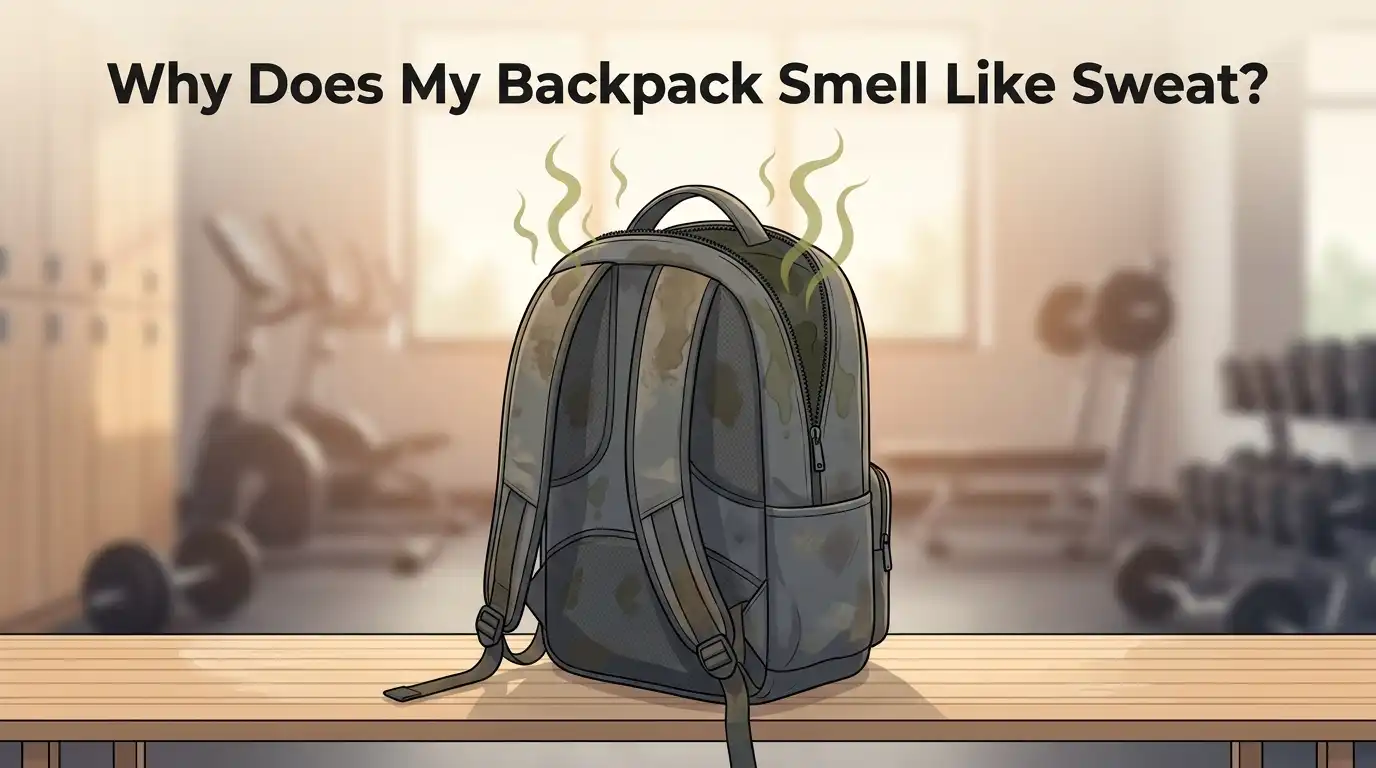
Your backpack smells like sweat because sweat, dirt, and grime build up over time, especially in areas that press against your body. The straps and back panel are the biggest culprits. Bacteria thrive in those damp, warm spots and produce the odor you’re noticing.
The good news? This is a very common problem, and it’s completely fixable.
In this article, you’ll learn exactly why your backpack develops that sweat smell and what you can do about it. We cover simple cleaning methods, natural deodorizing techniques, and the most common mistakes people make when trying to freshen up their bags.
In a Nutshell
- Sweat, dirt, and grime build up inside your backpack over time, especially in areas that press against your body.
- The back panel and shoulder straps are the biggest problem spots because they absorb the most sweat.
- Washing your backpack with warm water and laundry detergent, then rinsing it thoroughly, removes most of the odor.
- Baking soda is one of the fastest ways to neutralize a sweat smell. Seal it inside your backpack for 2 to 3 days and it draws out the odor.
- White vinegar works well too because it kills the bacteria that cause the smell in the first place.
- Always air dry your backpack completely after cleaning, ideally in the sun for 1 to 2 days. Skipping this step is one of the most common mistakes people make.
Why Backpacks Develop a Sweat Smell
Your backpack develops a sweat smell because moisture, bacteria, and organic material get trapped inside the fabric. When you wear your pack, sweat soaks into the back panel and shoulder straps. This moisture creates the perfect environment for bacteria to grow and multiply.
The problem gets worse over time. Sweat mixes with dirt, dust, and body oils. These substances don’t just sit on the surface. They penetrate deep into the fabric fibers where they’re hard to reach. The longer your backpack sits without cleaning, the more the smell intensifies.
Certain areas are worse than others. The back panel bears your body weight directly. Shoulder straps absorb sweat from your neck and shoulders. The bottom of the pack collects dirt and grime from the ground. These spots accumulate more odor causing materials than other areas.
Heat makes the problem worse. When your backpack sits in a warm car or sunny spot, bacteria multiply faster. Humidity traps moisture inside, preventing it from evaporating naturally. This creates a stale, musty smell that’s hard to ignore.
You might also notice the smell gets stronger after rain. Wet fabric holds moisture longer. Bacteria thrive in damp conditions. If your backpack gets wet and doesn’t dry properly, the smell can become really intense.
The good news is that this buildup is completely preventable. Regular airing out helps. Quick rinses after use stop bacteria from establishing itself. Proper drying prevents moisture from getting trapped. Understanding why the smell happens makes it much easier to stop it before it becomes a real problem.
Where Sweat and Odor Concentrate on a Backpack
Sweat and odor don’t spread evenly across your backpack. They concentrate in specific areas where moisture builds up the most.
The back panel is the primary hotspot. This area presses directly against your body during use, so it absorbs the most sweat. Moisture soaks into the fabric and stays trapped there. Heat from your back makes the problem worse because it creates the perfect environment for bacteria to grow.
Your shoulder straps are another major concentration point. They sit against your skin for hours, absorbing sweat from your shoulders and neck. The underside of the straps tends to smell stronger than the outer surface because moisture gets trapped between the strap and your body.
The interior bottom of your backpack also traps sweat and odor. When you set your pack down after use, moisture settles at the lowest point. Dirt and grime mix with sweat here, creating a stubborn smell that’s harder to remove.
The seams and stitching collect sweat too. These tight areas hold moisture longer than flat fabric sections. Bacteria love growing in seams because they stay damp even after the rest of the pack dries.
Zippered pockets and compartments can trap odor inside. Air doesn’t circulate well in these enclosed spaces, so sweat smell builds up and lingers.
When you clean your backpack, focus on these problem areas first. Scrub the back panel, straps, and seams with extra attention. These spots need more aggressive cleaning and longer drying time to fully eliminate the sweat smell. Targeting these zones makes your cleaning efforts much more effective.
How to Properly Wash a Smelly Backpack
Start by letting your backpack air out in a well ventilated space for a few hours before you begin cleaning. This helps release some of the trapped odor naturally and makes the washing process more effective.
Fill a bathtub or large basin with cold water and rinse your backpack thoroughly. Do this three times to remove surface dirt and debris. Make sure water runs clear on the final rinse.
Next, fill the same basin with warm water and add laundry detergent. Submerge your backpack and let it soak for 15 to 20 minutes. This allows the detergent to penetrate the fabric and break down sweat residue.
After soaking, use a soft brush or cloth to scrub the areas where sweat concentrates most. Focus on the back panel, shoulder straps, and interior bottom. Pay special attention to seams and stitching where bacteria hide.
Rinse your backpack again with cold water multiple times until no soap bubbles remain. Incomplete rinsing leaves detergent residue that can trap more odor.
For the final wash, add one cup of white vinegar to warm water and rinse your backpack one more time. Vinegar kills odor causing bacteria and neutralizes any remaining smell.
Hang your backpack in direct sunlight with the strap side facing up. Allow it to air dry completely for 1 to 2 days. Sun exposure naturally disinfects the fabric and eliminates odor.
Never use a dryer or apply heat to your backpack, as this can damage the material and set stains permanently. Patient air drying ensures your backpack comes out fresh and ready for your next adventure.
How to Deodorize Your Backpack with Baking Soda
Baking soda is one of the fastest ways to neutralize sweat odor in your backpack. This simple household item works by absorbing moisture and neutralizing the acids that cause bad smells.
Here’s how to use baking soda effectively. First, make sure your backpack is dry before starting. Sprinkle baking soda generously inside all compartments, pockets, and along the interior seams where sweat concentrates most.
Pay special attention to the back panel and shoulder straps. These areas trap the most moisture and bacteria. Don’t forget the bottom interior section, as sweat pools there during use.
Once you’ve sprinkled the baking soda, seal your backpack completely. You can zip it closed or place it in a sealed bag or container. Leave it untouched for 2 to 3 days while the baking soda works.
The longer you leave it sealed, the better the results. The baking soda absorbs odor molecules and neutralizes them naturally. This method requires no water or scrubbing, making it perfect for delicate backpacks.
After 2 to 3 days, open your backpack outdoors or in a well ventilated area. Shake out all the baking soda thoroughly. You can use a soft brush to help remove powder from seams and fabric texture.
This technique works best when combined with proper air drying. Let your backpack air out in sunlight for several hours after removing the baking soda. Sunlight naturally kills odor causing bacteria and helps evaporate any remaining moisture.
If the smell persists after this treatment, repeat the process or combine it with a vinegar rinse for stronger results. Most backpacks respond well to the baking soda method alone.
Using White Vinegar to Eliminate Odor-Causing Bacteria
White vinegar is a powerful natural solution for killing the bacteria that causes your backpack to smell like sweat. The acidic nature of vinegar breaks down odor molecules and eliminates the source of the problem rather than just masking it.
Here’s how to use white vinegar effectively. Add one cup of white vinegar to warm water in a large basin or bathtub. Submerge your backpack and let it soak for about 15 to 20 minutes. This allows the vinegar solution to penetrate the fabric and reach bacteria hiding in fibers.
After soaking, use a soft cloth or brush to gently scrub the areas where sweat concentrates most. Pay special attention to the back panel, shoulder straps, and interior bottom. The vinegar solution works best when it makes direct contact with these problem spots.
Rinse your backpack thoroughly with clean water multiple times. You want to remove all vinegar residue, though a slight vinegar smell may linger temporarily. This smell disappears completely once your backpack dries.
The key advantage of vinegar is that it targets odor causing bacteria at the source. Unlike masking agents, vinegar actually eliminates the problem. This makes it ideal for backpacks with stubborn, persistent odors.
For best results, combine the vinegar rinse with proper air drying. Hang your backpack in direct sunlight with the strap side facing up. Sunlight acts as a natural disinfectant and speeds up the drying process.
If your backpack still smells after one vinegar treatment, repeat the process. You can also combine vinegar rinsing with baking soda deodorizing for even stronger odor elimination. This two step approach tackles bacteria from multiple angles and gives you fresher results faster.
How to Dry Your Backpack Correctly After Cleaning
Proper drying is crucial after you clean your backpack. Moisture trapped inside creates the perfect environment for bacteria and mold to grow. This means your backpack will smell worse instead of better.
Start by squeezing out excess water gently. Do not wring or twist your backpack, as this can damage the fabric and straps. Press the material firmly with your hands to release as much moisture as possible.
Next, position your backpack in a location with excellent air circulation. Open all pockets and compartments completely. This allows air to flow through every area where moisture hides.
Direct sunlight is your best drying tool. Place your backpack outside with the strap side facing upward. The sun’s UV rays naturally kill bacteria while heat evaporates moisture. Leave it in sunlight for one to two full days if possible.
If you cannot use sunlight, hang your backpack indoors near a fan or open window. Never use a dryer or heat source like a radiator. High heat can shrink the fabric and damage waterproof coatings.
Check your backpack periodically during drying. Gently rotate it so all sides receive equal air exposure. Pay attention to thick seams and padded areas, which dry more slowly than flat sections.
Do not rush the drying process. Incomplete drying is a common mistake that leaves odors behind. Your backpack needs at least 24 to 48 hours of thorough air drying. Once completely dry, your backpack is ready to use again with confidence.
Common Mistakes That Make Backpack Odor Worse
Many people make mistakes that actually make their backpack smell worse instead of better. Understanding what NOT to do is just as important as knowing what to do.
Storing your backpack while it’s still damp is one of the biggest errors. When moisture stays trapped inside, bacteria multiply rapidly. This creates a stronger, more stubborn odor that’s harder to remove later. Always ensure your backpack is completely dry before storing it away.
Another common mistake is skipping the interior and straps during cleaning. Most people focus only on the main fabric. However, sweat concentrates heavily on the back panel, shoulder straps, and underarm areas. These spots need extra attention with scrubbing and rinsing. Ignoring them means the smell will return quickly.
Using only one rinse is insufficient. Soap and detergent residue can trap bacteria and odors if not completely removed. You need to rinse your backpack at least three times with clean water to eliminate all cleaning products.
Placing your backpack in an enclosed space too soon is also problematic. Some people seal their backpack immediately after cleaning or spraying deodorant. This traps moisture and prevents air circulation. Your backpack needs to breathe in open air before being stored.
Rushing the drying process creates lasting problems. Hanging your backpack in a dark corner for a few hours isn’t enough. Bacteria can survive in damp conditions and continue producing odor.
Finally, many people forget to air out their backpack before cleaning starts. A few hours of fresh air helps remove surface moisture and loose bacteria. This simple step makes your entire cleaning process more effective and prevents odors from setting deeper into the fabric.
How to Prevent Your Backpack from Smelling Like Sweat Again
Your backpack doesn’t have to smell like sweat ever again. The key is using simple prevention methods after you clean it. These strategies stop odors from coming back before they start.
Baking soda is your fastest friend for prevention. After your backpack dries completely, sprinkle baking soda inside the main compartment and all smaller pockets. Seal the backpack and let it sit for two to three days. The baking soda absorbs moisture and neutralizes odor causing bacteria naturally.
Store your backpack in a dry, cool location away from humidity. Moisture feeds the bacteria that create sweat smells. Keep your backpack in a closet or shelf where air can circulate around it freely.
Air out your backpack regularly between uses. Don’t stuff it away immediately after your hike or workout. Leave it open in a well ventilated area for at least a few hours. This simple step prevents sweat from settling into the fabric.
Use dryer sheets as a quick maintenance tool. Place one or two inside your backpack and seal it overnight. The sheets freshen the interior without chemicals.
Wash your backpack every few months, not just when it smells bad. Regular cleaning prevents odor buildup from happening in the first place. This is much easier than dealing with stubborn smells later.
Consider what you pack inside your backpack too. Damp gym clothes or sweaty items left inside create odors fast. Remove items immediately after use and store them separately.
These prevention methods work together to keep your backpack fresh and clean. Start with baking soda and regular airing, then add the other techniques as needed. Your backpack will stay odor free with minimal effort.
Final Thoughts
Your backpack smells like sweat because bacteria thrive in warm, damp fabric. Every hike or workout deposits sweat, dirt, and grime deep into the material. Over time, that buildup creates a persistent odor that simple airing out cannot fix.
The good news is that this problem is completely solvable. You now understand exactly why the smell happens and what to do about it.
Start with a thorough rinse in cold water followed by a warm soak with laundry detergent. Scrub the straps and interior lining where sweat concentrates most. These are the areas that create the strongest odors.
For deep odor removal, baking soda and white vinegar are your most effective tools. Baking soda neutralizes odors in 2 to 3 days when sealed inside your backpack. White vinegar kills the odor-causing bacteria living in the fabric.
Always allow adequate drying time. Position your backpack strap-side up in direct sunlight for 1 to 2 days. Rushing this step brings back the smell faster than anything else.
Prevention matters just as much as cleaning. Air out your backpack after every use before storing it. Never pack damp items inside and leave them sitting overnight.
Wash your backpack every few months as regular maintenance. Don’t wait until the smell becomes overwhelming. Staying ahead of the buildup makes each cleaning session much easier.
Consistency is the real solution here. A backpack that gets regular attention stays fresher longer. Small habits like airing it out and using baking soda periodically make a significant difference over time.
Your backpack can smell clean and stay that way with the right routine.
Frequently Asked Questions
Why does my backpack develop a sweat smell in the first place?
Sweat, dirt, and moisture create the perfect home for bacteria. When you use your backpack during physical activity, sweat soaks into the fabric. This moisture stays trapped inside, especially in areas where straps contact your body. Bacteria thrive in warm, damp environments, which is exactly what your backpack becomes after a workout or hike.
The smell intensifies when you store your backpack without letting it dry completely. Moisture gets locked inside, and odor-causing bacteria multiply rapidly.
How long does it take to remove the sweat smell?
The timeline depends on your cleaning method. A basic rinse and air dry takes 1 to 2 days. Using baking soda as a deodorizer is faster—just 2 to 3 days of sitting sealed with the powder inside neutralizes odors effectively.
For deeper cleaning with soaking and multiple rinses, plan for 2 to 3 days total. The final drying step takes the longest. Position your backpack strap-side up in direct sunlight for full odor elimination.
Can I use regular household items to eliminate the smell?
Yes. White vinegar removes odor-causing bacteria very effectively. Add a cup to your wash cycle or use it as a rinse solution. Baking soda works by absorbing odors—sprinkle it inside and seal your backpack for several days.
Dryer sheets also help mask lingering smells when placed in a sealed bag with your backpack. These common household items cost little and work well for most situations.
Should I wash my backpack frequently or only when it smells bad?
Wash every few months as regular maintenance, not just when odors appear. Regular cleaning prevents bacteria buildup and keeps your backpack fresher longer.
Between washes, air out your backpack after each use instead of storing it immediately.

Hi, I’m Luna Beck — the founder and voice behind Urban Pack Vault. I’m passionate about helping people find bags that perfectly match their lifestyle. From backpacks to travel luggage, I research, review, and recommend so you never have to second-guess your next purchase.