Does a Backpack Count as a Carry On? The Complete Guide
You are standing at the airport gate, backpack slung over your shoulder, and a question pops into your head: does a backpack count as a carry on? You are not alone. Millions of travelers ask this question every year, and the answer is not as simple as yes or no.
A backpack can be a carry on, a personal item, or even both depending on its size and your airline’s specific rules. Getting this wrong could mean surprise fees at the gate, forced bag checks, or an awkward standoff with airline staff.
This guide breaks down everything you need to know so you can pack with confidence and board without stress. We will cover airline policies, size limits, budget carrier rules, and step by step solutions to make your backpack work for you on every flight.
In a Nutshell
- Size determines the category. Most major U.S. airlines allow carry on bags up to 22 x 14 x 9 inches. If your backpack fits within these dimensions, it qualifies as your carry on item and goes in the overhead bin. If your backpack is smaller and fits under the seat in front of you, it typically counts as your personal item instead.
- You usually get two bags in the cabin. Airlines like Delta, United, and American allow one carry on bag plus one personal item for most ticket types. A small backpack can serve as your personal item alongside a rolling suitcase.
- Budget airlines have stricter rules. Carriers like Spirit and Frontier only include a personal item with their basic fares. A personal item on Spirit must be no larger than 18 x 14 x 8 inches. Larger backpacks will cost you an extra carry on fee.
- Soft sided backpacks offer flexibility. Unlike rigid suitcases, a backpack can compress and squeeze into sizer bins more easily, giving you a better chance of meeting size requirements.
- Always check your airline’s website before you fly. Rules change frequently. Airlines have been enforcing stricter carry on size limits in 2026, and a bag that worked last year might not pass this year.
- International airlines often have weight limits too. While most U.S. carriers do not weigh carry ons, many international airlines cap carry on weight at 7 to 10 kilograms (roughly 15 to 22 pounds).
Understanding the Difference Between a Carry On and a Personal Item
A carry on and a personal item are two separate bag allowances on most airlines. Your carry on is the larger bag that goes into the overhead bin. Your personal item is the smaller bag that fits under the seat in front of you. A backpack can fill either role.
If your backpack measures close to 22 x 14 x 9 inches, the airline will treat it as your carry on. If it is a compact daypack or laptop bag that easily slides under the seat, it counts as your personal item. The critical factor is size, not the type of bag.
Many travelers assume a backpack automatically qualifies as a personal item. That is a common mistake. A full size hiking backpack or a stuffed 40 liter travel pack will absolutely be classified as a carry on or may even need to be checked.
How Airlines Define Carry On Size Limits
Most major U.S. airlines share a common carry on size standard: 22 x 14 x 9 inches including wheels and handles. This applies to Delta, United, American Airlines, JetBlue, Alaska Airlines, and Southwest. These measurements include any external pockets, straps, or handles on your backpack.
Southwest Airlines is a standout because it allows two free checked bags in addition to carry on and personal item allowances. This gives backpack travelers extra flexibility. JetBlue and Alaska also allow free carry ons on all fare types.
International airlines often differ. For example, British Airways allows carry ons up to 22 x 18 x 10 inches, which is slightly more generous. Qantas caps weight at 7 kilograms for carry on bags on international flights. Always confirm exact measurements on your airline’s official website before packing.
Does Your Backpack Qualify as a Personal Item Instead?
A personal item is a smaller secondary bag you keep under the seat in front of you. Common examples include purses, laptop bags, briefcases, and small backpacks. Most airlines set personal item limits around 18 x 14 x 8 inches, though this varies.
If your backpack is compact enough to slide under the seat, you can use it as your personal item and still bring a separate carry on bag for the overhead bin. This is one of the best strategies for maximizing your cabin luggage.
The key test is simple. If your backpack fits snugly beneath the seat without bulging into the leg space of the passenger behind you, it will pass as a personal item. A standard school backpack or slim laptop backpack usually works. A loaded travel backpack usually does not.
Pros of using your backpack as a personal item:
You keep your hands free. You can still bring a larger carry on bag. You have easy access to your essentials during the flight.
Cons of using your backpack as a personal item:
Limited packing space. You may need to remove bulky items. It can feel cramped under the seat.
Budget Airline Rules You Must Know
Budget carriers handle backpacks very differently from full service airlines. Spirit Airlines and Frontier Airlines only include one personal item with their cheapest fares. A carry on bag costs extra, often between $35 and $99 depending on when and how you purchase it.
Spirit allows a personal item of 18 x 14 x 8 inches. Frontier’s personal item limit is 14 x 18 x 8 inches. These dimensions are nearly identical but measured in a different order. Both airlines have sizer bins at the gate, and they enforce these limits strictly.
If your backpack exceeds these measurements by even an inch, you will be asked to pay the carry on fee. On budget airlines, the safest approach is to use a small, compressible backpack that clearly fits within the personal item sizer. Overstuffing your bag is the fastest way to get flagged.
Pros of flying budget with a personal item backpack:
Cheapest possible airfare. No baggage fees. Fast boarding and deplaning.
Cons of flying budget with a personal item backpack:
Very limited space. Strict enforcement. Extra fees can erase savings if your bag is too big.
Step by Step Guide to Checking if Your Backpack Fits
Follow these steps before you head to the airport to avoid any surprises.
Step 1: Visit your airline’s official baggage policy page. Look for the carry on and personal item size limits. Write down the exact dimensions.
Step 2: Measure your backpack when it is fully packed. Use a tape measure and include all external pockets, straps, and any bulging sections. Measure height, width, and depth at the widest points.
Step 3: Compare your backpack’s measurements to the airline’s limits. If your bag exceeds any single dimension, it may not qualify for the category you want.
Step 4: Do the “under seat” test at home. Place your packed backpack in a space that matches your airline’s personal item dimensions. A cardboard box cut to size works well.
Step 5: If your bag is borderline, consider removing some items or compressing the pack. Soft sided backpacks give you more flexibility than rigid frames.
What Happens if Your Backpack Is Too Big at the Gate
Gate agents have the authority to measure your bag and require you to check it if it exceeds the allowed size. In 2026, airlines have become stricter about enforcement. American Airlines has even removed physical sizer bins in some locations, giving gate agents more personal discretion.
If your backpack is too large, you will be asked to check it. On full service airlines, this gate check is usually free but your bag goes under the plane. On budget airlines, a gate check fee can be $65 or more, and it is often the most expensive way to check a bag.
The best strategy is to always pack your backpack within limits. If you are borderline, wear a jacket with large pockets and move heavy items like books or chargers into your pockets before approaching the gate. This can reduce the visual bulk of your bag.
Best Backpack Sizes for Carry On Travel
Backpack capacity is measured in liters. Knowing the right liter range for your travel style helps you choose a pack that fits airline rules.
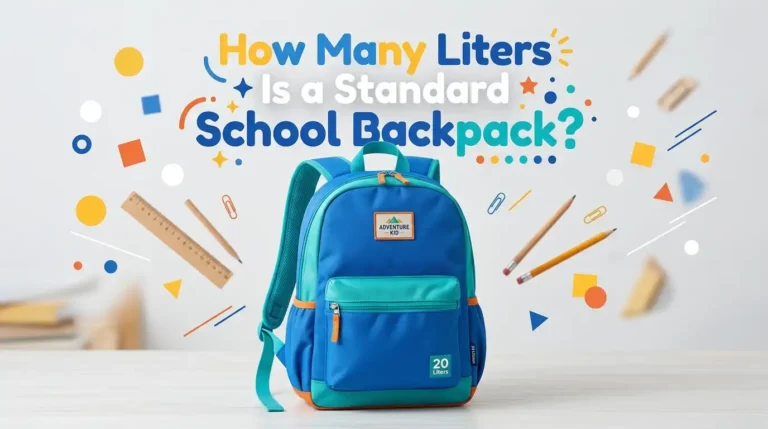
20 to 25 liters works best as a personal item. These packs are compact, fit under most seats, and hold enough for a short weekend trip. Think laptop bags and slim daypacks.
30 to 40 liters is the sweet spot for carry on backpacks. A 40 liter backpack usually fits within the 22 x 14 x 9 inch standard if designed for travel. These packs hold enough clothing and gear for a week or more if you pack efficiently.
45 liters and above often exceeds carry on limits. These are better suited for checked luggage or airlines with more generous allowances. Always verify dimensions rather than relying on liter capacity alone, because two 40 liter backpacks from different brands can have very different shapes.
How to Pack Your Backpack to Maximize Space
Smart packing can make the difference between a backpack that fits and one that gets flagged at the gate. Use these practical tips.
Roll your clothes instead of folding them. Rolling reduces wrinkles and creates tighter bundles that fill gaps in your bag. Packing cubes are also excellent because they compress your clothing into uniform shapes that stack neatly.
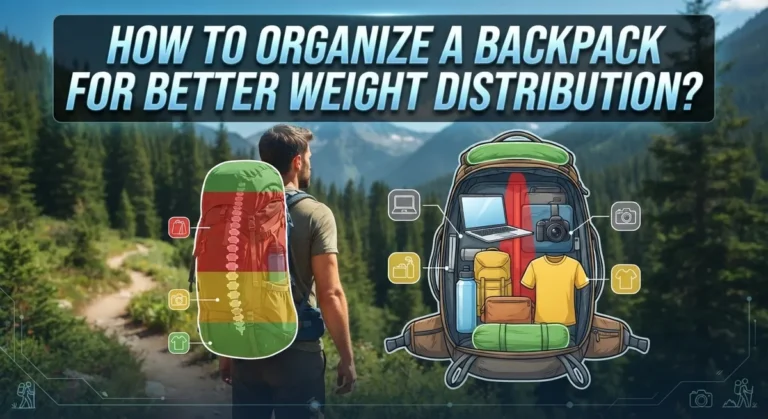
Place heavy items close to your back. This improves comfort and keeps the bag’s center of gravity stable. It also prevents the backpack from bulging outward.
Use every pocket strategically. Put small items like chargers, toiletries, and snacks in external pockets. Keep your laptop in a dedicated sleeve. Fill shoes with socks or underwear.
Wear your bulkiest items on the plane. Heavy jackets, boots, and scarves take up enormous space in a bag. Wearing them saves valuable room inside your backpack.
International Flight Considerations for Backpack Travelers
International travel adds extra rules you need to plan for. Many international carriers impose weight limits on carry on bags that domestic U.S. airlines do not. Ryanair, EasyJet, and other European budget airlines are especially strict.
Ryanair’s basic fare only includes a small personal item under the seat. A carry on bag for the overhead bin requires an upgrade. EasyJet has similar restrictions. Asian carriers like AirAsia and Scoot also have tight weight limits, often capping carry ons at 7 kilograms.
If you are flying internationally with a backpack, weigh your packed bag at home using a luggage scale. A bathroom scale works too. Step on the scale holding the bag, then subtract your body weight. This simple trick prevents weight related fees at check in.
Pros of backpack travel internationally:
Easy to carry through airports and public transport. No waiting at baggage claim. Less risk of lost luggage.
Cons of backpack travel internationally:
Weight limits can be restrictive. Less packing space than a suitcase. Budget airlines charge heavily for oversized bags.
Can You Bring a Backpack and a Carry On Together?
Yes, on most airlines you can bring both. Full service carriers like Delta, United, and American Airlines allow one carry on and one personal item. If your backpack is small enough to be your personal item, you can bring a rolling suitcase as your carry on.
This combination is the most popular approach for frequent travelers. You use the suitcase for clothing and larger items and the backpack for electronics, documents, and in flight essentials.
Some travelers flip this setup. They use a large travel backpack as their carry on and bring a small tote or fanny pack as their personal item. This works well for travelers who prefer not to use wheeled luggage.
The only exception is basic economy fares on some airlines. United’s basic economy fare, for example, restricts you to one personal item only. A full size carry on requires an upgrade or a fee. Always check the specific fare rules when booking.
Common Mistakes to Avoid With Backpack Carry Ons
Overpacking is the biggest mistake. A backpack that is bursting at the seams will not pass a size check. Leave at least a small amount of room so the bag can compress slightly.
Ignoring strap length is another issue. Long, dangling straps add to your bag’s measured dimensions. Tuck them in or tighten them before approaching the gate.
Assuming all airlines have the same rules can cost you money. A bag that is a personal item on Delta might be a carry on on Spirit. Always check each airline individually if you have connecting flights on different carriers.
Forgetting about weight catches international travelers off guard. Even if your bag fits the size limits, exceeding the weight cap will trigger a fee. Pack a lightweight backpack to give yourself more room for actual belongings.
Leaving prohibited items in your backpack also causes delays. Make sure liquids follow the 3 1 1 rule (3.4 ounce containers in one quart sized bag). Keep electronics easy to remove for security screening.
Quick Reference: Backpack Rules by Major Airline
Here is a summary to help you plan fast. Delta Air Lines allows a carry on up to 22 x 14 x 9 inches and a personal item that fits under the seat. United Airlines has the same carry on dimensions but restricts basic economy to a personal item only.
American Airlines matches the 22 x 14 x 9 standard and allows both a carry on and personal item on most fares. Southwest Airlines allows a carry on and personal item on all fares with no extra bag fees.
Spirit Airlines includes only a personal item (18 x 14 x 8 inches) on basic fares. Frontier Airlines allows a personal item (14 x 18 x 8 inches) for free and charges for carry ons. JetBlue includes a carry on and personal item on all fare types except their Blue Basic fare.
For the most accurate and current information, visit each airline’s website directly before your trip.
Frequently Asked Questions
Is a backpack a carry on or a personal item?
A backpack can be either. It depends on the size of the bag. If it fits within your airline’s carry on dimensions (typically 22 x 14 x 9 inches), it is a carry on. If it is small enough to slide under the seat in front of you, it qualifies as a personal item. The bag type does not matter. Only the dimensions matter.
Can I bring a backpack and a suitcase on the plane?
Yes, most airlines allow one carry on and one personal item. If your backpack qualifies as your personal item, you can bring it alongside a rolling carry on suitcase. Check your specific fare type, because basic economy tickets sometimes restrict you to one personal item only.
Do airlines measure backpacks at the gate?
They can and sometimes do. Airlines use sizer bins at the gate or have gate agents visually inspect bags. Budget airlines like Spirit and Frontier are more likely to enforce size limits strictly. Full service carriers tend to be more lenient but have become stricter in recent years.
What size backpack fits under an airplane seat?
A backpack that measures roughly 18 x 14 x 8 inches or smaller will fit under most airplane seats. This translates to approximately 20 to 25 liters of capacity. Slim laptop backpacks and compact daypacks are the safest options for under seat storage.
Will I be charged extra if my backpack is too big?
On full service airlines, an oversized carry on is usually gate checked for free, but your bag goes into the cargo hold. On budget airlines, you could face fees ranging from $35 to $99 or more if your bag exceeds personal item limits and you have not purchased a carry on allowance. Buying carry on access during booking is always cheaper than paying at the gate.
Can I use a hiking backpack as a carry on?
It depends on the size. Many hiking backpacks are 50 liters or larger, which exceeds carry on limits. A smaller hiking daypack of 30 to 40 liters may work if its dimensions stay within the 22 x 14 x 9 inch standard. Remove any external attachments like trekking poles or water bottles before measuring, as those add to the bag’s overall size.

Hi, I’m Luna Beck — the founder and voice behind Urban Pack Vault. I’m passionate about helping people find bags that perfectly match their lifestyle. From backpacks to travel luggage, I research, review, and recommend so you never have to second-guess your next purchase.