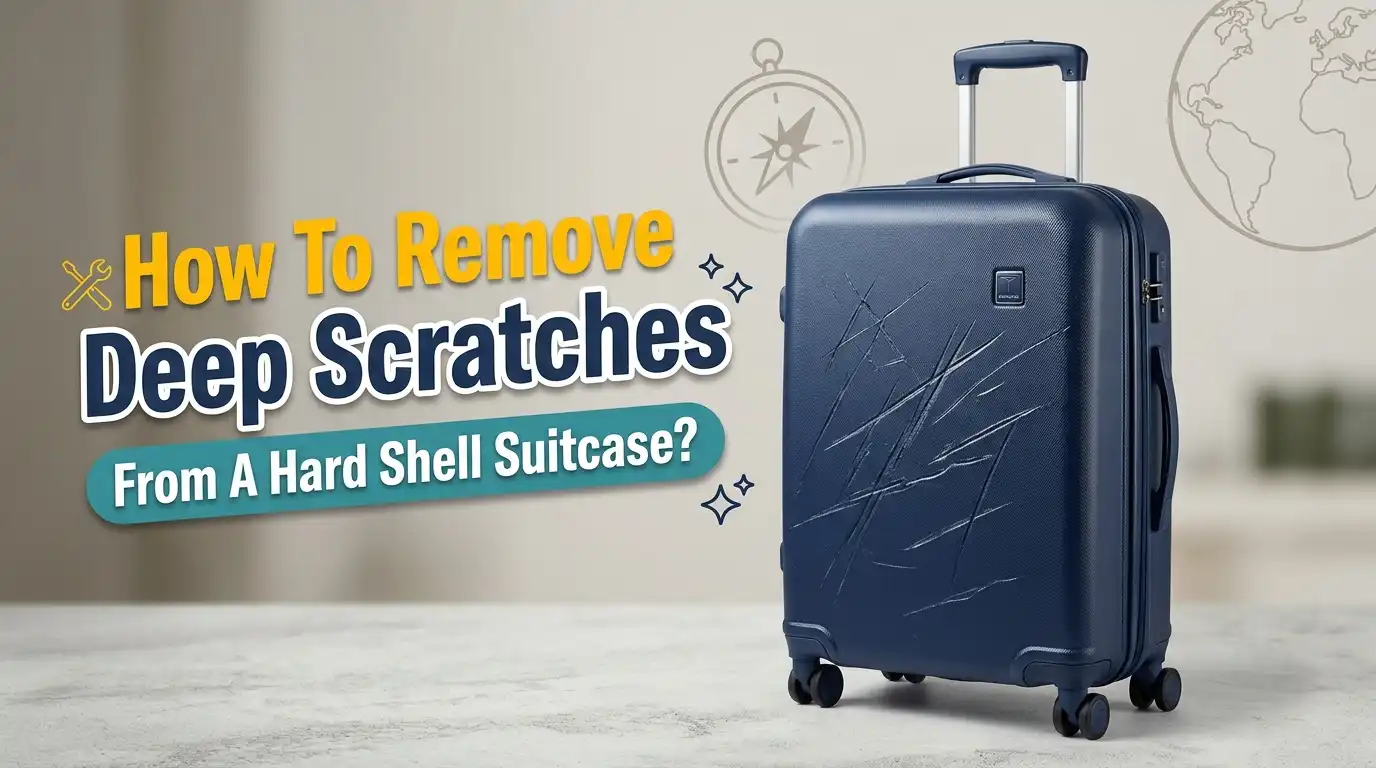
How To Remove Deep Scratches From A Hard Shell Suitcase?
Your favorite hard shell suitcase just came back from a trip with ugly deep scratches across the front. You spent good money on it, and now it looks beat up after one rough baggage handler shift. The good news is that you can fix most deep scratches at home with simple tools.
This guide walks you through every method that actually works on polycarbonate, ABS, and aluminum shells.
You will learn which fix matches your scratch depth, what household items help, and how to stop new scratches from showing up. By the end, your suitcase will look close to new again, and you will save the cost of replacing it.
Key Takeaways
- Match the method to the scratch depth. Light surface marks need only toothpaste or a magic eraser, while deep gouges need sanding and polishing. Pick the wrong fix and you waste time.
- Test every product on a hidden corner first. The inside lip or bottom edge is perfect for a patch test. This step protects the visible front panel from color damage.
- Wet sanding with 800 to 3000 grit sandpaper removes the deepest scratches on polycarbonate shells. Always sand in one direction and keep the surface wet.
- Plastic polish or car headlight polish restores shine after sanding. Brands like Meguiar’s PlastX and Novus work well on most hard shells.
- Heat from a hair dryer or heat gun can melt small scratches back together on plastic shells. Use low heat and keep the tool moving so you do not warp the plastic.
- Prevention beats repair every time. A fitted luggage cover, soft case sleeve, or even a layer of clear nail polish on scratch prone edges stops new damage before it starts.
Know Your Suitcase Material Before You Start
Hard shell suitcases come in three main materials, and each one reacts differently to scratch repair. Polycarbonate is the most common, flexes under pressure, and responds well to heat and polish. ABS plastic is stiffer, cheaper, and scratches more easily, but it also accepts sanding and polish.
Aluminum shells are a different story. They dent instead of crack, and scratches on aluminum need metal polish, not plastic polish. Check the tag inside your suitcase or the brand website to confirm the material.
Knowing the shell type stops you from using a fix that could melt, crack, or discolor the surface. Always confirm before you touch a scratch with any chemical or tool.
Clean The Scratched Area First
You cannot judge a scratch until the area is clean. Dirt, grease, and old sticker glue can hide the true depth of the damage. Start with a soft microfiber cloth and warm water mixed with a drop of dish soap.
Wipe the scratched panel in small circles, then rinse with a damp cloth. Let the surface dry fully before you do anything else. Wet plastic hides hairline scratches and gives you a false read on the damage.
Once the panel is clean, run your fingernail across the scratch. If your nail catches, the scratch is deep and needs sanding. If your nail glides over it, a softer method like toothpaste or polish will work.
Method 1: Toothpaste For Light Scratches
Toothpaste is the cheapest fix, and it works on shallow scratches that did not pass the fingernail test. Use a non gel white toothpaste because the mild abrasives in the paste are what buff the plastic.
Squeeze a pea sized dab onto a clean cotton cloth or soft toothbrush. Rub the scratch in small circles for about two minutes, then wipe away the paste with a damp cloth. Repeat two or three times if the scratch still shows.
Pros: Cheap, safe on most shells, no special tools needed, and you probably have it at home right now.
Cons: Only works on light scratches, takes elbow grease, and gel toothpaste will not work. It also does nothing for gouges that catch your nail.
Method 2: Magic Eraser For Scuffs And Marks
A melamine foam sponge, often sold as a magic eraser, lifts black scuff marks and shallow scratches off hard shells. The foam acts like very fine sandpaper at the microscopic level. Wet the eraser, squeeze out the extra water, and rub the mark in straight lines.
Press lightly and check your progress every few seconds. Melamine foam can dull glossy finishes if you scrub too hard or too long. This method shines on white, cream, and pastel suitcases where black handler marks show up worst.
Pros: Removes scuffs that polish cannot touch, works fast, and costs almost nothing.
Cons: Can dull shiny finishes, leaves a matte spot on dark colors, and does not fill deep grooves. Test on a hidden area first to check the finish.
Method 3: Rubbing Alcohol For Surface Marks
Isopropyl alcohol at 70 percent strength wipes away ink, glue residue, and very shallow scratches on polycarbonate shells. Pour a small amount on a cotton pad and rub the scratch in one direction for about a minute.
The alcohol softens the top layer of plastic just enough to even out tiny scratches. Follow up with a damp microfiber cloth to remove any leftover residue. This trick works especially well on Away, Rimowa, and Samsonite polycarbonate models.
Pros: Quick, dries fast, safe on most polycarbonate, and great for marks left by airport handlers.
Cons: Does nothing for deep scratches, can dry out painted finishes if you over apply, and may dull matte coatings. Keep it away from leather trim or printed logos.
Method 4: Wet Sanding For Deep Scratches
This is the heavy hitter for scratches your nail catches on. You will need wet or dry sandpaper in 800, 1500, and 3000 grit, a bowl of water, and patience. Soak each piece of sandpaper for about ten minutes before use.
Start with the 800 grit. Wet the scratch and sand in one direction with light pressure. Keep the surface wet the whole time. Once the deep scratch flattens out, switch to 1500 grit and sand the same area to smooth the rougher marks. Finish with 3000 grit until the panel feels glassy.
The plastic will look hazy after sanding, which is normal. Polish in the next step brings the shine back.
Pros: Removes even severe scratches, restores a smooth surface, works on most plastic shells.
Cons: Takes time, can thin the shell if you over sand, and leaves a hazy finish that needs polishing. Not for aluminum or coated finishes.
Method 5: Plastic Polish To Restore Shine
After sanding, your suitcase needs polish to bring back the gloss. Plastic polish, car headlight polish, or fine rubbing compound all work. Common picks include Meguiar’s PlastX, Novus 2, and 3M Plastic Polish.
Squeeze a dime sized amount on a clean microfiber cloth or foam applicator pad. Rub the sanded area in tight circles with firm but even pressure. Keep working the polish until the haze disappears and the shine returns.
Wipe off the leftover polish with a fresh microfiber cloth. You may need two or three passes for a glossy finish that matches the rest of the suitcase.
Pros: Restores factory shine, hides minor sanding marks, and protects the repaired area.
Cons: Costs more than household fixes, takes practice to apply evenly, and will not work on its own for deep scratches. Always pair with sanding for best results.
Method 6: Heat Gun Or Hair Dryer Method
Heat is a clever trick that works on polycarbonate and ABS. The warmth softens the plastic just enough for the surface to flow back together over shallow scratches. Set a heat gun to its lowest setting, or use a hair dryer on high.
Hold the tool about six inches from the scratch and keep it moving. Never park the heat on one spot or you will warp the shell. Watch the scratch carefully for about thirty seconds to a minute. You should see it shrink or disappear.
This method works best on light to medium scratches. Pair it with polish afterward to seal the look.
Pros: No chemicals or sanding needed, works fast on the right type of scratch, and reaches small areas.
Cons: Can warp or melt the shell if used carelessly, will not fix deep gouges, and risks damaging zippers or trim nearby. Practice on a hidden spot first.
Method 7: Clear Nail Polish For Tiny Cracks
For scratches that have already turned white or chalky, clear nail polish fills the groove and stops the damage from spreading. This is more of a cosmetic fix than a true repair, but it works well on edges and corners.
Clean the scratch, then paint a thin layer of clear nail polish across it with the brush. Let it dry for about ten minutes, then add a second coat if the scratch still shows. Wipe off any extra with a soft cloth before it fully dries.
This fix is popular for protecting cracks on glossy black or navy suitcases where white scratch lines stand out.
Pros: Fast, cheap, seals out moisture, and stops scratches from worsening over time.
Cons: Visible up close, can look glossy on a matte finish, and yellows slightly after a year or two. Not a true repair for deep gouges.
Method 8: Touch Up Paint For Colored Shells
Some scratches go through the colored top coat and show white plastic underneath. In that case, polish and sanding cannot bring back the color. You need a small bottle of acrylic hobby paint or automotive touch up paint that matches your suitcase.
Clean the scratch, then apply a thin layer of paint with a fine artist brush. Let it dry for a full hour and add a second coat if needed. Once dry, smooth the surface with 3000 grit sandpaper and finish with plastic polish.
This method takes patience but blends repairs almost invisibly when done right.
Pros: Restores color on through scratches, blends well if you match the shade, and lasts for years.
Cons: Hard to color match exactly, needs steady hands, and adds time to the repair. Test the paint shade on a hidden area before you commit.
When To Call A Professional Repair Service
Some scratches are not worth fixing yourself. Deep cracks that go through the entire shell, broken corners, or split seams need professional help. Many luggage brands like Rimowa, Samsonite, and Tumi offer repair services for their products.
Check your warranty first because some brands cover scratch repair under their lifetime guarantee. You may only pay shipping. For unbranded suitcases, a local shoe and leather repair shop sometimes handles hard shell fixes too.
Professional repair costs more, but the finish often matches factory quality. Weigh the cost against buying a new suitcase, especially for premium brands where a new shell can run over five hundred dollars.
Pros: Factory quality finish, often covered by warranty, and safer for expensive luggage.
Cons: Costs more, takes weeks of turnaround, and you lose the use of the bag during repair. Not worth it for cheap suitcases.
Prevent Future Scratches On Your Suitcase
Once you repair the damage, take steps to keep your shell looking fresh. A fitted clear or printed luggage cover is the single best defense against airport scratches. Covers slip over the whole bag and zip on in seconds.
You can also pick a textured or patterned shell next time you buy. Matte finishes and patterned shells hide scratches far better than glossy solid colors. Light grays, navies, and patterned designs are forgiving choices.
Wrap your suitcase in plastic film at airport wrap stations for long trips. Soft case sleeves and luggage straps add another buffer against rough handling. Small habits like these save you hours of repair work later.
Frequently Asked Questions
Can toothpaste really fix scratches on a hard shell suitcase?
Yes, but only for shallow scratches that your fingernail does not catch on. The mild abrasives in white non gel toothpaste buff the top layer of plastic. Deep scratches need sanding or polish, not toothpaste.
Will sanding ruin my polycarbonate suitcase?
Not if you do it right. Use wet sandpaper, start with a high grit like 800, and work up to 3000 grit. Keep the surface wet, sand in one direction, and finish with plastic polish to restore shine.
Does WD 40 remove scratches from luggage?
WD 40 hides scratches by filling them with oil, but the effect washes off quickly. It is a short term cover up, not a real fix. Use polish or sanding for a lasting repair.
Can I use car wax on my hard shell suitcase?
Yes, car wax adds shine and a thin protective layer to polycarbonate and ABS shells. Apply a small amount with a microfiber cloth, buff it in circles, and wipe off the haze. Wax does not remove scratches, but it helps hide minor ones.
How do I fix scratches on an aluminum suitcase?
Aluminum shells need a different approach. Use a fine metal polish like Mothers Mag or Flitz, apply with a soft cloth, and buff in circles. For deep dents, professional repair is the safest path.
Should I just buy a new suitcase instead of repairing scratches?
If the scratches are only cosmetic, repair is cheaper and faster. Replace the bag only if the shell is cracked, the wheels are broken, or the zipper has failed. Most scratch damage costs under twenty dollars to fix at home.

Hi, I’m Luna Beck — the founder and voice behind Urban Pack Vault. I’m passionate about helping people find bags that perfectly match their lifestyle. From backpacks to travel luggage, I research, review, and recommend so you never have to second-guess your next purchase.