How to Pack a 40L Backpack for a Two Week Minimalist Trip?
You have two weeks ahead of you. You have one 40L backpack. And you refuse to check a bag. Sound impossible? It is absolutely doable, and thousands of travelers do it every single year.
The secret is not about cramming more stuff into your bag. It is about choosing the right stuff and packing it smartly.
A 40L backpack holds roughly 2,440 cubic inches of space. That is enough room for 14 days of clothing, toiletries, electronics, and even a few extras if you plan correctly.
Key Takeaways
- A 40L backpack is the sweet spot for two week minimalist travel. It fits most airline carry on requirements, holds enough for 14 days, and stays light enough to carry comfortably. You do not need a bigger bag. You need a better packing strategy.
- A capsule wardrobe of 10 to 15 clothing items creates enough outfit combinations for two full weeks. Choose pieces in neutral colors that mix and match. Stick to fabrics like merino wool and synthetic blends that dry fast and resist odor.
- Packing cubes and the rolling method can save up to 30% of your bag space. Compression cubes squeeze air out of your clothing. Rolling prevents wrinkles and fits more items into each cube.
- Solid toiletries eliminate liquid restrictions and reduce weight. Shampoo bars, solid deodorant, and toothpaste tabs take up a fraction of the space compared to bottles. They also remove the need for a quart size plastic bag at airport security.
- Weight distribution matters as much as what you pack. Place heavy items close to your back at mid to upper height. This keeps the load balanced and reduces strain on your shoulders and lower back.
- Doing laundry once or twice during your trip cuts your clothing needs in half. A small packet of travel detergent and a clothesline let you wash items in a sink and dry them overnight.
Why 40L Is the Perfect Size for Minimalist Travel
A 40L backpack hits the balance between capacity and portability. Most airlines accept bags up to 45L as carry on luggage, so a 40L bag keeps you safely within those limits. You skip baggage claim, avoid lost luggage, and move faster through airports.
This size holds roughly 12 to 15 pounds of gear without feeling overstuffed. That is enough for clothing, toiletries, electronics, a small first aid kit, and personal documents. A larger bag, like a 60L or 70L, tempts you to fill the extra space with things you will never use.
Pros: Fits in overhead bins, avoids checked bag fees, forces you to pack with purpose, and stays comfortable during long walks. Cons: Requires discipline, may feel tight if you pack bulky winter clothing, and leaves little room for souvenirs.
The key is to choose a backpack with a good hip belt and back panel. These features transfer weight from your shoulders to your hips, making a full bag feel much lighter.
Start with a Packing List Before You Touch Your Bag
The biggest packing mistake people make is grabbing items and tossing them into a bag. That approach leads to overpacking every single time. Instead, start with a written list at least three days before your trip.
Write down every item you think you need. Then review the list and remove at least 30% of it. If you have not worn something in the last month, you will not wear it on your trip. If an item serves only one purpose, consider replacing it with something more versatile.
Organize your list into categories: clothing, toiletries, electronics, documents, and extras. This structure makes it easy to see where you have too much. A visual layout on your bed also helps. Lay everything out and look at the total volume before anything enters the bag.
Check the weather forecast for your destination. This prevents you from packing “just in case” layers that take up valuable space.
Build a Capsule Wardrobe That Works for 14 Days
A capsule wardrobe uses a small set of clothing pieces that all coordinate. The popular 54321 packing method suggests 5 tops, 4 bottoms, 3 layers, 2 pairs of shoes, and 1 hat. You can adjust this formula based on your destination and activities.
Choose neutral colors like black, navy, gray, white, and olive. These shades mix and match easily and create a wide range of outfits from just a few items. A wardrobe of 12 pieces in coordinated colors can produce over 30 unique outfit combinations.
Here is a practical clothing list for a two week trip: 3 to 4 t shirts or tops, 2 pairs of pants or shorts, 1 pair of jeans or travel pants, 2 to 3 sets of underwear, 2 to 3 pairs of socks, 1 light jacket or cardigan, and 1 outfit for sleeping or working out. Wear your bulkiest items on the plane to save bag space.
Pros: Fewer decisions each morning, lighter bag, more outfit variety than expected. Cons: Requires more frequent laundry and limits spontaneous style changes.
Choose Fabrics That Do More with Less
The fabric of your clothing matters more than the quantity. Merino wool is the gold standard for minimalist travel. It absorbs up to 30% of its weight in moisture while still feeling dry. It resists odor for days, regulates temperature in both heat and cold, and resists wrinkles.
Synthetic blends made from nylon or polyester also work well. They dry faster than cotton and weigh less. Many travel clothing brands use a blend of synthetic and natural fibers for the best of both worlds.
Avoid 100% cotton. It absorbs moisture, takes hours to dry, wrinkles easily, and adds unnecessary weight to your bag. A single cotton hoodie can take up the same space as two merino wool layers.
Pros of performance fabrics: Quick drying, odor resistant, lightweight, wrinkle resistant. Cons: Higher upfront cost and some synthetic fabrics can feel less breathable in extreme heat. The investment pays off when you realize you can wear one shirt for two or three days without washing it.
Master the Art of Rolling and Compression Packing
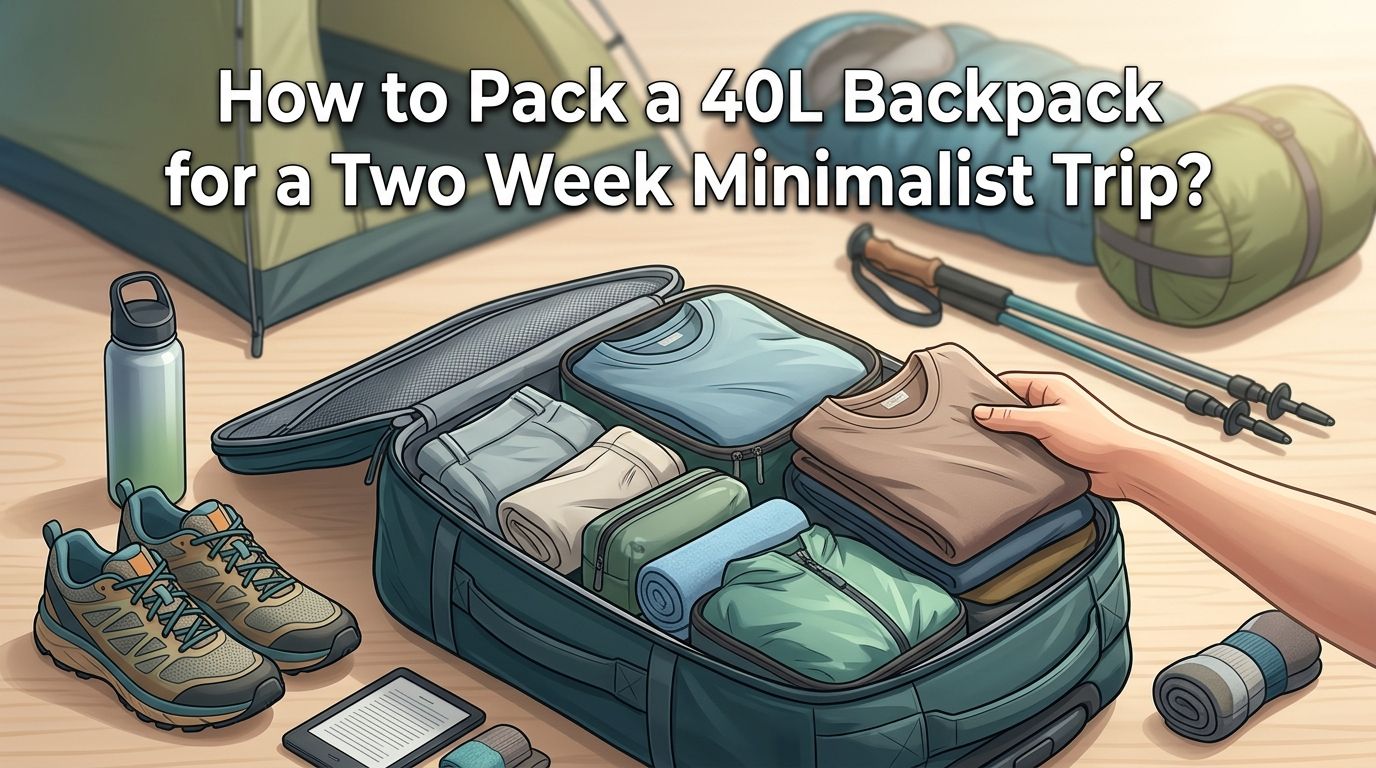
How you fold your clothes changes how much fits in your bag. Rolling is the most space efficient method for soft fabrics like t shirts, underwear, and lightweight pants. Fold the item in half lengthwise, then roll it tightly from the bottom up. This technique reduces wrinkles and creates compact cylinders that stack neatly inside packing cubes.
Compression packing cubes take this a step further. After rolling your clothes, place them inside a cube and zip it shut. A second zipper compresses the cube by squeezing out excess air. Some travelers report saving up to 30% more space with compression cubes compared to loose packing.
Use different cubes for different categories. One cube for tops, one for bottoms, one for underwear and socks. This system keeps your bag organized and makes it easy to find items without unpacking everything.
Pros: Saves significant space, keeps items wrinkle free, improves organization. Cons: Adds slight weight from the cubes themselves, and requires a few minutes of prep time during each repack.
Minimize Toiletries Without Sacrificing Hygiene
Toiletries are one of the biggest space wasters in a travel bag. Full size bottles of shampoo, conditioner, and body wash can consume an entire packing cube on their own. The fix is to switch to solid toiletries.
A shampoo bar replaces a full bottle and lasts for weeks. A solid deodorant stick takes up minimal space. Toothpaste tabs eliminate the need for a tube entirely. Solid soap bars handle both body and hand washing. These products are not subject to the TSA 3 1 1 liquid rule, which means you skip the quart size bag at airport security.
Pack your toiletries in a small hanging organizer or a zippered pouch. Include only the essentials: toothbrush, solid shampoo, solid soap, deodorant, sunscreen (a small tube or stick), and a razor. Leave the “nice to haves” at home. Your hotel or hostel likely provides extras like hair dryers and mirrors.
Pros: Lighter bag, no liquid spill risk, no TSA hassle. Cons: Solid bars need a dry container to avoid getting mushy, and some people need time to adjust to bar shampoo.
Pack Electronics and Chargers Smartly
Electronics can eat up space and add weight fast. The minimalist approach focuses on bringing only what you will actually use every day. For most travelers, that means a phone, a pair of earbuds, a charging cable, and a small power bank.
If you need a laptop or tablet, choose the smallest and lightest option you have. A tablet can replace a laptop for most travel tasks like browsing, reading, and streaming. One universal travel adapter replaces the need for multiple plug converters.
Keep all cables and chargers in a small tech pouch. This prevents tangled cords and makes airport security easier. Consolidate where possible. A single USB C cable that charges both your phone and earbuds saves space over carrying two separate cables.
Pros: Reduced clutter, faster packing and unpacking, lighter overall weight. Cons: You may miss having a full size laptop for certain tasks, and relying on one charger means a lost cable can be a problem.
Use the Right Packing Order for Weight Distribution
The order in which you load your backpack affects your comfort during the entire trip. Place lightweight and soft items at the bottom of the bag. This includes your sleeping clothes, extra socks, and base layers.
Medium weight items like your main clothing cubes go in the middle section. Place your heaviest items close to your back at shoulder blade height. This keeps the center of gravity near your body and prevents the bag from pulling you backward. Heavy items include a laptop, power bank, water bottle, or toiletry kit.
Items you need quick access to go in the top compartment or front pockets. Think passport, phone, snacks, and a rain jacket. A well distributed 40L bag should feel balanced when you lift it and should not sway from side to side as you walk.
Pros: Better posture, less fatigue, more comfort during long carrying sessions. Cons: Takes a few extra minutes to pack deliberately and may require repacking if you grab items from the middle.
Plan for Laundry to Pack Less Clothing
The single most effective way to reduce your clothing count is to plan for laundry during your trip. If you wash clothes once halfway through a two week trip, you only need seven days worth of items. If you wash twice, you need even less.
Sink washing is the simplest method. Bring a small packet or strip of travel detergent, fill a sink with warm water, and hand wash your lightest items. Merino wool and synthetic fabrics dry overnight when hung on a travel clothesline or draped over a chair.
Many hostels and hotels offer coin operated laundry machines or laundry services. Budget an hour and a few dollars for a mid trip wash day. This one habit lets you travel with 3 to 4 tops instead of 7 and 2 pairs of pants instead of 4.
Pros: Drastically lighter bag, more room for souvenirs on the return trip, cleaner clothes throughout. Cons: Requires planning a laundry day, hand washing takes time, and some fabrics do not dry quickly in humid climates.
Leave Room for Souvenirs and Unexpected Items
A common mistake is packing your bag to 100% capacity before you leave home. This leaves zero room for anything you pick up along the way. Aim to fill only 80 to 85% of your bag at departure.
That remaining 15 to 20% of space gives you flexibility. You might find a small gift at a local market, buy a book at an airport, or need an extra layer in an unexpected cold snap. A packable tote bag or drawstring bag also helps here. It folds flat in your backpack and gives you a secondary bag for day trips or overflow items.
If your bag is full before you leave, take a hard look at what you packed. Something in there is not essential. Remove it and reclaim that buffer space. Your future self will thank you on day ten of the trip.
Pros: Room for souvenirs, flexibility for unexpected needs, a less stressful departure. Cons: Feels like wasted space on day one, and requires trust in the minimalist process.
Create a Packing Checklist You Can Reuse
A reusable checklist saves time on every trip after the first one. After your two week trip, review what you actually used and what stayed untouched at the bottom of your bag. Remove unused items from your checklist permanently.
Over two or three trips, your list becomes refined and personal. Your ideal packing list will look different from anyone else’s because it reflects your habits, preferences, and travel style. Store this list on your phone or in a notes app so it is always available.
A strong checklist includes every category: clothing by type, toiletries, electronics, documents (passport, insurance card, copies of reservations), and miscellaneous items like a pen, reusable water bottle, and eye mask. Check each item off as it enters the bag. This method prevents both overpacking and forgotten essentials.
Common Mistakes to Avoid When Packing a 40L Bag
Packing “just in case” items is the number one mistake. That extra pair of shoes, the second jacket, and the “dressy outfit” you might need once usually stay in the bag unworn. Every item should earn its space by serving at least two purposes.
Another frequent error is ignoring weight limits. Even if your bag fits in the overhead bin, some airlines weigh carry on luggage. Keep your total pack weight under 15 pounds to stay safe and comfortable.
People also tend to overpack toiletries. You do not need full size sunscreen, a hair straightener, and five skin care products. Bring the basics and buy anything extra at your destination. Hotels, pharmacies, and local shops stock everything you might need at reasonable prices.
Finally, avoid hard or bulky items that waste space. Swap a thick novel for an e reader. Replace a full size umbrella with a lightweight rain jacket. Choose a thin microfiber towel over a standard bath towel. Each small swap adds up to significant space savings.
FAQs
Can I really pack for two weeks in a 40L backpack?
Yes. A 40L backpack holds enough for a two week trip when you use a capsule wardrobe, pack performance fabrics, and plan for one or two laundry sessions. Thousands of long term travelers use 40L bags or smaller for trips lasting weeks or even months. The key is choosing versatile items and packing with intention rather than fear.
How many outfits do I need for a two week minimalist trip?
Most minimalist travelers pack 5 to 7 tops, 2 to 3 bottoms, and 1 to 2 layers. This creates enough variety for 14 days, especially if you wash clothes mid trip. Every piece should coordinate with every other piece so you can create different looks each day without carrying more items.
Should I roll or fold my clothes for a 40L backpack?
Rolling is generally better for saving space and reducing wrinkles, especially for soft fabrics like t shirts and lightweight pants. Structured items like button down shirts may benefit from folding. Using compression packing cubes with rolled clothing offers the best combination of space savings and organization.
What are the best fabrics for minimalist travel?
Merino wool and synthetic blends are the top choices. Merino wool resists odor, regulates temperature, dries quickly, and feels soft. Synthetic fabrics like nylon and polyester are lighter and dry even faster. Avoid cotton because it absorbs moisture, dries slowly, and wrinkles easily.
How do I handle laundry during a two week trip?
Bring a small amount of travel detergent and hand wash lightweight items in a sink. Hang them to dry overnight on a travel clothesline or the back of a chair. You can also use coin laundry machines at hostels, laundromats, or hotel laundry services. Planning one or two laundry days lets you pack roughly half the clothing you would otherwise need.

Hi, I’m Luna Beck — the founder and voice behind Urban Pack Vault. I’m passionate about helping people find bags that perfectly match their lifestyle. From backpacks to travel luggage, I research, review, and recommend so you never have to second-guess your next purchase.