Why Is My Waterproof Backpack Leaking In The Rain?
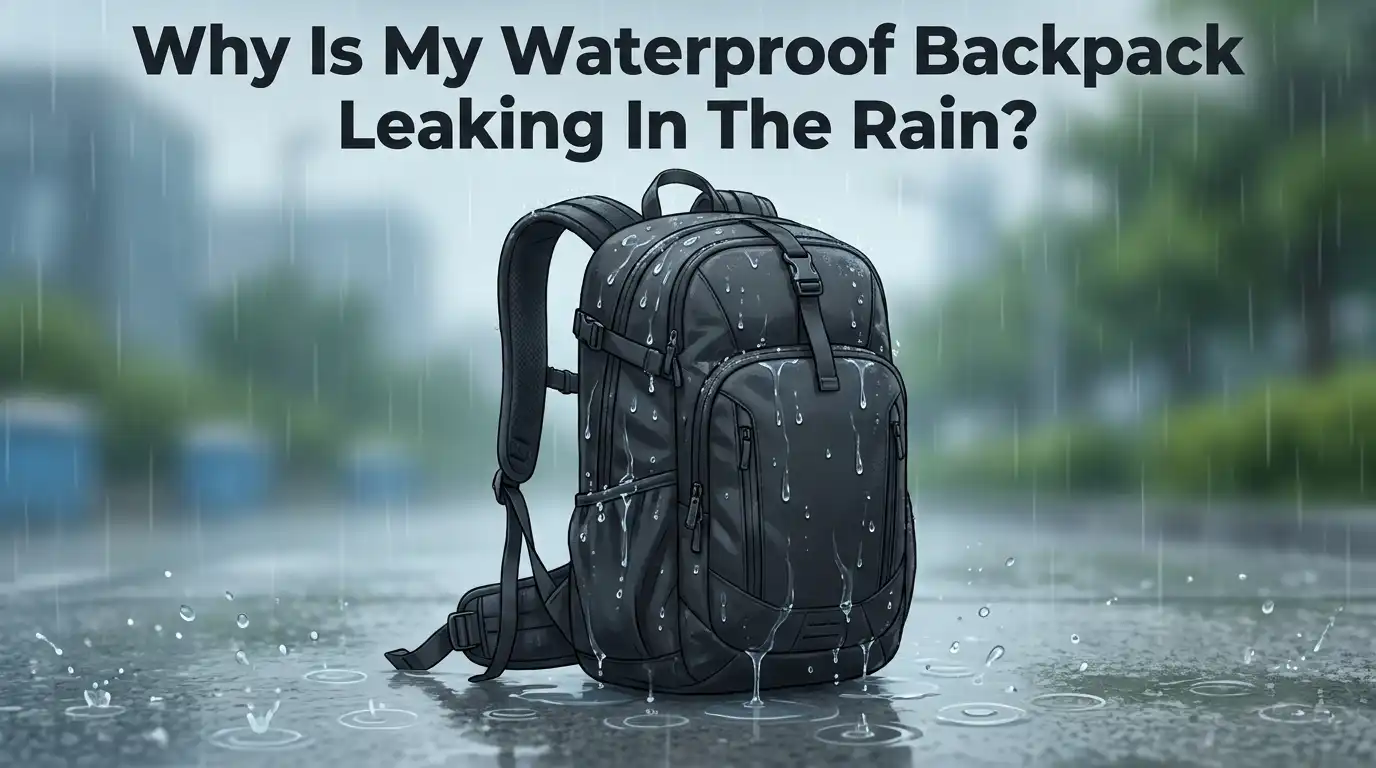
You trusted your “waterproof” backpack to keep your gear dry. Then the rain hit, and everything inside got soaked anyway. Sound familiar?
This is one of the most frustrating surprises for hikers, commuters, and travelers alike. The good news is that your backpack is not broken. There is actually a very common reason this happens.
Most backpacks are water-resistant, not truly waterproof. That small difference in wording matters a lot when you are standing in a downpour.
Water finds its way in through seams, zippers, and worn fabric. Over time, even the best materials lose their protective coating through regular use and friction.
In a Nutshell
- Most backpacks are water-resistant, not fully waterproof. The label can be misleading, and many people find this out the hard way during heavy rain.
- Seams and zippers are the biggest weak points. Water easily sneaks through these areas, even on high-quality bags.
- Fabric wears down over time. Friction and repeated use break down the water-resistant coating on the outer material.
- Leaving your pack exposed to rain causes water absorption and added weight. This makes the problem worse the longer you stay out in wet conditions.
- Layering your protection works best. Using a waterproof spray, sealing your seams, and adding a rain cover gives you much stronger defense against leaks.
- An inner liner adds a final safety net. Even if water gets through the shell, a liner keeps your gear dry inside.
Waterproof vs. Water-Resistant: What Your Backpack Label Actually Means
The label on your backpack matters more than you think. Most manufacturers use the term “waterproof” loosely, when they really mean “water-resistant.” These are not the same thing.
Water-resistant means the fabric resists water for a limited time. Rain bounces off initially, but water will eventually find its way inside. Waterproof means water cannot penetrate at all, no matter how long exposure lasts. True waterproof backpacks are rare because they sacrifice breathability and flexibility.
Manufacturers choose water-resistant materials intentionally. A fully waterproof bag would trap moisture inside, creating an uncomfortable, sweaty environment for your gear and your back. Water-resistant fabric allows some air circulation while offering decent protection during normal rain.
The problem arises when people assume the label guarantees complete protection. You trust it will keep everything dry, but that trust gets broken the first time water seeps through a seam or zipper.
Understanding this difference changes how you protect your belongings. A water-resistant backpack needs additional layers of defense to truly keep contents dry. This is why experienced hikers and travelers use multiple protection methods together.
Your backpack’s label tells only part of the story. The material itself is water-resistant, but the construction has weak points. Seams are stitched holes. Zippers create gaps. These areas let water pass through regardless of how water-resistant the outer fabric is.
Knowing this truth helps you make smart decisions. You can stop blaming the manufacturer and start adding real protection. The goal is layering your defenses so water cannot find a path to your gear.
The Most Common Reasons Your Backpack Is Letting Water In
Your backpack leaks because water finds weak spots in its design and materials. Understanding these common culprits helps you fix the problem.
Seams are your biggest enemy. Manufacturers stitch panels together to create your backpack’s shape. These seam lines are natural entry points for water. Even when treated with protective coatings, seams remain vulnerable because water pressure forces liquid through the tiny gaps between stitches.
Zippers lack proper protection. Most backpacks use standard zippers that are not fully sealed. Water runs down the zipper teeth and slides right through. The slider mechanism creates small openings where moisture sneaks past. Rain hitting your pack at certain angles pushes water directly into these gaps.
Fabric degrades with regular use. Your backpack’s outer material has a water resistant coating that wears away. Friction from rubbing against your shoulders, trees, and rough surfaces slowly removes this protective layer. After months of use, the fabric becomes more porous and absorbs water instead of repelling it.
Material friction pushes water inside. When you pack your bag tightly, internal pressure builds. Rain pressure combined with the weight of your gear forces water through weakened spots. This happens faster than you might expect, especially during heavy downpours.
Prolonged rain exposure causes absorption. Leaving your backpack sitting in rain for extended periods allows water to gradually soak through. The longer your pack stays wet, the heavier it becomes and the deeper water penetrates the material.
These leak sources work together, making even quality backpacks vulnerable. Recognizing them helps you take proper prevention steps and keep your belongings dry during outdoor adventures.
How Seams and Zippers Become the Weakest Points
Seams and zippers are where your backpack fails most often. Water doesn’t need a big hole to get inside. It finds these weak spots and creeps through gradually.
Seams are stitched lines where fabric panels connect. Manufacturers sew these panels together to build your backpack’s shape. The problem is that thread creates tiny gaps. Water pressure pushes moisture through these gaps, especially during heavy rain or when your pack sits in wet conditions.
The stitching itself isn’t waterproof. Even if the outer fabric resists water, the needle holes in the thread allow water to seep through. Over time, the thread also degrades from friction and movement. This makes seams even more vulnerable.
Zippers present a different challenge. Most backpacks use standard zippers that lack full sealing. Water runs down the zipper teeth and enters where the slider moves. There’s no barrier between the outside and inside of your pack at these points.
Zipper degradation happens faster than you might think. The metal or plastic teeth wear down with repeated opening and closing. Salt, dirt, and moisture accelerate this wear. Once the zipper loses its tight fit, water flows straight through.
Friction between materials also pushes water inward. When you pack your backpack tightly, internal pressure builds. This pressure forces water through seams and zippers. The weight of your gear presses against the fabric from inside, creating a path for moisture.
Both seams and zippers need extra protection. Waterproof coatings and rain covers help, but they work best when you understand these weak points first. Knowing where leaks start helps you defend against them effectively.
How Wear and Age Degrade Your Backpack’s Water Protection
Your backpack’s water protection doesn’t last forever. Age and regular use break down the materials that keep water out.
The outer fabric coating wears away with time. Every time you use your backpack, the protective layer gets thinner. Friction from packing and unpacking speeds up this process. Sunlight exposure also degrades the coating faster than you’d expect.
Stitching weakens as your backpack ages. The threads holding seams together start to loosen after months of use. Temperature changes cause fabric to expand and contract, which stresses the stitching. This movement creates tiny gaps where water sneaks through.
Zippers deteriorate with regular opening and closing. The slider mechanism wears down, and the seal becomes less effective. Dirt and debris get trapped inside the zipper track, making the problem worse. Once a zipper loses its seal, water flows directly into your backpack.
Material fatigue happens gradually. Fabrics become brittle after extended sun exposure. Heavy loads put pressure on seams and stress the entire structure. This combination makes old backpacks leak even in light rain.
You’ll notice leaks starting at specific points. Water typically enters where stitching meets the fabric or where zippers connect to the pack. These areas experience the most movement and stress over time.
The good news is that age related leaks are preventable. Regular maintenance extends your backpack’s waterproof performance. Applying protective treatments before damage occurs keeps water out longer. Storing your backpack indoors protects it from unnecessary sun damage. Avoiding overpacking reduces stress on seams and zippers. These simple habits keep your backpack functional for years.
How to Test Where Your Backpack Is Leaking
Testing your backpack for leaks is simpler than you might think. You need water, a controlled space, and patience to find exactly where moisture enters.
Start with the visual inspection method. Fill your backpack with crumpled newspaper or paper towels. Place it in a bathtub or large container. Pour water slowly over the entire exterior while watching the interior closely. The paper will show wet spots exactly where water penetrates. This reveals seam failures, zipper gaps, and fabric weaknesses immediately.
The spray bottle technique works well for targeted testing. Fill a spray bottle with water and mist one section of your backpack at a time. Start with the seams along the bottom and sides. Spray the zipper area thoroughly. Check inside after each section. This method helps you pinpoint which specific seams or zippers leak.
For the immersion test, submerge an empty backpack in a bathtub for several minutes. Keep the pack upright and still. Remove it carefully and check for water inside. This shows how quickly your backpack absorbs water under real conditions.
Pay special attention to these critical areas during testing. The bottom seams take the most water pressure. Zipper tracks often trap moisture. Side seams where panels connect frequently fail. The top closure area also leaks commonly.
Document your findings by marking leak spots with waterproof tape or markers. Take photos for reference. This information helps you decide whether to seal the problem areas or replace the backpack entirely.
Test your backpack on a dry day before your next outdoor trip. This prevents surprises during actual rain exposure.
Step-by-Step Guide to Fixing and Waterproofing Your Backpack
Your waterproof backpack leaks because most backpacks are actually water resistant, not fully waterproof. This is an important distinction. Manufacturers use water resistant materials to balance protection with breathability and durability.
Seams are your first problem area. These stitched lines where fabric panels connect aren’t waterproof by themselves. The needle holes create tiny passages for water to seep through. Over time, the stitching weakens and gaps form.
Zippers are your second weak point. Standard zippers lack proper sealing mechanisms. Water runs along the zipper track and finds its way inside. The more you open and close your zipper, the faster it deteriorates.
Friction between materials also pushes water inward. When you pack your backpack tightly, internal pressure builds. This pressure forces water through weak points faster than you’d expect.
The outer fabric coating wears away with regular use. UV exposure, friction against trees and rocks, and constant bending all degrade the protective layer. Once this coating breaks down, water penetration accelerates.
To fix your leaking backpack, apply waterproof spray to the outer fabric. This restores the protective coating. Next, seal your seams with a protective coating designed for this purpose. Reinforce your zippers by applying a waterproof treatment around the zipper track.
Use a rain cover for extra protection. Many backpacks include one, or you can get a separate cover. This adds a reliable barrier between your gear and heavy rain.
Add an inner liner as your final layer of defense. This catches any water that does penetrate and keeps your contents dry. Layer these protection methods together for the best results.
Common Mistakes That Make Leaking Worse
Most people make mistakes that turn minor leaks into major problems. Understanding these errors helps you protect your backpack better.
Ignoring the label difference is the biggest mistake. You see “waterproof” on the tag and assume your pack stays dry in any rain. The truth is different. Most backpacks are water resistant, not fully waterproof. Water resistant means it handles light rain well. Fully waterproof means nothing gets through, which rarely happens with fabric backpacks. This confusion leads people to skip protective steps.
Skipping rain cover use makes leaking worse fast. Many people think the backpack material alone does the job. They leave their rain cover at home or packed away. Rain covers catch water before it reaches your bag. Without one, water hits seams and zippers directly. The pressure builds up, and water finds its way inside.
Neglecting seam maintenance compounds the problem. Seams are stitched lines where fabric panels connect. They don’t seal themselves. When you ignore them, water gradually penetrates through those weak points. Small leaks become bigger ones over time.
Overloading your pack creates internal pressure that forces water through tiny gaps. Heavy items press against the fabric from inside. This pressure pushes water inward through any opening it finds.
Leaving your pack wet without drying it out causes lasting damage. The constant moisture weakens the fabric coating and thread strength. Mold can also grow inside, destroying the material further.
Using the wrong cleaning methods strips away protective coatings. Harsh soaps and rough scrubbing damage the water resistant layer. This makes your backpack more vulnerable to future leaks.
Layering Protection Methods for Maximum Rain Defense
Layering protection methods is your best defense against rain damage. This approach combines multiple barriers so water cannot penetrate your backpack easily.
Start with the outer fabric layer. Apply waterproof spray designed for textiles to the exterior surface. This creates a water repellent coating that causes rain to bead up and run off. Reapply this spray every few months or after heavy use, since the protective layer gradually wears away.
Next, focus on seam sealing. Seams are where water most commonly enters your pack. Use a seam sealant product to coat all stitched lines on the outside. Pay special attention to the bottom seams and side panels where water pools during heavy rain. Let the sealant dry completely before using your backpack.
Add a rain cover as your third layer. This fabric shield goes over your entire backpack and creates an air gap that stops water from reaching the main material. Rain covers are removable, so you can use them only when needed.
Consider an inner liner as your final barrier. This waterproof layer sits inside your pack and catches any water that gets past the outer protections. Even a simple waterproof bag inside your backpack can save your gear from getting wet.
Use all these methods together for maximum protection. One layer alone won’t work reliably. The combination of treated fabric, sealed seams, rain cover, and inner protection creates redundancy. If water somehow penetrates one layer, the next layer stops it. This layered strategy keeps your backpack dry through heavy downpours and ensures your gear stays protected during wet weather adventures.
Final Thoughts
Your waterproof backpack leaks because most backpacks are built for water resistance, not complete waterproofing. That small difference causes big problems in heavy rain.
The main entry points are always the same. Seams, zippers, and worn fabric coatings let water in faster than you expect. These weak spots get worse with regular use and age.
The good news is that fixing this is straightforward. You do not need to replace your backpack. A few smart steps can restore strong water protection quickly.
Always treat your outer fabric with a waterproof spray first. This refreshes the coating that wear and washing strips away over time. Reapply it regularly, not just once.
Seal your seams with a protective coating as a second step. Seams are stitched lines, so they are never naturally waterproof on their own. A seam sealer closes those tiny gaps effectively.
Protect your zippers too. Standard zippers have no built-in water seal, so they need extra attention. Zipper wax or a zipper cover adds a real barrier against rain entry.
Always use a rain cover over your pack in wet weather. Even a well-treated backpack benefits from this extra shield. Many hiking packs include one, so check your pack before buying a separate cover.
Add an inner liner for the strongest protection possible. This sits inside your bag and catches any water that gets past the outer layers. It keeps your gear dry even when everything else fails.
Combining all these layers together gives you reliable protection. No single method works perfectly alone. Consistent maintenance and layered defense is what keeps your pack truly dry.
Frequently Asked Questions
Why does my waterproof backpack leak if it says waterproof on the label?
Most backpacks labeled “waterproof” are actually water-resistant. This means they slow down water entry, but don’t stop it completely. Manufacturers use water-resistant materials because they’re more breathable and durable than fully waterproof fabrics.
Water still finds its way in through weak points like seams and zippers. Think of water-resistant as a strong defense, not an impenetrable shield.
Where does water actually enter my backpack?
Water enters through three main areas. First, seams are the biggest culprit because threads create tiny gaps where water seeps through. Second, zippers have no built-in water seal, so water slides right past them.
Third, friction between layers pushes water inside over time. Heavy rain and pressure from an overstuffed pack make this worse.
Can I fix leaks without buying new gear?
Yes. Start by applying waterproof spray to the outer fabric. This adds an extra protective layer. Next, seal your seams with a protective coating designed for textiles.
For zippers, you can apply a water-resistant treatment directly to the zipper tracks. These simple steps cost little and work well.
What’s the fastest way to stop leaks in heavy rain?
Use a rain cover. Most hiking backpacks come with one, or you can add one separately. The cover goes over your entire pack and creates an air gap that blocks water.
Even with treated fabric and sealed seams, a rain cover provides reliable protection in downpours. Layer your defenses together for best results.
Should I dry my pack after it gets wet?
Yes, always. Leaving your pack wet causes lasting damage to the fabric and protective coatings. Open all compartments and let air flow through completely.
Dry it in a cool, shaded area away from direct heat. This prevents mold and keeps your pack in good condition for years.

Hi, I’m Luna Beck — the founder and voice behind Urban Pack Vault. I’m passionate about helping people find bags that perfectly match their lifestyle. From backpacks to travel luggage, I research, review, and recommend so you never have to second-guess your next purchase.