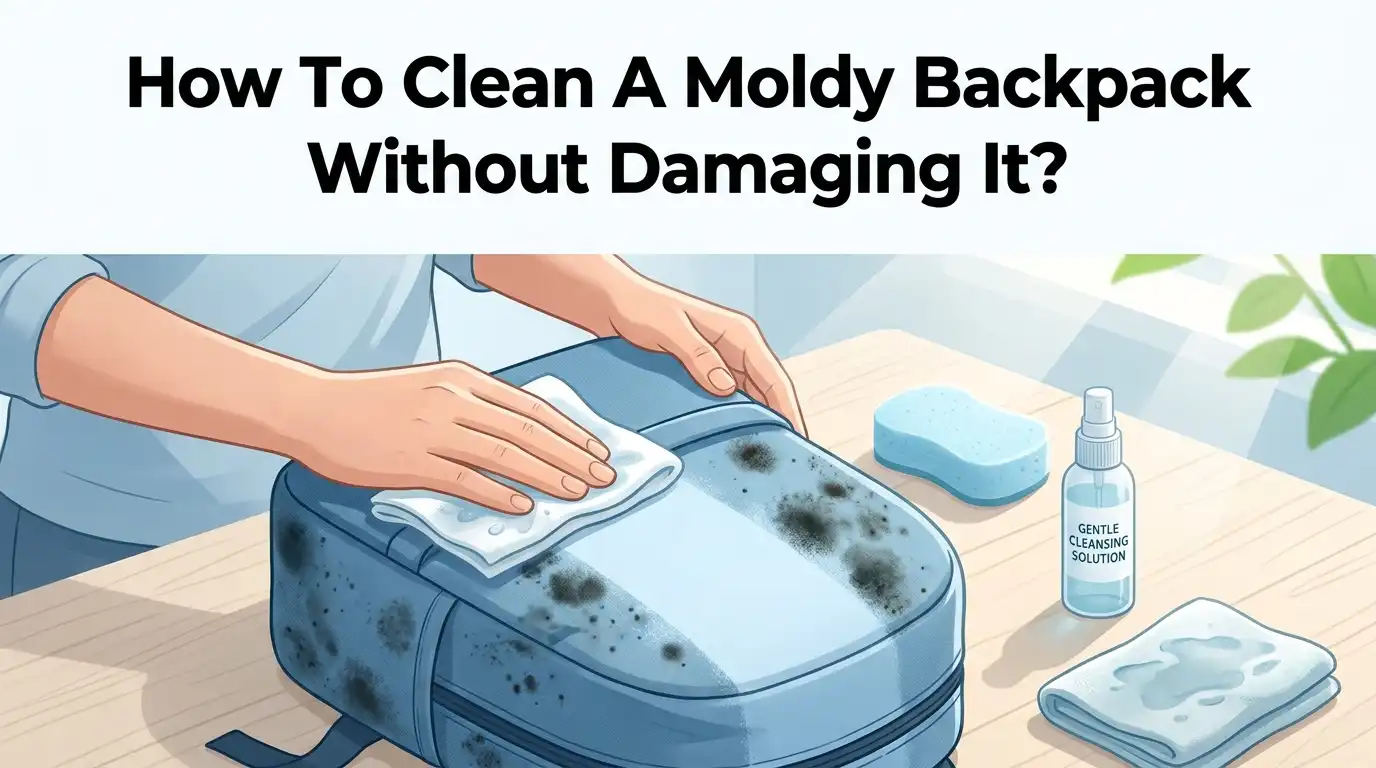
How To Clean A Moldy Backpack Without Damaging It?
Finding mold on your backpack is frustrating. That fuzzy growth and musty smell can make your bag feel completely unusable. The good news? You can remove mold safely without ruining the fabric or material.
Mold spreads quickly in damp, dark conditions. A wet backpack left in a closed space is the perfect breeding ground. Acting fast makes the cleaning process much easier.
This guide walks you through the full process of cleaning a moldy backpack from start to finish. You will learn how to pre-treat mold spots, choose the right cleaning solution, and wash your bag safely.
White vinegar, bleach, and borax are all effective options depending on your backpack’s material. Each method works differently, and knowing which to use matters.
You will also learn how to dry your backpack properly. Incomplete drying is one of the biggest reasons mold comes back.
Whether your backpack has light surface mold or a heavy infestation, this guide covers it all. Follow these steps and your bag will smell fresh and look clean again.
In a Nutshell
Here is a quick summary of what you need to know:
-
Empty your backpack completely before doing anything else. Remove all items, shake out loose debris, and check every pocket.
-
Pre-treat visible mold first. Use a solution of white vinegar and water (1:1 ratio), a diluted bleach mix, or a borax and hot water solution to target mold directly.
-
Scrub the mold gently with a soft washcloth or brush. Do this before machine washing so the mold does not spread inside your washer.
-
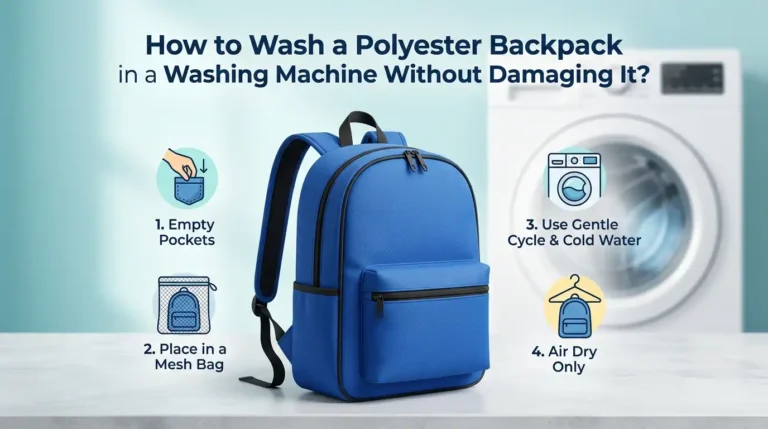
Protect your backpack in the washing machine by placing it inside a mesh laundry bag or pillowcase. Use a normal wash cycle.
-
Rinse thoroughly after any cleaning solution. Leftover residue can damage fabric over time and irritate your skin.
-
Air dry your backpack completely before storing or using it again. Incomplete drying is the most common reason mold comes back.
Skipping any of these steps can lead to lingering mold, damaged fabric, or a fast return of the problem.
Why Mold Grows on Backpacks and Why You Should Act Fast
Mold grows on backpacks because they create the perfect environment for fungal spores. Your backpack sits in damp places like gym bags, car trunks, or closets. It stays moist and dark for long periods. These conditions allow mold to spread fast.
Moisture is the main culprit. Backpacks absorb sweat, rain, and humidity. They don’t dry completely between uses. Mold spores are everywhere in the air. When they land on a damp backpack, they settle in and multiply quickly.
You should act fast because mold spreads rapidly. What starts as a small spot grows into a larger problem within days. The longer you wait, the deeper the mold penetrates into the fabric fibers.
Acting quickly prevents permanent damage. Early treatment stops mold from eating through the material. It also prevents the musty smell from becoming stubborn and hard to remove. Your backpack’s structure stays intact when you treat mold early.
Mold also affects your health. Breathing in mold spores can trigger allergies and respiratory issues. Storing a moldy backpack near your other belongings spreads the problem to clothes and gear.
The good news is simple. You can clean a moldy backpack without throwing it away. Most backpacks respond well to proper cleaning methods. The key is catching the problem soon and treating it correctly.
Waiting makes everything harder. The mold becomes stubborn. Stains set in. Odors become permanent. Your backpack may become unusable. Start cleaning as soon as you spot mold. Your backpack and your health both depend on quick action.
What You Need Before You Start Cleaning
Before you start cleaning your moldy backpack, gather the right supplies. Having everything ready makes the process faster and more effective.
Cleaning solutions are your first priority. White vinegar works well for light mold. Mix it 1:1 with water in a spray bottle. Bleach is stronger for heavy mold, but dilute it carefully in water to avoid fabric damage. Borax mixed with hot water and detergent tackles stubborn mold on visible spots.
Scrubbing tools come next. Soft washcloths are ideal because they remove mold without tearing delicate fabric. Soft bristled brushes also work if your backpack material is sturdy. Avoid wire brushes or rough sponges, as these scratch and weaken the material.
Protection items keep your backpack safe during washing. A mesh laundry bag shields your backpack in the machine. A clean pillowcase works as an alternative if you don’t have a mesh bag. These protect zippers, straps, and seams from getting caught or damaged.
Rinsing supplies matter too. Use clean water in a bucket or spray bottle to rinse away cleaning solutions. Thorough rinsing prevents residue from staying on the fabric.
Drying materials are essential. Towels help absorb excess water after washing. A well ventilated space with air circulation speeds up drying. Never use direct heat like a dryer, as high temperatures damage most backpack materials.
Finally, empty your backpack completely before starting any cleaning. Remove all items, pens, and debris from pockets. Check for anything you might have forgotten inside. This step prevents losing items and lets you clean every corner properly.
How To Choose the Right Cleaning Solution for Your Backpack
Choosing the right cleaning solution depends on how severe your mold problem is and what your backpack is made of. White vinegar is your safest option for most backpacks because it kills mold without harsh chemicals. Mix it 1:1 with water and use it for light to moderate mold growth. Vinegar works slowly but gently on fabrics.
Diluted bleach works faster but requires careful handling. Bleach kills mold aggressively, making it ideal for heavy contamination. Always dilute it properly in water to avoid eating through your backpack material. Never use full strength bleach directly on fabric.
Borax mixed with hot water creates a powerful antimicrobial paste. This option works best for stubborn mold spots you can scrub directly. Borax is less toxic than bleach while still delivering strong results.
Consider your backpack’s fabric before deciding. Synthetic materials like nylon tolerate bleach better than natural fabrics. Cotton and canvas backpacks respond well to vinegar or borax. Check your backpack’s care tag for manufacturer guidance.
Start with the gentlest option first. Try vinegar on a small hidden area to see how your backpack reacts. If vinegar doesn’t work after 24 hours, move to borax. Reserve bleach for severe cases only.
The amount of visible mold also matters. Light surface mold responds to vinegar quickly. Heavy mold covering large areas needs borax or diluted bleach. Assess the damage honestly before choosing your solution.
Mix your chosen solution fresh before use. Old solutions lose their antimicrobial power. Prepare enough to fully soak or spray affected areas. Let the solution sit for the recommended time before scrubbing.
Step-by-Step Guide To Removing Mold From a Backpack
Start by emptying your backpack completely. Remove all items, pockets, and compartments. This step matters because mold spores can hide in small spaces and spread to your belongings.
Next, inspect the backpack carefully. Look for visible mold spots on the exterior and interior surfaces. Mark these areas mentally so you know where to focus your cleaning effort.
Pre treat visible mold before washing. Use your chosen cleaning solution (vinegar, bleach, or borax) and apply it directly to affected spots. Let the solution sit for 10 to 15 minutes. This waiting period allows the antimicrobial agents to break down mold colonies effectively.
Gently scrub the moldy areas with a soft washcloth. Use light pressure to avoid damaging the fabric. Work in circular motions and don’t rush this step. Scrubbing removes mold spores and prevents them from spreading during machine washing.
Rinse the backpack thoroughly with clean water. Use a spray bottle or bucket filled with fresh water. Keep rinsing until you see no more soap or cleaning solution residue. Incomplete rinsing leaves harmful chemicals on the fabric.
Now prepare for machine washing. Place your backpack inside a mesh laundry bag or clean pillowcase. This protects the backpack from agitation damage. Use the normal cycle with mild detergent and cold water.
After washing, remove the backpack immediately. Squeeze out excess water gently with your hands. Do not wring or twist the fabric. Lay the backpack flat or hang it in a well ventilated area to air dry completely.
This process typically takes 24 to 48 hours for full drying. Ensure every corner and pocket dries thoroughly before storing your backpack away.
How To Safely Machine Wash a Moldy Backpack
Machine washing your moldy backpack works well when you follow the right steps. The key is protecting your backpack while the washer does the cleaning work.
Start by placing your backpack inside a mesh laundry bag or pillowcase before putting it in the machine. This protective layer prevents your backpack from getting caught on the washer’s agitator or damaged by rough spinning. The bag also keeps any remaining mold spores contained during the wash cycle.
Set your washing machine to a normal or gentle cycle with cold water. Hot water can damage certain fabrics and cause colors to fade or bleed. Use your regular laundry detergent mixed with a small amount of your pre treatment solution if desired, though this step is optional since you already pre treated the mold.
Run one complete wash cycle and let the machine finish naturally. Avoid using the heavy duty setting, as this creates too much agitation for a damp backpack full of cleaning solution residue.
Remove your backpack from the machine immediately after the cycle ends. Leaving it wet in the machine encourages new mold growth and creates bad odors.
Never put your backpack in the dryer. Machine dryers use high heat that can melt synthetic fabrics, warp plastic zippers, and damage foam padding. Instead, air dry your backpack completely before storing it away.
Hang your backpack in a well ventilated area or place it outside in direct sunlight. Sunlight naturally kills remaining mold spores. Check that all pockets and compartments are completely dry before you use your backpack again. This entire process usually takes 24 to 48 hours depending on humidity levels.
How To Properly Dry Your Backpack To Prevent Mold From Returning
Proper drying is critical to stop mold from returning to your backpack. Moisture feeds mold growth, so you must remove all water completely before storing your backpack away.
Start by gently squeezing excess water from your backpack after washing. Do not wring or twist the fabric, as this causes damage. Use clean towels to blot the outside and inside surfaces. Press the towels against the material to absorb trapped moisture.
Next, choose your drying location carefully. Air drying is your best option. Hang your backpack in a space with good air flow and natural light. Windows work well because sunlight helps kill remaining mold spores naturally.
Position your backpack so air can reach all surfaces. Open all pockets and compartments fully. Flip the backpack occasionally during drying so both sides dry evenly. This prevents moisture from pooling in hidden areas.
Drying typically takes 24 to 48 hours depending on humidity and backpack size. Check your backpack frequently by feeling the fabric. The material should feel completely dry, not damp or cool to the touch.
Never use a clothes dryer or heat gun on your backpack. High heat damages most fabrics and can warp the structure. Avoid direct heat sources like radiators or space heaters.
If you live in a humid climate, consider placing your backpack near a fan. Moving air speeds up evaporation. You can also use silica gel packets nearby to absorb extra moisture from the environment.
Once your backpack is completely dry, store it in a cool, dry place. Use breathable storage bags rather than plastic containers. This final step prevents mold from returning and keeps your backpack ready for your next adventure.
Common Mistakes That Can Damage Your Backpack During Mold Removal
Using excessive bleach is one of the biggest mistakes people make. Bleach breaks down fabric fibers and creates permanent discoloration. Stick to diluted solutions only, and always test on a hidden area first. Too much bleach can turn your backpack into a spotted mess.
Skipping the pre treatment step causes problems later. If you don’t scrub off visible mold before washing, the spores spread throughout your machine. This actually makes the mold worse instead of better. Always remove surface mold with a gentle scrub first.
Inadequate rinsing leaves cleaning solution residue on your backpack. These chemicals can weaken the fabric and cause it to deteriorate faster. Rinse multiple times until the water runs completely clear. Your backpack deserves thorough rinsing.
Incomplete drying is perhaps the worst mistake of all. Mold returns quickly if your backpack stays damp. Never rush the drying process. If you try to speed things up with a hairdryer or heat gun, you risk melting synthetic materials or shrinking the fabric.
Overloading your washing machine reduces cleaning effectiveness. Your backpack needs space to move around freely. Cramming it with other items prevents proper water circulation and rinsing. Wash your backpack alone or with only lightweight items.
Using hot water on delicate materials causes damage. Cold water works just fine for mold removal. Hot water can shrink certain fabrics and harm waterproof coatings.
Ignoring the mesh laundry bag step puts your backpack at risk. The bag protects zippers, straps, and seams from getting caught. Your machine’s agitation can tear these components without protection. Always use this simple safeguard.
How To Keep Your Backpack Mold-Free Long Term
Keeping your backpack mold-free long term requires simple habits and smart storage choices. The key is prevention rather than constant cleaning.
Store your backpack in a cool, dry location away from moisture. Basements and damp closets create ideal conditions for mold growth. Choose a shelf in your bedroom closet or a dry corner of your garage instead.
After each use, especially after outdoor activities, wipe down your backpack with a dry cloth. This removes surface moisture before it settles into the fabric. Leave your backpack open or partially unzipped for a few hours so air can circulate through all pockets and compartments.
Never store your backpack while it’s damp or wet. Always ensure it’s completely dry before putting it away. If your backpack gets wet from rain or sweat, hang it outside or near a fan for several hours.
Use silica gel packets or activated charcoal inside your backpack during storage. These absorb excess moisture from the air and prevent mold spores from taking hold. Replace them every few months or when they become saturated.
Check your backpack regularly during storage. Open it up once a month and inspect the interior for any signs of moisture or musty smells. Early detection stops small mold problems before they spread.
Improve air circulation in your storage area. A small fan running nearby helps keep humidity levels low. Avoid storing your backpack in sealed plastic containers, which trap moisture and encourage mold development.
These simple steps keep your backpack fresh and mold-free for years. Consistent care takes just minutes but saves you from extensive cleaning later.
Final Thoughts
Dealing with a moldy backpack can feel overwhelming, but the process is straightforward once you know the right steps.
The key is to act quickly. Mold spreads fast, and the longer you wait, the harder it becomes to remove completely.
Start by always emptying your backpack fully before any cleaning begins. Pre-treating visible mold with a white vinegar solution or a diluted bleach mix makes a big difference. Skipping this step means mold spores survive the wash cycle.
Gentle scrubbing before machine washing is essential. Use a soft washcloth to remove visible mold first. This prepares the fabric for a deeper clean.
When machine washing, always use a mesh laundry bag or pillowcase. This simple step protects your backpack’s zippers, straps, and fabric from damage during the wash cycle.
Rinsing thoroughly matters more than most people realize. Leftover cleaning solution residue can weaken fabric fibers over time. Always rinse until the water runs completely clear.
Complete air drying is non-negotiable. Any remaining moisture creates the perfect environment for mold to return. Give your backpack a full 24 to 48 hours to dry before storing it.
Consistency in your habits after cleaning is what truly protects your backpack long term. Simple actions like wiping it down after use and storing it in a dry place make all the difference.
Mold removal does not have to mean replacing your backpack. With the right cleaning solutions, careful technique, and proper drying, your backpack can look and smell fresh again.
Follow these steps every time, and mold will not stand a chance.
Frequently Asked Questions
Can I machine wash a moldy backpack safely?
Yes, you can machine wash a moldy backpack if you take the right steps. First, empty your backpack completely and scrub off visible mold with a soft washcloth. Pre-treat the affected areas with a cleaning solution like white vinegar or a diluted bleach mixture.
Place your backpack inside a mesh laundry bag or pillowcase before putting it in the washing machine. This protects the fabric from agitation damage. Use a normal cycle with cool water and regular detergent.
After washing, rinse the backpack thoroughly under clean running water to remove all soap residue.
What cleaning solution works best for mold removal?
White vinegar is an excellent choice for mold removal. Mix equal parts vinegar and water, then spray or soak the moldy areas.
A diluted bleach solution also works well for stubborn mold, but use it carefully since bleach can damage certain fabrics. Borax mixed with hot water and detergent is another effective option.
Test any solution on a hidden area of your backpack first to ensure it won’t cause discoloration or damage.
How long does it take to dry a clean backpack?
Drying time depends on your backpack’s material and size. Most backpacks need 24 to 48 hours of air drying to dry completely.
Place your backpack in a well ventilated area away from direct sunlight. Never use a dryer, as heat can damage the fabric and straps.
Check that all interior pockets and compartments are completely dry before storing your backpack.
Why is incomplete drying dangerous?
Incomplete drying allows mold to regrow quickly. Moisture trapped inside creates the perfect environment for mold spores to multiply.
Store your backpack only after it’s completely dry throughout. This prevents mold from returning within weeks.

Hi, I’m Luna Beck — the founder and voice behind Urban Pack Vault. I’m passionate about helping people find bags that perfectly match their lifestyle. From backpacks to travel luggage, I research, review, and recommend so you never have to second-guess your next purchase.