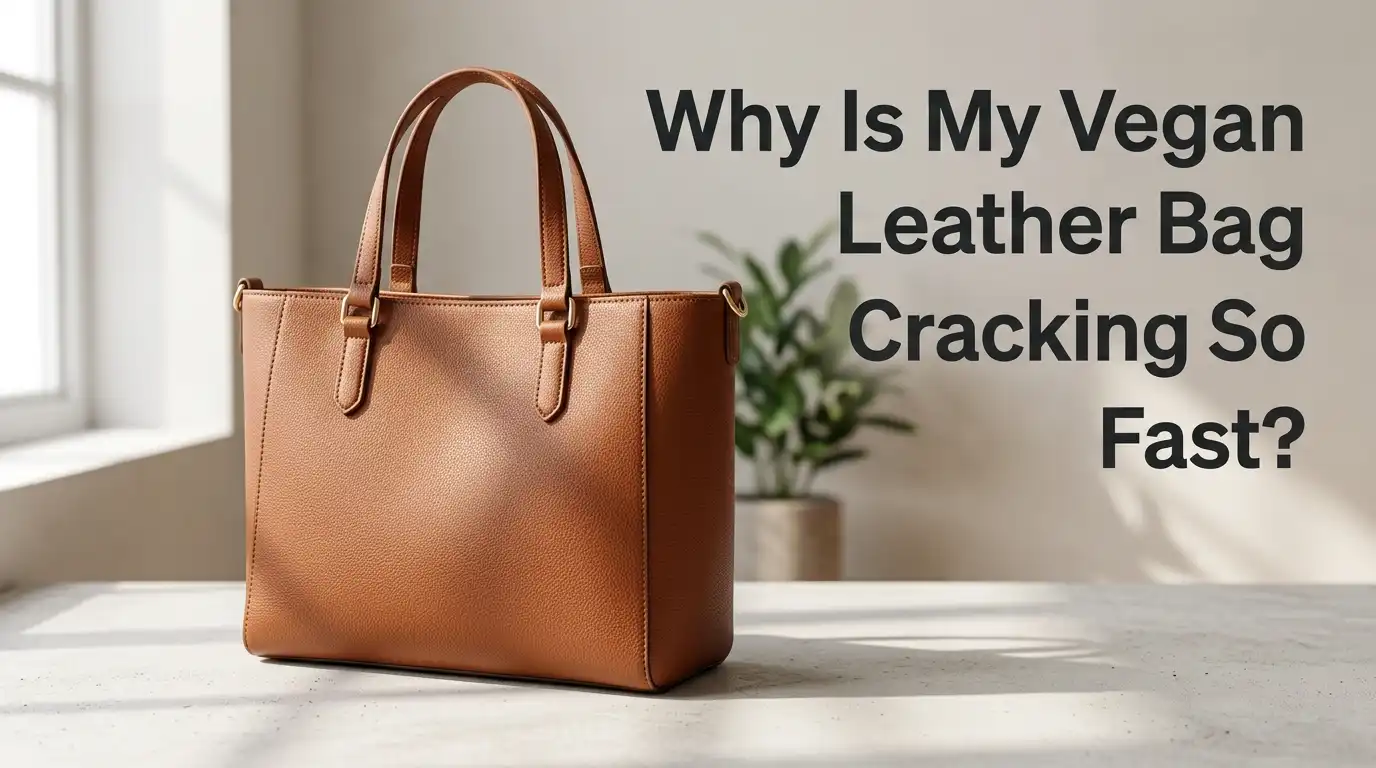
Why Is My Vegan Leather Bag Cracking So Fast?
You bought a beautiful vegan leather bag. It looked sleek, felt soft, and matched everything. But just months later, you spot tiny cracks along the handle. Then the surface starts peeling near the corners. You feel cheated, confused, and a little frustrated.
You are not alone. Most vegan leather bags crack within one to two years. Some show damage in just a few months. The good news is that you can slow this damage down.
You can also fix small cracks before they spread. This guide explains every reason your bag is failing. It also gives you simple steps to protect it from now on.
In a Nutshell
- Vegan leather is plastic at heart. Most bags use PU (polyurethane) or PVC (polyvinyl chloride). These materials dry out, harden, and crack over time. Real leather softens with age, but vegan leather does the opposite.
- Heat, sun, and humidity speed up cracking. Leaving your bag in a hot car or by a sunny window breaks down the plastic coating fast. UV rays are the biggest enemy of synthetic materials.
- Overstuffing and friction cause early peeling. When you pack too much or rub the bag against rough surfaces, the top layer stretches and snaps. Handles and corners crack first.
- Wrong cleaning products destroy the surface. Harsh chemicals, alcohol wipes, and oily conditioners eat through the plastic finish. Mild soap and water work best for routine care.
- Storage matters more than you think. Damp closets, plastic bags, and folded shapes cause hidden damage. Stuff your bag and let it breathe in a cool, dry spot.
- Small cracks can be repaired at home. Vinyl repair kits, leather paint, and fabric backing patches give you another year or two of use.
What Vegan Leather Actually Is
Vegan leather is not one single material. It is a wide group of fake leathers. Most cheap vegan bags use PU (polyurethane) or PVC (polyvinyl chloride). Both are plastics. They sit on a fabric backing like polyester or cotton.
Some newer bags use plant based options like cactus leather, apple leather, or pineapple fiber. These still contain plastic resins to bind them. So they also crack, just a bit slower in some cases.
The key fact is simple. Vegan leather has a thin top coat. This coat looks like leather but acts like plastic film. Over time, the plastic loses its flexible chemicals. It hardens. Then it cracks. Knowing this helps you set fair expectations and plan better care.
Why Vegan Leather Cracks So Quickly
Real leather has natural fibers that bend and breathe. Vegan leather does not. Its plastic coating contains plasticizers. These are soft chemicals that keep the surface flexible. As your bag ages, those plasticizers slowly evaporate. The plastic stiffens and breaks.
Three things speed this up. Heat drives the plasticizers out faster. UV light breaks the polymer chains. Moisture weakens the bond between the plastic and the fabric backing.
Most PU bags start showing damage in 6 to 18 months of daily use. PVC lasts a bit longer but feels stiffer. Even premium vegan bags rarely match real leather durability. Knowing the science means you can fight back with smart habits.
The Role of Heat and Sunlight
Sunlight is the top cause of fast cracking. UV rays attack the surface coating. They make it brittle in weeks. Leaving your bag in a parked car during summer can ruin it in a single afternoon. Car interiors hit 140°F easily.
Heat also pulls moisture and softeners out of the plastic. The surface looks dull, then dry, then cracked. You may even notice a sticky feel before cracks appear. That is the plastic starting to break down.
Pros of avoiding heat exposure:
- Doubles or triples the bag’s lifespan.
- Keeps colors bright and surface smooth.
- Costs nothing to do.
Cons:
- You must plan ahead in summer.
- You may need a small umbrella or cover for rainy heat.
Always store your bag away from windows, radiators, and car dashboards.
How Overstuffing Damages the Surface
Many people overload their bags without thinking. A vegan leather bag has limits. The top coating only stretches so far. When you stuff it past that point, the surface develops stress lines. These lines turn into cracks within weeks.
The handles suffer the most. They carry the full weight every time you lift the bag. The bend points crack first. Corners come next because the material folds sharply there.
Pros of packing lighter:
- Handles stay smooth and strong.
- The base keeps its shape.
- Zippers and seams last longer.
Cons:
- You carry less stuff each day.
- You may need a second small pouch for extras.
A simple rule helps. Keep the bag at 70 percent capacity or less. If the sides bulge, lighten the load.
Cleaning Mistakes That Cause Cracks
Wrong cleaning products kill vegan leather fast. Alcohol wipes strip the protective coating. Bleach causes instant damage. Even baby wipes contain chemicals that dry out the surface. Olive oil and coconut oil break down plastic over time.
The right way is gentle and slow. Use a soft microfiber cloth. Add a drop of mild dish soap to lukewarm water. Wipe in small circles. Then wipe again with a clean damp cloth to remove soap.
Pros of mild cleaning:
- Safe for all vegan leather types.
- Costs almost nothing.
- Removes most everyday dirt.
Cons:
- Stubborn stains need more work.
- You should clean small spills right away.
Dry the bag with a soft towel. Never use a hair dryer. Heat from a dryer causes the same damage as sunlight.
Should You Use a Conditioner?
This is a debated topic. Real leather needs conditioner. Vegan leather is different. Most experts say you should not use oil based conditioners on PU or PVC. The oils soak in unevenly and weaken the plastic.
Some brands now sell PU safe vegan conditioners. These are water based and gentle. They add a thin protective layer. Use them every 6 to 12 months at most. Always test on a hidden spot first.
Pros of vegan safe conditioner:
- Adds a protective barrier.
- Can slow surface drying.
- Helps maintain a soft feel.
Cons:
- Wrong product causes peeling.
- Frequent use builds up residue.
- Not all bags respond well.
If you are unsure, skip the conditioner. Good storage and clean wiping do most of the work on their own.
Storage Habits That Protect Your Bag
How you store your bag matters as much as how you use it. A damp closet causes mold and softens the backing. A hot attic dries the coating. Stuffing it in a plastic bin traps moisture inside.
The best storage is cool, dry, and dark. Use a cotton dust bag if you have one. Pillowcases also work fine. Fill the inside with soft paper or bubble wrap to hold its shape.
Pros of good storage:
- Prevents creases that crack later.
- Keeps the shape sharp.
- Blocks dust and light damage.
Cons:
- Takes up shelf space.
- Requires a bit of setup time.
Never hang a vegan leather bag by its straps for long periods. The weight stretches the handles. Lay it flat or stand it upright on a shelf instead.
The Impact of Humidity and Moisture
Moisture is a silent killer. Vegan leather seems waterproof on the surface. But water seeps through stitching, edges, and seams. Once it reaches the fabric backing, it weakens the glue holding the plastic on. That is when peeling starts.
Rain is one issue. Sweat from your hands is another. The natural oils on your palms slowly transfer to the handle. Over months, that spot darkens, softens, and cracks first.
If your bag gets wet, blot it gently with a dry towel. Never rub. Let it air dry away from heat. Stuff the inside with paper to hold the shape while it dries.
Pros of moisture control:
- Stops peeling before it starts.
- Keeps colors even.
- Protects stitching and seams.
Cons:
- You must act fast after spills.
- Daily users need extra care.
How to Repair Small Cracks at Home
Small cracks are fixable. You can extend the life of your bag by a year or more. The most common method is a vinyl and leather repair kit. These kits include color matched filler, a smoothing tool, and sealant.
Clean the cracked area first. Apply a thin layer of filler with the spatula. Let it dry. Add another thin layer if needed. Once dry, lightly buff with a soft cloth.
Pros of DIY repair:
- Cheap and fast.
- Hides cracks well from a distance.
- Works on most PU and PVC bags.
Cons:
- Repairs may not last forever.
- Color matching can be tricky.
- Will not fix large peeling areas.
For deep peeling, fabric backing patches glued from inside the bag give extra strength. Acrylic leather paint can also refresh faded spots.
When to Repair and When to Replace
Sometimes a bag is past saving. If more than 30 percent of the surface is peeling, repair becomes a waste of time. Structural damage like torn straps or broken zippers also signals the end.
Look at the cost too. If repair supplies cost more than half the bag’s price, replacement makes more sense. Also check the lining. A shredded lining often means the whole bag is breaking down inside.
Pros of repairing:
- Saves money in the short term.
- Keeps a favorite bag in rotation.
- Reduces waste.
Cons:
- May only buy a few extra months.
- Cracks often return nearby.
- Time consuming for large damage.
A good rule is the one year test. If repairs will keep the bag usable for at least another year, go for it. If not, plan a replacement.
How to Pick a Longer Lasting Vegan Bag Next Time
Your next bag can last much longer if you shop smart. First, check the material label. PVC tends to crack sooner than thick PU. Higher grade PU with a soft hand feel usually lasts longer. Plant based options vary widely, so read reviews.
Feel the surface. A good vegan leather should feel smooth but not slick. Slick often means a thin coating. Look at the stitching. Tight, even stitches mean better construction. Loose threads point to a short lifespan.
Pros of investing more upfront:
- Better materials last longer.
- Better stitching holds up under stress.
- Lower cost over time.
Cons:
- Higher initial price.
- Not all expensive bags are well made.
Ask brands about their expected lifespan and care advice. Honest answers signal a quality maker. Vague promises are red flags.
Daily Habits That Add Years to Your Bag
Small daily habits make a huge difference. Rotate between two or three bags if possible. This lets each one rest and recover. The plasticizers spread back evenly during rest periods.
Wipe your bag down once a week with a dry microfiber cloth. This removes dust and skin oils before they sink in. Empty the bag fully every few days. Heavy items left in corners cause hidden stress cracks.
Pros of daily care:
- Spreads wear evenly across bags.
- Catches problems early.
- Builds a long term care routine.
Cons:
- Takes a few extra minutes each week.
- Needs you to remember the routine.
Keep your bag off the floor in public places. Use bag hooks instead. Floors carry grit and moisture that scratch and weaken the surface fast.
Frequently Asked Questions
How long should a vegan leather bag last?
Most vegan leather bags last between 6 months and 5 years. Cheap PVC bags often crack within a year. Mid range PU bags usually give 1 to 3 years with daily use. Premium and plant based versions can reach 3 to 5 years with careful care.
Can I use coconut oil on my vegan leather bag?
No, you should avoid coconut oil. It breaks down the plastic coating over time. Oils also leave dark stains and uneven shine. Use a PU safe water based conditioner instead, or just stick with mild soap and water.
Why are the handles cracking first?
Handles bend and carry weight every single day. They also absorb sweat and oils from your hands. The constant flexing breaks the plastic coating at fold points. Wiping the handles weekly and rotating bags helps slow this damage.
Can peeling vegan leather be fully repaired?
Small cracks and peeling can be patched well. Large peeling areas rarely repair cleanly. Once the fabric backing shows through across wide sections, the bag is near the end of its life. Repair kits work best for early damage.
Does refrigeration or freezing help preserve vegan leather?
No, extreme cold is just as bad as extreme heat. Cold makes the plastic stiff and brittle. Room temperature storage between 60 and 75°F works best. Keep humidity moderate, around 40 to 50 percent.
Is plant based vegan leather more durable than PU?
It depends on the brand and blend. Some plant based options like cactus and apple leather show good durability with proper care. Others crack faster than PU because of weaker binders. Always read reviews and ask brands about real world wear.
Should I waterproof my vegan leather bag?
A light water repellent spray made for synthetic materials can help. Test it on a hidden spot first. Avoid sprays meant for real leather. They contain oils and waxes that may damage the plastic surface.

Hi, I’m Luna Beck — the founder and voice behind Urban Pack Vault. I’m passionate about helping people find bags that perfectly match their lifestyle. From backpacks to travel luggage, I research, review, and recommend so you never have to second-guess your next purchase.