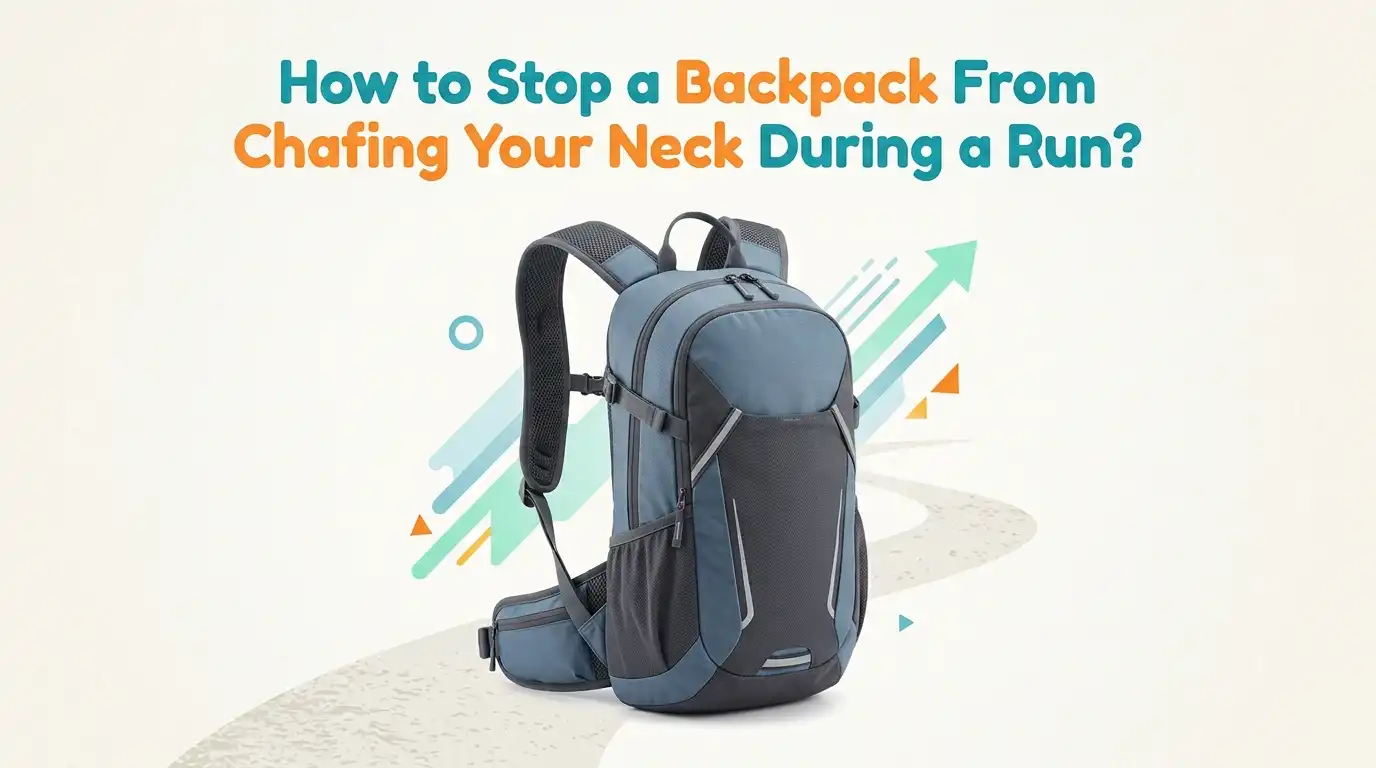
How to Stop a Backpack From Chafing Your Neck During a Run?
You are three miles into a beautiful trail run. The sun is out, your legs feel strong, and the rhythm is perfect. Then you feel it. A hot, burning sensation creeps across the back of your neck where your backpack strap sits.
By mile five, that tiny irritation has become a raw, painful rash. You spend the rest of your run pulling at your straps and twisting your shoulders, just trying to find some relief.
Neck chafing from a running backpack is one of the most frustrating problems a runner can face. Research shows that 42 percent of road runners experience some form of chafing, and neck irritation ranks high on the list for those who wear hydration vests or packs.
In a Nutshell:
- A backpack that moves too much is the number one cause of neck chafing. If your pack bounces or shifts as you run, it rubs the same patch of skin thousands of times per run. Tightening your straps and dialing in the fit is your first and most important fix.
- Anti-chafe balms and creams create a protective barrier on your skin. Products like Body Glide, petroleum jelly, or specialized running lubricants reduce friction dramatically. Apply them to your neck and shoulders before every run, even short ones.
- Your choice of shirt collar makes a bigger difference than you think. A wide collar tank top exposes bare skin to the strap. A crew neck shirt or a mock neck top creates a fabric shield between your skin and the pack material.
- Kinesiology tape applied directly to the skin or the pack strap is a game-changer. Many ultrarunners swear by this method. The tape stays put for hours and eliminates all direct friction at the contact point.
- Your hydration and salt levels play a hidden role in chafing. When you get dehydrated, your sweat becomes saltier. Salt crystals dry on your skin and act like sandpaper under your pack strap. Drink enough water and rinse your neck at aid stations during long runs.
- A poorly designed or wrong-sized pack may be the real culprit. Some packs naturally sit higher and closer to the neck. If you have tried everything else and still chafe, it may be time to switch to a vest that has a wider neck opening and lower shoulder strap placement.
Understand Why Your Backpack Chafes Your Neck
Before you can fix the problem, you need to know exactly what causes it. Chafing happens when friction rubs the surface of your skin repeatedly. A running backpack adds a new variable to this equation.
Every stride you take creates a tiny bounce in your pack. Over a one hour run at 160 steps per minute, that strap rubs against your neck nearly 10,000 times. That is a lot of friction.
Moisture makes everything worse. Sweat softens your skin and makes it more vulnerable to damage. Salt from dried sweat adds a gritty texture that increases abrasion. Hot and humid weather speeds up this entire process.
The material of your pack strap also matters. Some vests use a tougher, more abrasive mesh near the neck area that grabs your skin instead of gliding over it. A pack that fits correctly should feel like a firm hug around your ribcage.
Pros: You can pinpoint the exact cause of your neck chafing by observing where the redness appears and when it starts during your run. Cons: Figuring out whether the problem is the fit, the fabric, the weather, or your shirt can take a few test runs of trial and error.
Dial In the Fit of Your Running Pack First
The single most effective thing you can do is adjust your pack so it barely moves. Most runners wear their packs too loose. A running vest or backpack is not like a school backpack. It needs to sit tight against your torso.
Start by loosening all the straps. Put the pack on and pull the side adjustment straps until the pack hugs your ribcage snugly. You want zero slack but no restriction on your breathing.
Next, adjust the sternum straps across your chest. Many runners make the mistake of pulling these too high, which tilts the shoulder straps inward and forces them closer to the neck. Arrange the chest straps so they form a gentle V shape pointing downward.
This pulls the shoulder straps outward and away from your neck. The pack should feel locked onto your ribcage, not hanging from your shoulders.
Pros: This fix costs nothing and takes less than two minutes. You will feel the difference immediately. Cons: Some cheap or poorly designed packs simply cannot achieve a stable fit no matter how you adjust them. In those cases, the adjustments will only help so much.
Choose the Right Shirt to Shield Your Neck
Your shirt is the first line of defense between your skin and the pack strap. A sleeveless tank top with thin straps may feel cool on a hot day, but it leaves your entire neck and upper shoulder exposed. The pack strap sits directly on bare skin, and the friction is immediate.
Pick a shirt with a crew neck or a mock neck collar. A higher collar creates a fabric barrier that stays between your skin and the strap for your entire run. Look for shirts made from synthetic moisture-wicking materials like polyester or nylon.
Cotton soaks up sweat and stays wet, which makes chafing worse. Some runners love sun hoodies for long trail runs because the hood adds an extra layer of protection across the back of the neck. Others prefer short sleeve button up running shirts because the collar stands up and shields the neck without adding heat.
Pros: A good shirt eliminates skin-to-strap contact completely and pulls sweat away from your body. Cons: On extremely hot days, a higher collar may feel warmer. It also means you may need to buy a few new running shirts.
Use Anti-Chafe Balms and Creams Before Every Run
Anti-chafe products create a slick, protective layer on your skin. They work by reducing the coefficient of friction, which means the strap slides instead of grabbing.
Apply the balm directly to your neck, the top of your shoulders, and anywhere else the pack touches your skin. Do this before you put your shirt on so you can cover all the contact points.
Petroleum jelly is the classic budget option. It works well but can feel greasy and may stain some fabrics. Specialized running balms like Body Glide go on clear and dry.
They feel less messy and wash out of clothes easily. For longer runs, bring a small travel size stick in your pack pocket. Reapply at the first sign of a hot spot.
Some runners prefer a powder based product to absorb moisture instead of adding a greasy layer. Experiment with both to see which texture you prefer.
Pros: Anti-chafe balms are cheap, widely available, and effective for most runners. They work instantly. Cons: They wear off after a few hours of heavy sweating. You need to reapply on runs longer than two hours. They also do not fix a pack that fundamentally does not fit you.
Try Kinesiology Tape on Your Skin or the Pack Strap
Kinesiology tape or KT tape is a flexible, fabric based athletic tape that sticks to skin for days. It has become a secret weapon among ultrarunners for preventing chafing.
The idea is simple. You place a strip of tape over the area of your neck that usually gets irritated. The tape becomes a smooth, friction-free surface that takes the abuse instead of your skin.
Cut a strip about four inches long. Round the corners so they do not peel up. Apply the tape to clean, dry skin at least 30 minutes before your run. Press it firmly and rub it to activate the adhesive.
The tape will stay in place through sweat, rain, and even a quick shower. An alternative method is to stick the tape directly onto the inside of the pack strap where it touches your neck.
Pros: KT tape is sweat-proof, stays on for hours, and provides a reliable physical barrier. You can apply it once and forget about it. Cons: Removing the tape can be uncomfortable if you have sensitive skin. It also costs more per use than a balm.
Wear a Neck Gaiter or Bandana as a Buffer
A lightweight neck gaiter or a simple cotton bandana can solve your neck chafing problem in seconds. Fold the bandana into a strip and tie it loosely around your neck. Tuck it under the collar of your shirt so it stays in place. The fabric acts as a soft cushion between your skin and the pack strap.
This method works especially well on cold morning runs when you want a little extra warmth anyway. On hot days, choose a moisture-wicking gaiter made from a synthetic blend. You can dip it in cold water before your run for extra cooling.
Many runners use a buff style gaiter that they already carry for sun and dust protection. One runner on a trail running forum shared that he pretends to be a cowboy yelling yee haw on downhills, but the real benefit is that the bandana stops his pack from rubbing his neck raw. Function and fun combined.
Pros: A gaiter or bandana is cheap, reusable, and easy to carry. It can serve multiple purposes during a run. Cons: It adds a layer around your neck, which may feel too warm on hot summer days. It also needs to stay positioned correctly throughout the run.
Stay Hydrated and Rinse Off Salt During Long Runs
Hydration affects chafing more than most runners realize. When you run low on water, your body conserves fluid. Your sweat becomes more concentrated with salt.
That salty sweat dries on your skin and leaves behind tiny, sharp crystals. Under a pack strap, those crystals act like fine grit sandpaper. Every step grinds them into your softened, sweaty skin.
Drink water consistently throughout your run. Do not wait until you feel thirsty. For runs longer than 90 minutes, include an electrolyte drink to replace the salts you lose through sweat.
If you have access to water at aid stations or fountains, splash some on the back of your neck. Rub the area gently to rinse off dried salt.
Pros: Staying hydrated is free and benefits your entire body, not just your neck. Rinsing off salt gives instant relief. Cons: You have to be intentional about drinking often, and you need access to water along your route.
Pack Lighter and Distribute Weight Better
An overloaded backpack pulls downward and backward. Your shoulders instinctively hunch forward to compensate, which pushes the straps deeper into your neck. Take everything out of your pack before your next run. Look at each item and ask yourself if you truly need it. Remove anything that is not essential.
Place the heaviest items, like a water bladder, closest to your spine and centered between your shoulder blades. This keeps the weight balanced and stops the pack from sagging backward. If you carry two soft flasks in the front pockets, make sure they are equally full.
An unbalanced load twists the pack to one side and creates uneven friction on one side of your neck. For runs under an hour, consider leaving the pack at home entirely. A handheld water bottle or a running belt can carry your essentials without touching your neck at all.
Pros: A lighter pack is more comfortable in every way. Your shoulders, back, and neck all benefit. Cons: You may have to adjust your gear strategy and leave some comfort items behind.
Modify the Strap With a Soft Cover or Padding
If you love your pack but hate the rough strap material near your neck, modify it. Sew a soft piece of fleece, neoprene, or even a cut up old t-shirt onto the inside of the strap. Wrap the fabric around the strap and stitch it in place or use fabric glue. This creates a permanent soft buffer.
Some runners use adhesive moleskin, the same product designed for foot blisters, and stick it onto the pack strap. It provides a smooth, low-friction surface that lasts for weeks.
Another option is to wrap the strap with a silicone grip sleeve or a padded shoulder strap cover sold for regular backpacks.
Pros: This is a one time fix that permanently solves the problem for a specific pack. It costs very little. Cons: Sewing or gluing modifies your pack and could affect its warranty. The added layer may trap heat.
Consider Switching to a Different Running Vest Design
Sometimes the pack itself is the problem. Some running vests have shoulder straps that join together high on the chest, near the collarbone.
This pulls the straps inward and presses them against the base of the neck. Other designs use a wider spacing that drops the straps lower onto the shoulders, completely away from the neck.
If you have tried all the previous solutions and still chafe, visit a running store and try on different packs. Pay attention to where the inner edge of the shoulder strap sits in relation to your neck.
Look for vests with shoulder straps that angle outward and sit lower on the chest. Packs that use a single center sternum strap in a V shape tend to keep straps wider than those with two horizontal chest straps.
Pros: A well-designed vest can eliminate neck chafing completely without any extra tape, balm, or clothing modifications. Cons: Buying a new pack is an expensive solution and should be your last resort after trying everything else.
Treat Chafed Skin Quickly to Heal Faster
Even with the best prevention, chafing can still happen on a hot, humid day or an unusually long run. Treat it as soon as you get home. Step into a lukewarm shower.
Hot water will sting the raw skin terribly. Gently wash the area with a mild, fragrance-free soap. Pat the skin dry with a soft towel. Do not rub.
Apply a zinc oxide cream or a diaper rash ointment to the red areas. These products soothe inflammation and create a moisture barrier that lets the skin heal. Wear loose, soft clothing for the rest of the day. Avoid anything with a collar that rubs the same spot.
Give your skin at least 24 to 48 hours to heal before your next run with a pack. If the skin is bloody, blistered, or shows signs of infection like pus or spreading redness, see a doctor. Most mild cases clear up in a day or two with proper care.
Pros: Quick treatment prevents a mild hot spot from becoming a serious wound. You will be back on the trail sooner. Cons: You may need to skip a run or switch to a handheld bottle while your skin recovers.
Prepare a Chafe Prevention Kit for Your Long Runs
Long runs and races require a more proactive approach. You cannot always stop and adjust things the moment you feel a hot spot. Pack a small prevention kit in one of your vest pockets.
Your kit should include a travel size anti-chafe balm, a few strips of pre-cut kinesiology tape, a small folded bandana, and a couple of alcohol wipes.
Use the alcohol wipe to clean and dry the skin before applying tape or balm mid-run. The skin must be dry and free of salt for anything to stick. Reapply your balm at regular intervals, such as every 90 minutes, even if you do not feel any irritation yet.
Stop and check your neck area whenever you refill your water. Catching a hot spot early means a quick dab of balm solves the problem in seconds. Ignoring it means finishing your run with a painful, raw neck that takes days to heal.
Pros: A small kit costs almost nothing and fits in any pack pocket. It gives you peace of mind on long adventures. Cons: You have to remember to pack it and take the time to use it during your run.
Test Everything on a Short Run Before Race Day
Never try a new anti-chafe strategy on race day. A product that feels great for 30 minutes might wear off after two hours. A new shirt that fits well in the store might shift and bunch under your pack after a few miles.
Do at least two or three training runs with your full race setup. Use the same pack, the same shirt, the same balm or tape, and the same hydration plan.
Pay attention to how your neck feels at the one hour mark, the two hour mark, and at the end of your run. If you notice any redness or tenderness, adjust one thing at a time.
Change your shirt collar, tighten your sternum strap, or try a different tape placement. Testing eliminates uncertainty and lets you show up on race morning knowing your setup works. Confidence in your gear frees your mind to focus on the run itself.
Pros: Testing builds confidence and catches problems before they ruin a race. It costs nothing but a little extra planning. Cons: It requires time and discipline during your training weeks, which can feel tedious when you just want to run.
Frequently Asked Questions
Why does my backpack only chafe my neck when I wear a tank top?
A tank top exposes your skin directly to the pack strap. The strap rubs against bare, sweaty skin with every stride. A crew neck t-shirt creates a fabric barrier that absorbs the friction. If you love running in tank tops, use kinesiology tape or anti-chafe balm on the exposed skin areas to compensate for the missing fabric shield.
Can I use regular medical tape instead of kinesiology tape for my neck?
Regular medical tape does not flex or stretch, so it may pull on your skin and peel off when you sweat. Kinesiology tape is designed to move with your body and withstand moisture. It is worth buying the right tape for this purpose. However, in a pinch, a smooth adhesive bandage placed over the hot spot can provide temporary relief on shorter runs.
How tight should my running backpack feel?
A running backpack should feel snug, like a firm hug around your ribcage. You should not be able to easily slide more than one or two fingers under the shoulder straps near your neck. The pack should not restrict your breathing, but it also should not bounce or shift when you jump in place. Take a few minutes before each run to dial in the straps.
Does neck chafing mean my pack is the wrong size?
Not always. Many neck chafing issues come from improper strap adjustment, not wrong sizing. However, if you have tightened every strap and the shoulder straps still ride up against your neck, your pack may be too large or simply designed with a narrow neck opening. Try on other brands to compare the strap placement.
How do I treat a raw neck after a run?
Clean the area gently with lukewarm water and mild soap. Pat it completely dry. Apply a zinc oxide cream or petroleum jelly to soothe the skin and lock in moisture. Wear loose, collar-free clothing for the next day or two. Avoid running with a pack until the skin has fully healed. If the area shows signs of infection, see a healthcare provider.
Is it better to use a hydration vest with a bladder or soft flasks for neck comfort?
Soft flasks in front pockets often allow for a more balanced, lower-profile pack that sits more securely on your body. A rear bladder adds weight high on your back, which can pull the straps backward and increase pressure on the front of your shoulders and neck. Many runners find that front flasks create a more stable, neck-friendly fit.
Can I wear sunscreen on my neck and still use anti-chafe balm?
Yes, but apply the sunscreen first and let it absorb fully into your skin. Then apply the anti-chafe balm on top. The balm creates a protective layer that reduces friction, while the sunscreen underneath protects you from sunburn. This combination works well for long trail runs in sunny conditions.

Hi, I’m Luna Beck — the founder and voice behind Urban Pack Vault. I’m passionate about helping people find bags that perfectly match their lifestyle. From backpacks to travel luggage, I research, review, and recommend so you never have to second-guess your next purchase.