How to Get Rid of Mildew Smell From a Wet Hiking Backpack?
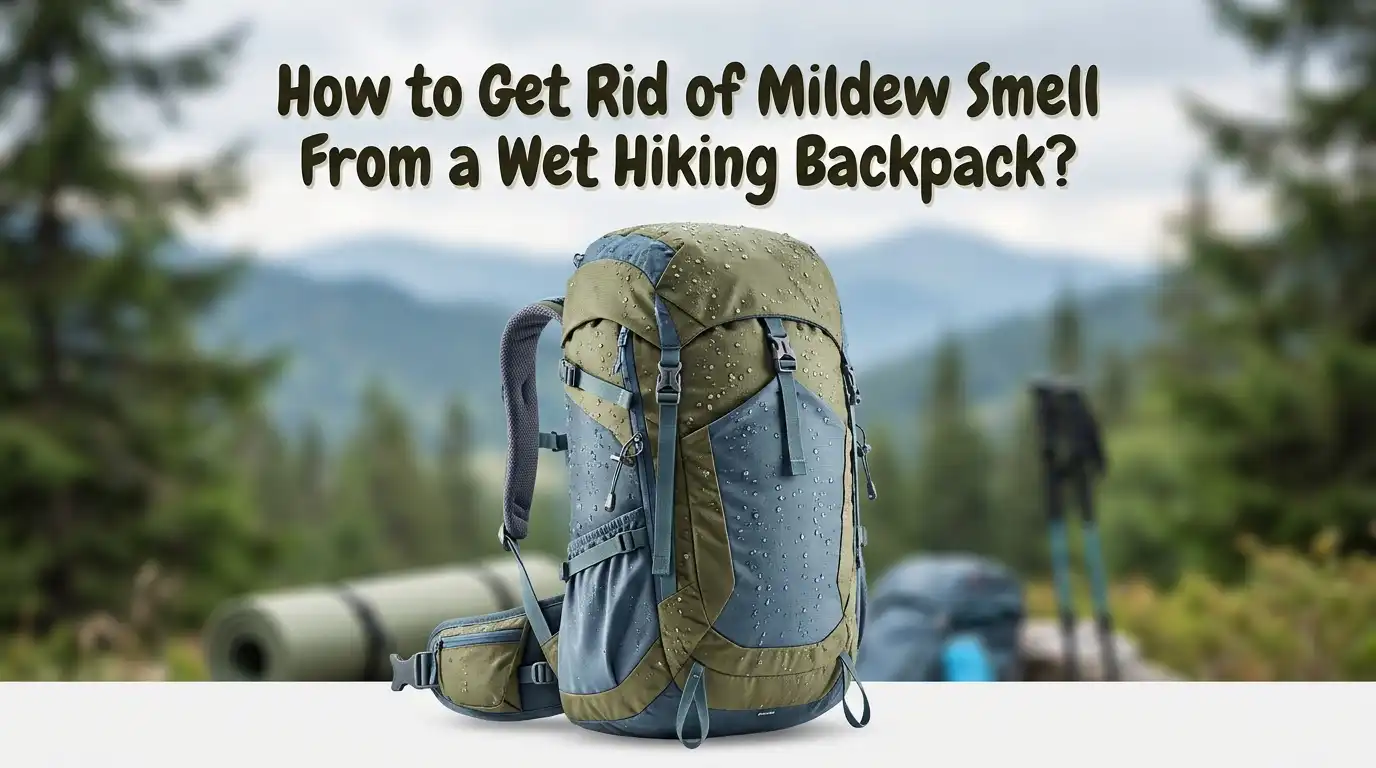
You finished a great hike, but your backpack came home soaked. A few days later, you opened it and a sour, musty smell hit your nose.
That smell is mildew, and it sticks to fabric like glue. The good news is you can fix it. You can also stop it from coming back. This guide walks you through every step.
In a Nutshell
- Dry the pack fast. Mildew grows in damp fabric within 24 to 48 hours. Air drying in a breezy, shaded spot is the first defense.
- Empty every pocket. Wet snacks, damp socks, and crumpled maps feed the smell. Shake the pack out before you start any cleaning.
- Use household items first. Baking soda, white vinegar, and mild dish soap handle most mildew jobs without harsh chemicals.
- Soak for tough cases. A bathtub soak with enzyme cleaner or vinegar pulls smells from deep inside the foam padding.
- Sunlight is a free killer. UV rays break down mildew spores, but long sun exposure can fade fabric, so balance your time.
- Store the pack dry. A clean pack still smells bad if you stuff it in a closet while damp. Hang it loose with the zippers open.
What Causes the Mildew Smell in a Wet Backpack
Mildew is a type of mold. It grows on damp fabric, leather, and foam. Your hiking backpack has all three. When sweat, rain, or river water soaks the pack, tiny mold spores wake up.
They feed on dirt, skin oils, and food crumbs. As they grow, they release gases. Those gases create that sour, wet basement smell you hate.
The smell gets worse in dark, warm, sealed spaces. A pack zipped shut in a car trunk is a perfect mildew home. Heat plus moisture plus food bits equals stink.
Knowing this helps you treat the cause, not just hide the odor. If you only spray perfume on the pack, the mildew keeps growing under the surface.
Empty and Shake Out Your Backpack First
Start by opening every single pocket. Pull out water bottles, snack wrappers, gear, and clothing. Turn the pack upside down and shake it hard. Crumbs, sand, and pine needles fall out faster than you expect.
Check the hidden spots too. Many hiking packs have hip belt pockets, brain pockets on top, and rain cover pouches at the bottom. Mildew loves to hide in these tight corners. Use a small flashlight if you need to.
Pros of this step: It costs nothing and takes five minutes. You may also find lost gear like a missing headlamp.
Cons: It only removes loose dirt. The smell still lives in the fabric. You will need more steps after this. Still, skipping this part wastes any cleaner you use later because it will work on top of dirt instead of the fibers.
Air Dry the Pack in a Breezy Spot
Hang your wet backpack in a place with good airflow. A covered porch, a garage with the door open, or a shady tree branch all work well. Avoid direct hot sun for long hours because it weakens the fabric coating. Open every zipper, pocket, and flap so air moves through the inside.
Flip the pack inside out if your model allows it. This dries the inner lining faster. A small fan pointed at the pack speeds things up by hours.
Pros: Air drying is free, gentle, and safe for all pack materials. It also stops new mildew from forming.
Cons: It can take 12 to 48 hours depending on humidity. If you live in a damp climate, air drying alone may not finish the job. You may still smell a faint odor in the foam padding even after the outside feels dry to the touch.
Use Baking Soda to Absorb the Odor
Baking soda is the easiest mildew fighter in your kitchen. It pulls odor molecules out of fabric and traps them. Sprinkle a generous amount inside the main pocket. Add some to each smaller pocket too. About one cup for a 50 liter pack works well.
Zip the pack closed and let it sit for at least 24 hours. For strong smells, leave it for two or three days. Then take it outside and shake the powder out. Use a vacuum hose to suck up any leftover bits.
Pros: Baking soda is cheap, safe, and works on most fabrics. It will not bleach colors or damage waterproof coatings. It also works on foam padding that you cannot remove.
Cons: It only works on light or medium odors. Heavy mildew needs stronger steps. Some powder may stay stuck in seam corners and fall out later during a hike.
Wipe With a White Vinegar and Water Mix
White vinegar kills mildew spores and neutralizes smells. Mix one part vinegar with one part water in a spray bottle. Spray the inside and outside of the pack lightly. Do not soak it. Wipe with a clean cloth.
Let the pack air dry fully. The vinegar smell fades within a few hours as it dries. For tough spots, scrub gently with a soft brush. Test a small hidden area first if your pack has a delicate finish.
Pros: Vinegar kills the actual mold, not just the smell. It is natural, cheap, and safe around kids and pets. It works on straps, hip belts, and shoulder padding.
Cons: The strong vinegar smell during cleaning bothers some people. It can dull certain water repellent coatings if used too often. Use this method once every few months, not weekly. Always rinse after if your pack has a DWR finish you want to keep.
Hand Wash With Mild Soap in a Bathtub
For deep mildew, a full bath is best. Fill your tub with cool or lukewarm water. Add a few drops of mild dish soap or a gear specific cleaner. Avoid bleach, fabric softener, and strong detergents because they damage waterproof layers.
Submerge the pack and gently squeeze water through the fabric. Use a soft brush on stained spots. Drain the dirty water and refill with clean water to rinse. Repeat until the water runs clear.
Pros: A bathtub soak reaches every fiber, including foam padding. It removes built up sweat, salt, and dirt that feed mildew. Your pack often looks years younger after this.
Cons: It takes time, usually one to two hours plus drying. Wet packs are heavy, so lifting one out of the tub takes effort. Some packs have metal frames that should not soak too long.
Try an Enzyme Cleaner for Stubborn Smells
Enzyme cleaners break down the bacteria and mold leftovers that cause smells. Brands made for outdoor gear work well, and pet stain cleaners from grocery stores work too. Enzymes eat the smelly stuff at a microscopic level.
Follow the bottle instructions. Most ask you to soak the item in a diluted mix for 15 to 30 minutes. Rinse well and air dry. This method handles smells that baking soda and vinegar cannot touch.
Pros: Enzyme cleaners are the strongest option for old, set in mildew. They work on tents, sleeping bags, and packs alike. One bottle lasts for many cleanings.
Cons: They cost more than household items. You have to buy them ahead of a trip, not find them in your pantry. Some enzymes lose power if stored in heat or direct light, so check the bottle date before use.
Sun Drying for Natural Disinfection
Sunlight kills mildew spores with UV rays. After you wash and rinse the pack, hang it in direct sun for two to four hours. Flip it halfway through so both sides get light. The sun also removes any leftover damp smell from the seams.
Do not leave the pack in the sun for full days every week. Long UV exposure fades colors and weakens nylon over time. A few hours after each deep clean is plenty.
Pros: Sunlight is free and chemical free. It works on the entire pack at once, including hard to reach foam areas. It also makes the pack feel and smell fresh outdoors.
Cons: You need a sunny day, which is not always possible. Fading happens with bright colored packs. Pollen and dust can land on wet fabric while it dries, so brush the pack off before bringing it inside.
Use Activated Charcoal or Cedar Chips for Storage
Once your pack is clean, keep it smelling good. Drop a small bag of activated charcoal or cedar chips inside the main pocket during storage. Both pull moisture and odors out of the air. Charcoal works better in damp climates while cedar adds a fresh forest scent.
Replace the charcoal every two to three months. Cedar chips last longer but lose their smell over time. You can refresh cedar with a few drops of cedar oil.
Pros: These natural absorbers keep your pack ready for the next trip. They cost very little and work without any effort from you. Cedar also keeps moths and bugs away.
Cons: Charcoal dust can leave dark marks if the bag tears, so use a sealed pouch. Cedar chips have a strong smell that some hikers do not like during a trip if a few chips stay behind.
Wash the Removable Parts Separately
Many modern hiking packs have removable hip belts, shoulder straps, and brain compartments. Take these off before deep cleaning. Removable parts often hold the worst smells because they soak up the most sweat.
Hand wash each piece in a sink with mild soap. Rinse well and air dry on a flat towel. Reattach only when fully dry. Check buckles and clips too. Salt and grit hide inside plastic clips and create odor over time.
Pros: Cleaning parts one by one gives you better results. You can target the smelliest sections without soaking the whole pack. Drying is also faster.
Cons: It takes longer than washing everything at once. Some packs have complex strap systems that are tricky to put back together. Take a photo before you remove parts so you know how to refit them.
Prevent Mildew Before It Starts
Stopping mildew is easier than removing it. Always dry your pack within 24 hours of returning home. Never store a damp pack in a sealed bin or car trunk. Wipe the inside with a dry towel after every wet hike.
Use a pack liner or dry bag for wet clothes during your trip. This keeps the pack body dry even in heavy rain. Empty all food and trash before storage. Crumbs invite mildew and bugs.
Pros: Prevention saves hours of cleaning. Your pack lasts longer and smells fresh on every trip. You also avoid replacing gear early.
Cons: It requires good habits after every hike. Tired hikers often skip the post trip drying. Set a reminder on your phone if you tend to forget. The few minutes of extra care save you a full afternoon of scrubbing later.
When to Replace the Pack Instead of Cleaning It
Sometimes mildew wins. If your pack has dark mold spots that do not wash out, or if the foam padding stays smelly after enzyme cleaning, the mold has reached deep into the materials. Inhaling mold spores during hikes can cause headaches and breathing issues.
Check the pack fabric for soft, weak spots. Mold eats nylon over years. If the fabric tears easily or smells even after multiple cleanings, it is time for a new pack.
Pros: A new pack starts you fresh with no health risks. Modern packs often have antimicrobial linings that resist mildew.
Cons: Buying a new pack costs money. Try every cleaning method first before giving up. Most packs respond to a deep enzyme wash even after years of neglect. Save the old one for short day hikes if it still works.
Frequently Asked Questions
How long does it take for mildew to grow in a wet backpack?
Mildew can start growing in 24 to 48 hours in warm, damp conditions. The smell appears within three to five days. Quick drying after every hike stops it before it begins.
Can I put my hiking backpack in the washing machine?
Most hiking backpack makers say no. The machine can break frames, tear seams, and damage waterproof coatings. Hand washing in a tub is safer and works just as well.
Does freezing a backpack kill mildew?
Freezing slows mold growth but does not kill all spores. It can help with smell for a day or two, but the mildew comes back once the pack warms up. Cleaning is the only real fix.
Will mildew on my backpack make me sick?
Light mildew rarely causes problems for healthy people. Heavy mold can trigger allergies, asthma, and skin rashes. If you see black or green spots, clean the pack right away or replace it.
How often should I deep clean my hiking backpack?
A deep clean once or twice a year is enough for most hikers. Wipe the pack down after every wet trip and do a full wash at the end of each hiking season.
Can I use bleach to remove mildew smell?
Avoid bleach on hiking packs. It weakens fabric, removes color, and damages waterproof coatings. Stick with vinegar, baking soda, or enzyme cleaners for safe results.

Hi, I’m Luna Beck — the founder and voice behind Urban Pack Vault. I’m passionate about helping people find bags that perfectly match their lifestyle. From backpacks to travel luggage, I research, review, and recommend so you never have to second-guess your next purchase.