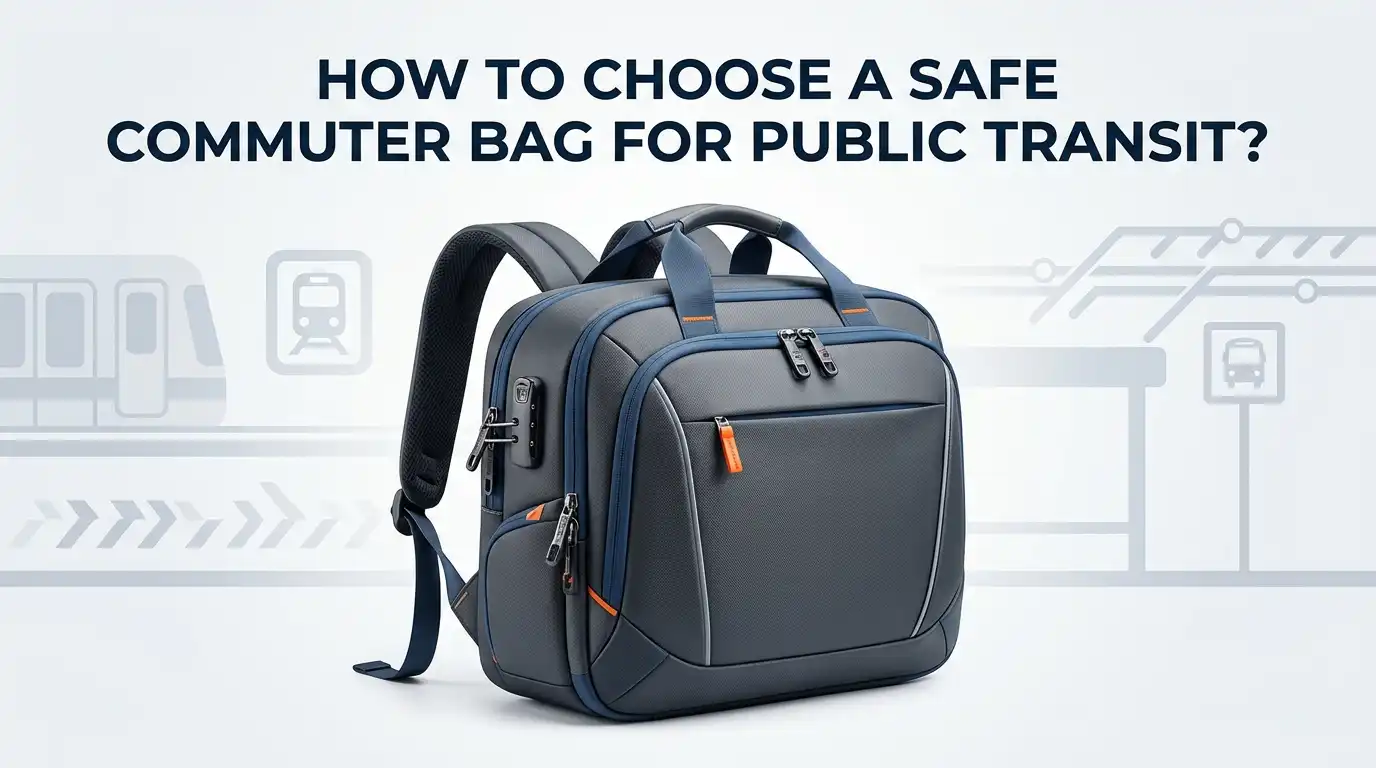
How To Choose A Safe Commuter Bag For Public Transit?
Public transit puts you shoulder to shoulder with strangers every single day. Your bag holds your phone, your wallet, your laptop, and your peace of mind.
A weak zipper or an open pocket can turn a normal morning into a stressful one. The good news is simple.
You can pick a bag that keeps your things safe, dry, and easy to reach. This guide walks you through every choice, with clear pros and cons, so you buy once and ride worry free.
Key Takeaways:
- Pick the right style for your route. Crossbody bags and slings stay in front of your body and beat pickpockets in crowds. Backpacks carry more but sit out of your sight.
- Lockable and hidden zippers matter most. A bag with clipping zippers, hidden pockets, and back panel openings makes theft slow and obvious.
- Slash resistant straps and panels add real protection. Some bags use wire mesh inside the fabric. This stops a thief from cutting your strap and running.
- Water resistance protects your tech. Look for coated nylon, sealed seams, or a rain cover so rain and spills do not reach your laptop.
- Comfort keeps you safe too. Padded straps, breathable back panels, and even weight balance reduce strain on long rides and standing trips.
- Smart habits beat any product. The best bag still needs you to stay alert, keep zippers closed, and hold valuables close in tight spaces.
Why A Safe Commuter Bag Matters On Public Transit
Crowded buses and trains are easy spots for theft. Thieves love tight spaces because they can press close without anyone noticing. You stand near doors, you check your phone, and your bag sits behind you. That moment of distraction is all a pickpocket needs.
A safe commuter bag fixes this problem before it starts. It keeps your valuables locked, hidden, and hard to reach. It also protects your gear from rain, spills, and the wear of daily use. Think of your bag as a small mobile safe that rides with you.
The right choice saves you money and stress over time. You avoid replacing stolen phones, lost cards, and damaged laptops. You also gain confidence, which makes your daily ride far more pleasant.
Step One: Match The Bag Style To Your Daily Route
Your route shapes your best choice. Start by thinking about how you travel. Do you stand in packed trains, or do you grab a quiet seat on a long bus ride? The answer points you to the right style.
Crossbody bags and slings work best in crowds. You wear them in front, so your hand rests over them naturally. Backpacks carry more weight and feel better on long rides, but they sit on your back and out of your view.
Pros of crossbody bags: easy to watch, quick access, hard to grab. Cons: less space, can strain one shoulder over time.
Pros of backpacks: big capacity, balanced weight, comfortable. Cons: hidden from your eyes, easy target in dense crowds unless you wear it on your front.
Step Two: Prioritize Lockable And Hidden Zippers
Zippers are the first thing a thief tests. Open pull tabs invite quick hands. You want zippers that resist a fast grab and a sneaky slide.
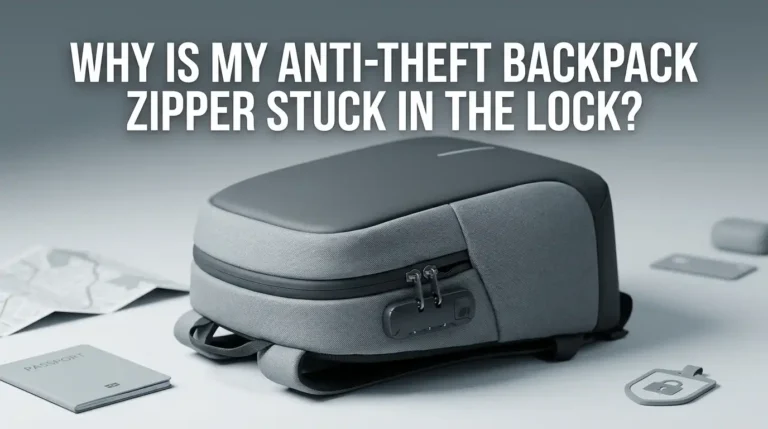
Look for clipping zippers that hook together. This small lock makes a thief stop and fiddle, which draws attention they do not want. Many anti theft bags also hide zippers against your back or under a flap. A pocket you cannot see from behind is a pocket a thief cannot open.
Some bags add small locks or magnetic clasps for the main compartment. These slow access even more.
Pros of locking zippers: cheap, simple, very effective deterrent. Cons: they add a second of delay for you too, so practice opening them fast before your first commute.
Step Three: Check For Slash Resistant Materials
A bold thief may skip the zipper and cut the bag instead. A sharp blade can slice a fabric strap in one motion. This is why slash resistance matters in busy cities.
Slash resistant bags hide a layer of wire mesh or steel cable inside the fabric and straps. The blade hits metal and stops. This protects both the body of the bag and the strap that holds it to you. A cut proof strap means a thief cannot grab and dash.
Test the strap by feeling for a stiff, reinforced core. Good bags state this feature clearly.
Pros: strong protection against cut and run theft, lasts for years. Cons: these bags cost more and weigh a little extra. For most riders, the trade is worth it in high theft areas.
Step Four: Decide If You Need RFID Blocking
Some cards and passports send a wireless signal. In theory, a scanner held nearby can read your card data through your bag. RFID blocking pockets stop that signal with a special lining.
Many modern commuter bags include at least one RFID pocket. You store your credit cards, transit card, and ID there. The lining blocks the read, so a hidden scanner gets nothing.
Honestly, real world RFID theft is rare today, since most cards now use safer chip systems. Still, the feature costs little and adds a layer of calm.
Pros: cheap peace of mind, protects older cards and passports. Cons: limited real risk for most riders, so do not pay a big premium for this alone. Treat it as a bonus, not a deciding factor.
Step Five: Choose Water Resistant Or Waterproof Fabric
Rain, spills, and damp seats threaten your gear. A wet laptop or soaked notebook ruins your day and your wallet. So fabric choice protects more than just the bag.
Water resistant bags use coated nylon or polyester with a DWR finish. Water beads up and rolls off in light rain. Waterproof bags go further with sealed seams and tarpaulin bases that block heavy downpours. A built in rain cover gives you full coverage when the sky opens up.
Check the bottom of the bag, since it touches wet floors and seats most.
Pros of water resistant: light, breathable, fine for daily city use. Cons: leaks in heavy storms. Pros of waterproof: total protection. Cons: heavier, pricier, and sometimes stiffer to pack.
Step Six: Find The Right Size And Capacity
A bag that is too small forces you to carry items in your hands. Loose items in your hands are easy to lose or grab. A bag that is too big tempts you to overpack and strains your back.
Measure what you carry on a normal day. A laptop, a charger, a water bottle, lunch, and a few small items fit well in a fifteen to twenty liter bag. List your daily gear, then add a little room for a jacket or extra files.
Match the laptop sleeve size to your device exactly.
Pros of a right sized bag: balanced, comfortable, organized. Cons of going too large: heavier loads, slower to search, and a bigger target. Aim for snug, not stuffed, and your commute stays light and easy.
Step Seven: Look For Smart Internal Organization
A messy bag makes you dig in public. Digging means your bag stays open and your attention drops. Both raise your theft risk and your stress.
Pick a bag with clear, separate pockets for each item. A padded laptop sleeve, a phone slot, a pen holder, and a key clip keep everything in one place. You reach in, grab what you need, and close up fast. Speed keeps your valuables out of sight.
A hidden inner pocket for your wallet adds extra safety.
Pros: fast access, no fumbling, less exposure time. Cons: too many tiny pockets can confuse you and waste space. Choose a layout that fits your real habits, not a long list of features you will never touch.
Step Eight: Test Strap Comfort And Weight Balance
Comfort and safety go hand in hand. A sore shoulder makes you shift and adjust, which loosens your grip on the bag. A balanced load keeps you steady and aware.
Look for padded, adjustable shoulder straps and a breathable back panel. For backpacks, a sternum strap across your chest holds the bag close and steady. A waist belt shifts weight to your hips, where your body carries load best. Even weight balance protects your back over years of riding.
Try the bag with real weight inside before you trust it.
Pros: less fatigue, better posture, steadier control. Cons: extra straps add bulk and can feel warm in summer. For long standing commutes, the comfort gain easily beats the small added weight.
Step Nine: Wear And Position Your Bag The Safe Way
The best bag fails if you wear it wrong. A backpack on your back in a packed train is an open invitation. Position changes everything in a crowd.
Wear a crossbody bag in front with the strap across your chest. Rest your hand or forearm over the main pocket. In tight crowds, swing your backpack around to your front and hug it. This simple move blocks every hidden hand.
Keep the zipper side facing your body, never the crowd.
Pros of front wearing: full view, instant control, strong deterrent. Cons: slightly awkward at first and takes a habit to build. After a week it feels natural, and thieves move on to easier targets who stay unaware.
Step Ten: Build Safe Habits That Beat Any Thief
No bag replaces your own attention. A thief studies the person, not just the bag. Calm, aware riders rarely get picked.
Keep your phone away near doors and at stops, since these are prime grab and run spots. Avoid flashing cash, expensive gadgets, or open pockets. Stand away from doorways where groups can crowd you and slip out fast. Move toward the center or the quieter cars.
Always close your zippers fully, even for a short ride.
Pros of good habits: free, powerful, work with any bag. Cons: they take focus and practice, especially when you feel tired or rushed. Pair smart habits with a smart bag, and you cover both the gear and the human side of safety.
Step Eleven: Inspect Build Quality Before You Buy
A cheap bag fails at the worst moment. A broken zipper or a torn seam exposes everything inside. Quality protects you long after the purchase.
Check the stitching, the zipper pulls, and the strap anchors closely. Tug the straps where they meet the bag, since this spot takes the most stress. Strong, doubled stitching and metal hardware last far longer than thin plastic parts. Open and close every zipper a few times to feel for smooth, sturdy action.
A solid bag stays safe and useful for years.
Pros of high quality: long life, fewer failures, better resale. Cons: a higher upfront cost. Spend a bit more on the parts that hold your gear, and you save money and trouble down the road.
Step Twelve: Balance Style, Budget, And Safety
Safety features are great, but you still want a bag you enjoy carrying. A bag that looks like a vault may feel out of place at work. The right pick blends protection with a look you like.
Set a budget that covers strong zippers, good fabric, and comfortable straps first. Add extras like RFID pockets only if the price stays fair. A plain, low key bag often draws less attention than a flashy one, which helps you blend into the crowd.
Pick colors and shapes that match your daily life.
Pros of balancing all three: you carry the bag daily without regret. Cons: you may compromise on one feature to fit your budget. Rank your needs, then choose the bag that covers your top three without breaking the bank.
Frequently Asked Questions
Are crossbody bags safer than backpacks on public transit?
In crowded transit, yes. A crossbody bag sits in front where you can see and hold it. A backpack carries more but sits out of your view, so thieves can reach it unseen. If you prefer a backpack, swing it to your front in packed spaces. Both styles work well when you position them right and keep the zippers closed.
Do I really need RFID blocking in my commuter bag?
For most riders, RFID blocking is a small bonus, not a must. Modern chip cards already resist wireless theft well. If a bag includes an RFID pocket at no extra cost, use it for your cards and ID. Do not pay a large premium for this feature alone. Focus your money on strong zippers, slash resistance, and good fabric instead.
What size commuter bag is best for daily use?
A fifteen to twenty liter bag fits most daily needs. It holds a laptop, a charger, a bottle, lunch, and small items without bulk. List what you carry on a normal day, then add a little room for a jacket. Avoid oversized bags, since they tempt you to overpack and strain your back. Match the laptop sleeve to your exact device size.
How can I tell if a bag is truly slash resistant?
Feel the straps and side panels for a stiff, reinforced core. Slash resistant bags hide wire mesh or steel cable inside the fabric. The product details should state this feature clearly. A blade hits the metal layer and stops, which protects your strap from a cut and run grab. If the strap feels thin and soft all the way through, it likely lacks this protection.
What is the safest way to wear my bag in a crowd?
Wear it in front of your body with your hand resting over the main pocket. Keep the zipper side facing you, never the crowd. For a backpack, swing it around to your chest and hug it in packed spaces. Stand away from doorways, where groups can crowd you and slip out fast. This habit blocks hidden hands and marks you as an alert, hard target.
Can a water resistant bag really protect my laptop?
A good water resistant bag handles light rain and small spills well. Coated nylon and a DWR finish let water bead up and roll off. For heavy storms, choose a waterproof bag with sealed seams or use a rain cover. Always check the base of the bag, since it touches wet seats and floors most. Pair the bag with a padded sleeve for full laptop safety.

Hi, I’m Luna Beck — the founder and voice behind Urban Pack Vault. I’m passionate about helping people find bags that perfectly match their lifestyle. From backpacks to travel luggage, I research, review, and recommend so you never have to second-guess your next purchase.