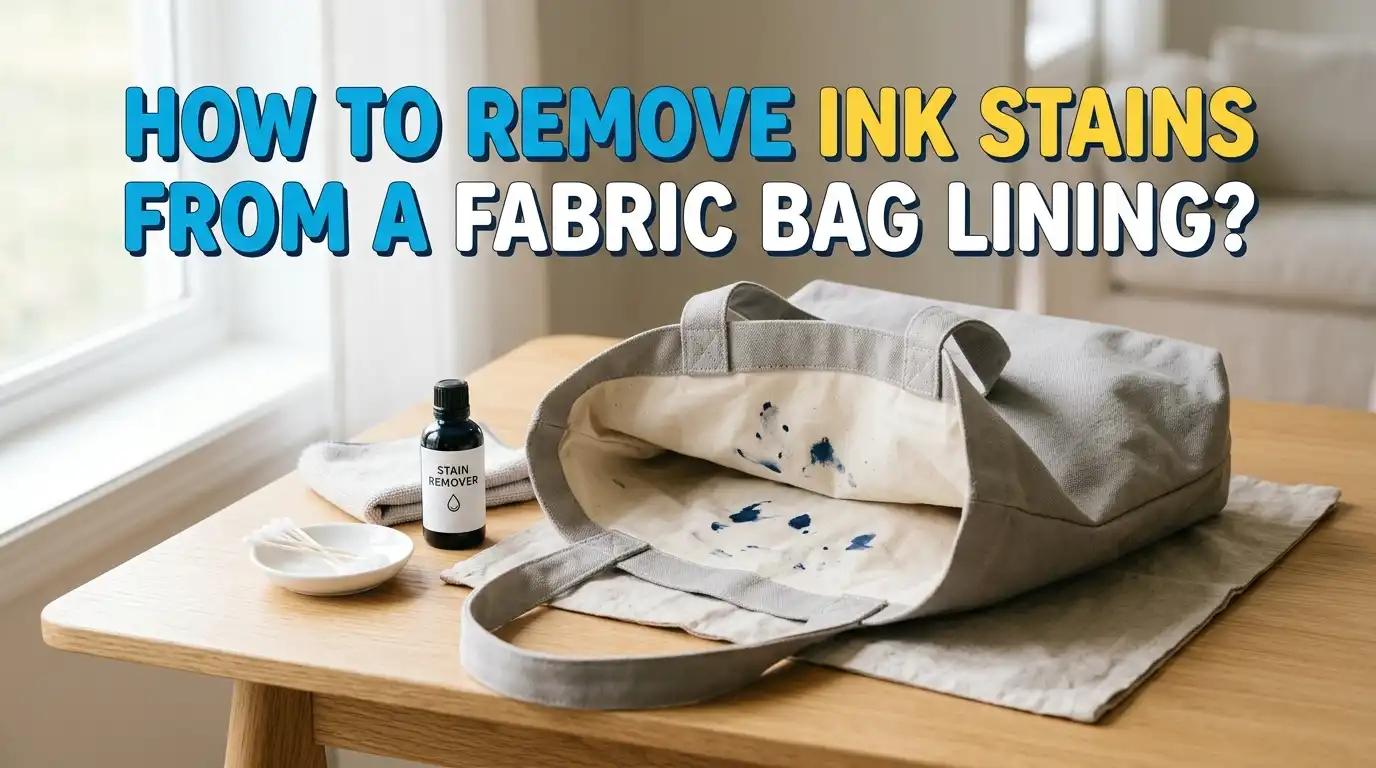
How To Remove Ink Stains From A Fabric Bag Lining?
Ink stains inside your favorite bag can feel like a small disaster. A leaky pen, a forgotten marker, or a sudden bump can leave dark marks on the lining in seconds. The good news is that most ink stains come out with the right method and a little patience.
This guide walks you through every step. You will learn what supplies to use, how to treat fresh and dried stains, and which household items work best. By the end, you will have the confidence to rescue your bag lining without damaging the fabric.
Key Takeaways
- Act fast on fresh ink. Wet ink lifts out far easier than dried ink, so begin treatment within minutes if possible.
- Rubbing alcohol is the top choice for most ballpoint and gel ink stains on fabric linings because it dissolves the dye quickly.
- Always blot, never rub. Rubbing spreads the ink and pushes it deeper into the fibers of your lining.
- Test every cleaner on a hidden spot first, such as a seam or inside corner, to check for color loss or fabric damage.
- Patience beats pressure. Multiple gentle treatments work better than one harsh scrub that may tear or fade the lining.
- Match the solution to the ink type. Ballpoint ink, gel ink, permanent marker, and water based ink each respond to different cleaners.
- Turn the lining inside out when possible. This protects the outer shell of your bag from drips and spreading stains.
Why Ink Stains Are Tricky On Bag Linings
Bag linings are different from regular clothing. They sit inside a closed space, often made from polyester, nylon, satin, or cotton blends. These fabrics can hold ink deep in their fibers because the lining rarely gets washed.
Ink also contains dyes, oils, and solvents that bond fast with synthetic fabrics. Once the ink dries, it sets like a tattoo on the cloth. The closed shape of a bag makes it harder to reach the stain, and many linings cannot be removed from the shell.
You also need to protect the outer leather, vinyl, or canvas while you clean. A drop of alcohol on the wrong spot can damage the finish. That is why slow, careful treatment matters more here than with a regular shirt.
Supplies You Will Need Before You Start
Gather everything before you begin. Stopping halfway to find a cotton swab gives the ink more time to set. Keep all your tools within arm’s reach on a flat, well lit surface.
You will need rubbing alcohol or isopropyl alcohol (70 to 91 percent), clean white cloths, cotton swabs, paper towels, mild dish soap, cold water, a small bowl, and an old toothbrush. White cloths are important because colored rags can transfer dye onto the lining.
Optional supplies include hairspray with alcohol, hand sanitizer, glycerin, milk, baking soda, and a hair dryer. Always use white or pale tools so you can see how much ink you are pulling out. Place an old towel under the lining to catch drips and protect the bag’s outer shell.
How To Identify The Type Of Ink Stain
Different inks need different treatments. Look closely at the stain before choosing a method. A ballpoint pen leaves a thick, oily mark that often shines under light and feels slightly raised on the fabric.
Gel ink stains look glossy and dark, and they tend to spread in feathered edges. Permanent marker stains are flat, very dark, and often have sharp lines. Water based ink, such as washable markers or fountain pen ink, looks lighter and bleeds outward in soft halos.
If you can see the pen that caused the mess, check its label. Knowing whether the ink is oil based, alcohol based, or water based helps you pick the right cleaner the first time. This step saves you from wasted effort and prevents fabric damage.
Step By Step Method Using Rubbing Alcohol
Rubbing alcohol works on most ballpoint, gel, and permanent ink stains. It dissolves the dye and lifts it from the fibers. This is the most reliable method for fabric linings, especially polyester and nylon.
Start by placing a paper towel or clean cloth under the stained area of the lining. Dip a cotton swab in rubbing alcohol and dab it gently onto the stain from the outer edge inward. Press, do not rub, so the alcohol soaks in. Replace the paper towel as it absorbs ink.
Repeat with fresh swabs until the ink stops transferring. Then dab the area with a damp cloth and mild soap to remove alcohol residue. Air dry the lining fully before closing the bag.
Pros: Fast, cheap, works on most ink types, and safe for most synthetic linings. Cons: Can dry out delicate fabrics and may fade some dyed linings if used heavily.
Removing Ink With Hairspray (Old School Trick)
Hairspray was the classic ink remover for decades because older formulas contained high amounts of alcohol. Modern hairsprays often have less alcohol, so check the label before you use it. Look for the word ethanol or isopropyl alcohol high on the ingredient list.
Spray a small amount directly onto the stain. Let it sit for about thirty seconds. Blot with a clean white cloth, working from the outside of the stain inward. Repeat until the ink fades.
After the stain lifts, wipe the area with a damp cloth to remove sticky residue from the hairspray. Dry the lining with a soft towel.
Pros: Easy to find at home and works well on fresh ballpoint ink. Cons: Sticky residue, weaker than pure alcohol, and many low alcohol sprays do little to help.
Using Hand Sanitizer For Quick Cleanup
Hand sanitizer is a handy backup when you are away from home. Most gel sanitizers contain 60 to 70 percent alcohol, which is enough to break down many ink stains.
Squeeze a small dab onto the ink mark. Let it sit for thirty seconds so the alcohol can soak in. Blot with a paper towel or white cloth, then repeat until the stain lightens. Follow with a damp cloth and a tiny drop of dish soap to clean the area.
This method is great for emergencies, such as ink leaks during travel. Keep a small bottle in your bag for fast action.
Pros: Portable, easy to use, and effective on fresh stains. Cons: Gel form can leave a thick residue, and the lower alcohol content struggles with dried or heavy ink.
Dish Soap And Warm Water Method
For lighter or water based ink stains, mild dish soap may be all you need. This method is gentle and safe for delicate linings such as satin or silk blends.
Mix one teaspoon of dish soap with two cups of warm water. Dip a clean white cloth into the mix, wring it out so it is damp but not dripping, and blot the stain. Work from the edges of the stain toward the center to stop it from spreading.
Rinse the cloth often and keep blotting. Once the ink lifts, dab the area with plain water to rinse out the soap. Press with a dry towel and let it air dry.
Pros: Very safe, gentle on fabric, and easy on the budget. Cons: Slow, less effective on dried or oil based ink, and may need several rounds.
How To Handle Stubborn Or Dried Ink Stains
Dried ink is tougher because the dye has bonded with the fibers. You need extra soaking time and stronger action. Start by softening the stain with glycerin, which loosens dried ink before you treat it.
Apply a few drops of glycerin to the stain and let it sit for fifteen to thirty minutes. Then follow up with rubbing alcohol using the swab method. The softened ink should lift more easily. Repeat the alcohol step several times if needed.
For very stubborn stains, mix a paste of baking soda and water. Apply it gently, let it dry, and brush it away. Follow with alcohol again.
Pros: Works on stains that other methods fail to budge. Cons: Time consuming, may require many rounds, and can stress fragile linings.
Treating Different Types Of Lining Fabric
Always match the method to the fabric. Polyester and nylon are the most common bag linings and handle alcohol well. Cotton and cotton blends also respond to alcohol, dish soap, and gentle scrubbing.
Satin, silk, and rayon are delicate. Skip strong solvents on these fabrics and stick with mild soap, cold water, and very light blotting. Test a hidden corner first to check for water rings or color loss.
Suede or microfiber linings need special care. Use a dry cleaning solvent or a suede eraser instead of liquid cleaners. If the lining has a printed pattern, work very gently because the dye may bleed.
Pros of matching fabric to method: Protects your bag and saves money on repairs. Cons: Requires extra time to identify the fabric before cleaning.
Common Mistakes To Avoid While Cleaning
Many people make the same mistakes that ruin their bag linings. Never rub the stain hard because that pushes ink deeper and spreads it wider. Always blot instead.
Do not soak the entire lining in water or cleaner. Excess moisture can warp the bag’s shape, damage glue inside the seams, and create water stains on the outer shell. Use small amounts of liquid and work in tiny sections.
Skip bleach on colored linings. It removes the lining color along with the ink. Avoid acetone or nail polish remover on most fabric linings, since it can melt synthetic fibers and dissolve glue. Do not use a hot hair dryer to dry the area, as heat sets any remaining ink permanently.
When To Call A Professional Cleaner
Some stains need expert help. If the ink covers a large area, has set for weeks, or sits on a luxury or vintage bag, a professional cleaner is the safer choice. They have solvents and tools made for delicate linings.
Designer bags with leather trim or printed lining patterns are also good candidates for professional care. One wrong move at home can lower the value of the bag and lead to costly repairs.
Look for a cleaner who specializes in handbags, leather goods, or fine textiles. Ask about their experience with ink stains and request a quote before they begin. Most pros will tell you upfront if a stain is removable.
Pros: Higher success rate and safer for valuable bags. Cons: Costs more, may take days, and not every stain comes out fully even with experts.
How To Prevent Future Ink Stains In Your Bag
Prevention saves time and stress. Always cap your pens tightly before tossing them inside your bag. Keep pens, markers, and highlighters in a small zip pouch or pencil case.
Store leaky or older pens separately from the main bag area. Check your pens often for cracks, dry ink, or loose caps. Replace any pen that shows signs of leaking, since old plastic barrels often split.
Line the inside of your bag with a removable fabric pouch for writing tools. This catches any leaks before they touch the lining. You can also spray a fabric protector inside the bag once a year to make stains easier to wipe away.
Pros: Cheaper and easier than cleaning, and protects the bag long term. Cons: Requires small daily habits and a little extra space inside the bag.
Final Drying And Restoring The Lining
Once the stain is gone, drying is the last step. Press a clean dry towel against the wet area to soak up extra moisture. Do not twist or wring the lining.
Open the bag fully and stand it in a well ventilated room. Avoid direct sunlight, radiators, or hair dryers because heat can set leftover ink and dry out the fabric. Let the lining air dry for at least four to six hours.
If the lining smells like alcohol or soap, sprinkle a little baking soda inside, let it sit overnight, and shake or vacuum it out. This freshens the fabric without harsh sprays. Your bag is now ready to use again.
FAQs
Can I use bleach on a fabric bag lining to remove ink?
No. Bleach removes the color of the lining along with the ink and weakens the fibers. Only use bleach if the lining is pure white and bleach safe, and even then, test a hidden spot first.
Does toothpaste really remove ink from fabric?
Plain white toothpaste can help with very small, fresh ink marks. Rub a small dab gently with a soft brush, then wipe it off. It is less reliable than alcohol and not suited for delicate fabrics.
How long does it take to remove an ink stain from a bag lining?
A fresh ink stain may lift in five to fifteen minutes. Dried or stubborn stains may need several rounds spread over an hour or more. Patience leads to better results than rushing the process.
Will the ink stain come back after cleaning?
Sometimes a faint ring appears as the lining dries. Blot the area again with a damp cloth and let it dry slowly. If a shadow stays, repeat the alcohol treatment one more time.
Can I put my entire bag in the washing machine?
Most bags should never go in a washer. The agitation can ruin the shape, damage the lining glue, and warp the outer shell. Stick with spot cleaning unless the maker says machine washing is safe.
What if the ink has spread to the outer leather of the bag?
Stop using water and alcohol right away on leather. Use a leather safe ink remover or call a professional. Leather absorbs ink fast and needs special care to avoid lasting damage.

Hi, I’m Luna Beck — the founder and voice behind Urban Pack Vault. I’m passionate about helping people find bags that perfectly match their lifestyle. From backpacks to travel luggage, I research, review, and recommend so you never have to second-guess your next purchase.