Why Does My Backpack Hurt My Lower Back?
You sling your backpack over your shoulder, and by the time you reach your destination, your lower back is aching. Sound familiar? You are not alone. Millions of people deal with backpack-related lower back pain every single day.
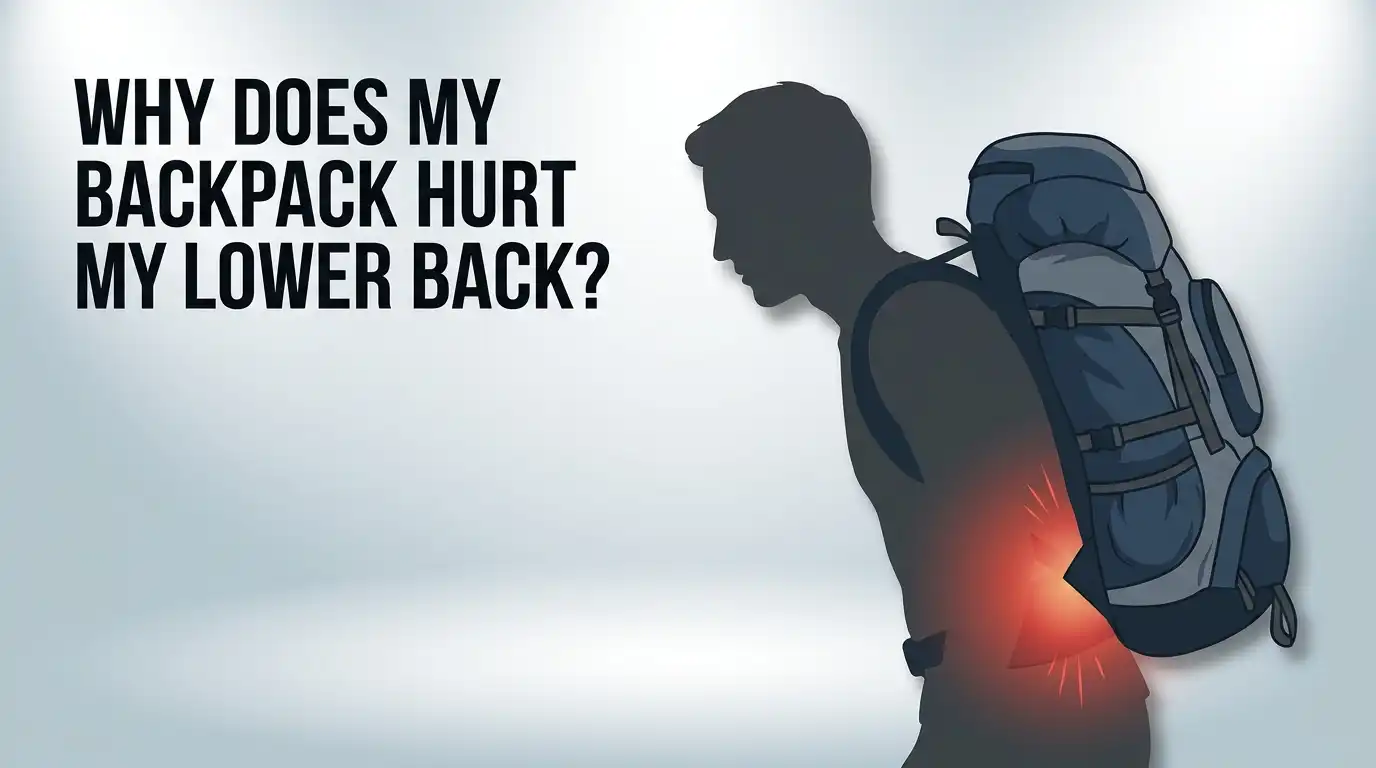
The problem is often simpler than you think. A heavy or poorly worn backpack can pull your spine out of its natural S-curve alignment. This creates pressure on your lower back muscles and spinal discs, leading to that familiar dull ache or sharp pain.
Children, students, and daily commuters are especially vulnerable. But the good news is that most of this pain is completely preventable.
This article breaks down exactly why your backpack hurts your lower back. You will learn what causes the strain, the most common mistakes people make, and simple adjustments that can make a real difference.
Whether you carry a backpack to school, work, or the gym, this guide gives you the knowledge to protect your spine and move through your day pain-free.
In a Nutshell
Here is a quick summary of what you need to know:
-
Your spine has a natural S-curve, and a poorly worn backpack distorts that curve, putting direct stress on your lower back.
-
Heavy loads compress the discs in your spine and pull your body backward, forcing your muscles to work harder just to keep you upright.
-
Where your backpack sits matters a lot. It should rest no lower than 2 inches above your waist for proper spinal alignment.
-
Uneven weight distribution is a major cause of pain. Always use both shoulder straps and pack heavier items closest to your back.
-
Poor posture while carrying makes everything worse. Slouching or leaning forward adds extra pressure to your lumbar spine.
-
Small changes make a big difference. Reducing your load, adjusting your straps, and checking your posture regularly can significantly reduce or even eliminate lower back pain from backpack use.
Keep these points in mind as you read through the full breakdown below.
How a Backpack Affects Your Spine and Lower Back
Your spine works like a complex support system. It has a natural S-curve that keeps your body balanced and protects your nerves. When you wear a backpack incorrectly, this curve gets distorted.
Heavy weight pulls your body backward. Your muscles must compensate by working extra hard to keep you upright. This constant strain exhausts your lower back muscles and creates pain. The vertebrae in your lower spine experience increased pressure as they try to support both your body weight and the pack weight.
Your spine contains discs that act like cushions between vertebrae. When a backpack sits too low or carries too much weight, these discs get compressed. This compression narrows the space where your nerves pass through. Pinched nerves cause sharp pain, numbness, or tingling in your lower back.
Poor positioning makes everything worse. If your backpack hangs below your waist, it shifts your center of gravity forward. Your body leans backward to compensate. This unnatural posture forces your lower back to bend and twist in ways it wasn’t designed for.
Uneven weight distribution creates additional problems. When one strap is tighter than the other or items are packed unevenly, one side of your spine carries more load. This causes your spine to curve sideways, stressing muscles on one side more than the other.
Your posture while carrying matters significantly. Slouching or hunching forward increases pressure on your lower back discs. Standing up straight helps distribute weight more evenly across your spine.
The combination of these factors creates a perfect storm for lower back pain. Heavy weight plus improper positioning plus poor posture equals stressed discs, compressed nerves, and exhausted muscles. Understanding how these elements work together helps you make better choices about how you carry and pack your backpack.
The Most Common Reasons Your Backpack Is Causing Lower Back Pain
Your backpack causes lower back pain through several interconnected factors. Understanding these reasons helps you fix the problem at its source.
Weight overload is the primary culprit. When your pack exceeds what your body can safely carry, it compresses the discs in your spine. These discs act as shock absorbers between your vertebrae. Excessive compression forces them to work harder, leading to pain and discomfort in your lower back region.
The placement of your backpack significantly impacts your spine. When your pack hangs too low, it shifts your center of gravity backward. Your body responds by arching your lower back to compensate. This unnatural posture strains muscles and ligaments that support your spine. The further down your pack sits, the worse this effect becomes.
Uneven weight distribution creates another major problem. When you pack items haphazardly, heavier objects end up on one side. This imbalance forces one side of your back to work overtime. Your spine twists slightly to handle the uneven load. Over time, this asymmetrical stress causes localized pain in your lower back.
Poor posture while carrying amplifies all these issues. Many people lean forward or slouch when wearing a backpack. This posture change increases pressure on your lower spine. Your muscles fatigue faster when supporting an unnatural position.
Strap adjustment matters more than you think. Loose or unadjusted straps allow your pack to bounce and shift as you move. This constant movement forces your stabilizing muscles to work continuously. Tight, properly adjusted straps keep your pack stable against your body.
The combination of these factors creates a perfect storm for lower back pain. Heavy weight, poor positioning, uneven distribution, bad posture, and loose straps all work together to stress your spine. Addressing even one of these issues can bring noticeable relief. Fixing all of them prevents pain from developing in the first place.
Who Is Most at Risk for Backpack-Related Lower Back Pain?
Children and students face the highest risk for backpack related lower back pain. Their spines are still developing, making them more vulnerable to injury from heavy loads. Growing bodies need extra protection because their bones and discs are not yet fully formed.
Students carry the most weight daily. School backpacks often contain textbooks, laptops, and supplies that exceed safe limits. Many students pack items they don’t actually need, adding unnecessary pounds. The average student carries 15 to 20 percent of their body weight, which exceeds recommended guidelines.
Age matters significantly when it comes to risk. Children under 12 have weaker core muscles and less developed spinal structures. Teenagers experience rapid growth, which makes their backs temporarily more fragile. Young adults who continue poor backpack habits from childhood often develop chronic pain patterns.
People with existing back problems face increased risk too. If you already have lower back issues, a heavy backpack makes your pain worse. Previous injuries leave your spine more susceptible to additional damage.
Desk workers and students share similar risks. Both groups sit for long periods, which weakens their core muscles. Weak core muscles cannot support your spine effectively when carrying a backpack. This combination of sitting and then carrying heavy loads creates a dangerous pattern.
Girls and women experience higher rates of backpack pain than boys and men. Research shows they often carry heavier loads relative to their body weight. They also tend to use single straps more frequently, which causes uneven weight distribution.
People with poor posture habits are at greater risk. If you already slouch or lean forward during daily activities, a backpack amplifies these problems. Your spine cannot handle the added stress from both bad posture and heavy weight.
The good news is that understanding your risk level helps you take action. Knowing you’re vulnerable means you can make preventive changes now rather than dealing with chronic pain later.
How to Properly Position and Wear Your Backpack
Proper positioning starts with understanding where your backpack should sit on your body. Your backpack should rest about 2 inches above your waist. This placement keeps your pack close to your spine and maintains your body’s natural balance.
The shoulder straps deserve your full attention. Adjust both straps so they sit snugly on your shoulders without digging into your skin. Loose straps let your pack sag downward, which pulls your spine out of alignment. Tight straps that cut off circulation cause different problems.
Your pack should feel centered on your back. It should not hang to one side or tilt at an angle. A centered pack distributes weight evenly across your spine and reduces strain on your lower back.
Check that your backpack stays close to your body. A pack that hangs away from your back forces your muscles to work harder. This extra effort exhausts your lower back and creates pain over time.
Consider using the hip or waist strap if your backpack has one. This strap transfers some weight from your shoulders to your hips, which are stronger. Your hips can handle weight better than your spine can.
Your posture while wearing the backpack matters just as much as how you wear it. Stand up straight and avoid slouching forward. When you bend forward, you increase pressure on your lower back discs.
Walk naturally when carrying your pack. Do not lean backward to compensate for the weight. Leaning backward distorts your spine’s natural curve and creates additional strain.
Adjust your straps before you leave home. Take a moment to ensure everything feels comfortable and balanced. Small adjustments prevent hours of discomfort later.
Check your positioning regularly throughout the day. Straps loosen as you move, and your pack shifts position. A quick adjustment keeps your back pain free and your spine protected.
How to Pack Your Backpack to Reduce Lower Back Strain
Your backpack packing method directly affects your lower back health. The way you distribute weight inside your pack determines how much strain your spine experiences throughout the day.
Start by placing heavier items closer to your back and higher up in the pack. This positioning keeps the weight centered near your body’s core. Heavy books, laptops, and supplies belong in the middle section of your pack, not at the bottom.
Lighter items like notebooks and folders go toward the outer edges and lower portions. This arrangement prevents your pack from pulling you backward. Your spine stays in its natural S-curve instead of getting distorted.
Distribute weight evenly from left to right inside your pack. Uneven packing forces one side of your body to work harder than the other. Your lower back compensates for this imbalance and becomes strained.
Use all the compartments and pockets your backpack offers. Spreading items throughout multiple sections prevents one area from becoming too heavy. A concentrated weight load creates dangerous pressure points on your spine.
Don’t pack items you don’t actually need. Every unnecessary item adds strain to your lower back. Before leaving home, remove anything you won’t use that day.
Keep your total pack weight between 10 and 15 percent of your body weight. A 100 pound person should carry no more than 15 pounds. Heavier loads compress the discs in your lower spine and cause pain.
Roll clothing instead of folding it to save space and reduce bulky areas. This technique lets you pack more efficiently without creating pressure points.
Pack your backpack the night before when possible. This gives you time to remove items you don’t need. Last minute packing often leads to overloading and poor weight distribution.
Smart packing combined with proper positioning creates the best defense against lower back pain.
Posture Tips to Protect Your Lower Back While Carrying a Backpack
Your posture while carrying a backpack directly impacts your lower back health. When you wear a heavy pack, your body naturally wants to lean forward. This forward lean distorts your spine’s natural S-curve, which puts extra stress on your lower back discs.
Keep your shoulders back and relaxed as you walk. Many people hunch their shoulders up toward their ears when carrying a pack. This tension increases strain on your neck and upper back, which then transfers pressure downward to your lower back. Let your arms hang naturally at your sides.
Engage your core muscles while wearing your backpack. Your abdominal and back muscles act like a natural corset that supports your spine. A strong core prevents your lower back from bearing all the weight alone. Think about tightening your stomach slightly as you move.
Avoid leaning backward to counterbalance the pack’s weight. Some people tilt their hips forward or arch their lower back excessively. This creates even more pressure on your lower back discs and can cause sharp pain. Instead, keep your body in a straight line from head to heels.
Check your posture regularly throughout the day. Set reminders on your phone to pause and notice how you’re standing or sitting. Are your shoulders rounded forward? Is your chin jutting out? These small adjustments prevent cumulative strain.
Walk with purpose and awareness. Shuffle your feet or drag them while wearing a pack, and you’ll naturally hunch forward more. Take full steps and move deliberately. This proper walking technique keeps your spine aligned correctly.
Sit with good posture when you remove your backpack. Many students immediately slump at their desks after taking off their packs. Your lower back needs recovery time, so maintain upright positioning even after you’ve set the pack down. This consistency trains your body to protect your spine throughout the day.
Common Backpack Mistakes That Make Lower Back Pain Worse
Many people make simple mistakes that make their lower back pain worse. Understanding these errors helps you fix them quickly.
Letting your backpack hang too low is one of the biggest problems. When your pack sits below your waist, it pulls your entire body backward. Your spine curves unnaturally to compensate. This creates extra stress on your lower back discs and muscles.
Overloading your backpack is another common mistake. Heavy weight increases pressure on your spine and compresses the discs in your lower back. Your body works harder to stay balanced. This exhaustion leads to pain and injury over time.
Using only one shoulder strap distributes weight unevenly. One side of your body carries more load than the other. Your spine tilts to one side. This imbalance strains your lower back muscles and creates pain on one side.
Ignoring loose straps throughout the day causes problems too. Straps loosen as you move and walk. Your backpack shifts lower on your back without you noticing. By afternoon, your pack sits too low and pulls harder on your spine.
Poor posture while wearing your pack makes everything worse. Slouching or leaning forward adds extra strain to your lower back. Your muscles work overtime to support both your body and the pack weight.
Packing without a system creates uneven weight distribution. Random placement of items means some areas of your pack are heavier than others. This imbalance pulls your spine in different directions.
Not taking breaks from wearing your backpack gives your back no rest. Continuous pressure exhausts your muscles and discs. Your lower back never gets recovery time.
The good news is these mistakes are easy to fix. Simple changes like adjusting straps, reducing weight, and checking your posture make a real difference. Your lower back will thank you.
Final Thoughts
Your lower back hurts from your backpack because of a few key reasons. The weight distorts your spine’s natural S-curve. Your body then works harder to stay upright, and that effort creates pain and tension.
The good news is that most backpack-related lower back pain is completely preventable.
Start with the basics. Position your backpack so it sits about 2 inches above your waist. This keeps the weight close to your center of gravity and reduces strain on your lower back.
Keep your load light. Your total pack weight should stay between 10 and 15 percent of your body weight. Anything heavier puts too much pressure on your spinal discs and surrounding muscles.
Always use both shoulder straps. Two straps distribute weight evenly across your back. A single strap forces one side of your body to carry everything, which throws off your alignment quickly.
Adjust your straps every time you put your backpack on. Loose straps let the pack hang low and pull your lower back backward. Snug, properly fitted straps keep the weight sitting where it belongs.
Pack with intention. Heavy items go closest to your back and toward the top of the pack. Light items fill the outer sections. This simple habit changes how your spine handles the load.
Check your posture regularly. Keep your shoulders back, your core lightly engaged, and your head level. Avoid leaning backward as you walk, since that move compresses your lower back directly.
Take short breaks from wearing your pack whenever you can.
Lower back pain from a backpack is a signal worth listening to. Small adjustments to how you wear, pack, and carry your bag make a real difference over time. Your spine will thank you for the effort.
Frequently Asked Questions
How does my backpack actually compress my lower back?
Your spine has a natural S-shaped curve that keeps you balanced and healthy. When you wear a heavy backpack, it pulls your body backward. Your muscles work overtime to keep you upright. This constant tension distorts your spine’s natural alignment. Over time, the discs in your lower back get squeezed and pressurized. This compression is what causes that sharp or dull pain you feel.
Why is backpack placement so important for my back?
Where you wear your backpack matters more than you might think. If your pack hangs too low, it increases the backward pull on your spine. The ideal position is about 2 inches above your waist. This placement keeps the weight closer to your body’s center of gravity. When the pack sits higher and closer, your muscles don’t have to work as hard. Your spine stays in better alignment and experiences less strain.
Can using one shoulder strap really hurt my lower back?
Yes, single strap use creates serious problems. When you carry your pack on one shoulder, weight distributes unevenly. One side of your body carries all the load while the other stays light. This imbalance forces your spine to twist and compensate. Your lower back muscles pull harder on the overloaded side. Both shoulder straps spread the weight evenly across your shoulders and back. Always use both straps to protect your lower back.
What weight limit should I follow to prevent back pain?
Heavy packs are one of the biggest culprits behind lower back pain. Your pack should never exceed 10 to 15 percent of your body weight. A person weighing 150 pounds should carry no more than 15 to 22 pounds. Anything heavier forces excessive compression on your spine. Check your pack weight regularly. Remove items you don’t absolutely need. Lighter loads mean less strain and more comfort.

Hi, I’m Luna Beck — the founder and voice behind Urban Pack Vault. I’m passionate about helping people find bags that perfectly match their lifestyle. From backpacks to travel luggage, I research, review, and recommend so you never have to second-guess your next purchase.