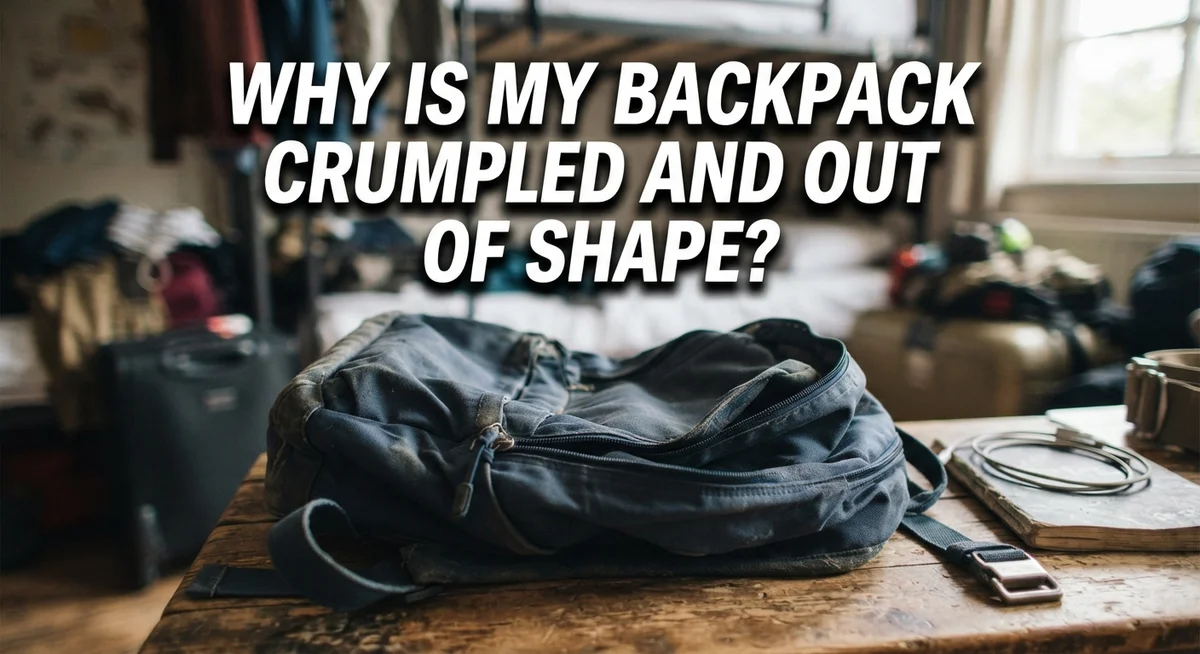
Why Is My Backpack Crumpled And Out Of Shape?
Do you open your closet and see a sad, wrinkled backpack staring back at you? It once stood tall and held its shape perfectly. Now it looks tired, saggy, and out of shape.
This is a common problem for many backpack owners. Your bag faces daily stress from overloading, poor packing habits, and normal wear. Over time, these factors break down its structure.
The good news? You can fix this issue and prevent it from happening again.
In this guide, we will explore the real reasons behind backpack shape loss. You will learn about weak seams, thin fabric, and missing support inserts.
In a Nutshell
- Overloading is the top cause. Too much weight stretches the fabric and weakens straps over time. This leads to a saggy, misshapen backpack.
- Weak seams cause structural damage. Poor stitching cannot hold the bag’s form. Small tears grow into bigger problems if ignored.
- Base support matters a lot. Without a sturdy bottom, your backpack collapses inward. A base insert can solve this issue quickly.
- Restoration is possible with heat. A steam iron with a cloth barrier smooths out wrinkles. Never apply direct heat to leather or synthetic fibers.
- Fabric quality affects shape retention. Stiffer materials like Cordura hold their form better. Softer fabrics tend to wrinkle and sag faster.
- Prevention beats repair every time. Redistribute weight evenly and tighten straps often. Fix seam damage early before it spreads.
Common Causes of a Crumpled, Shapeless Backpack
Your backpack loses its shape for several clear reasons. Understanding these causes helps you fix the problem and prevent it from happening again.
Overloading stretches your fabric. When you pack too much weight, the material gets pulled in all directions. The seams start to separate. The straps weaken and sag. Your backpack cannot hold its original form anymore.
Poor seam construction creates weak points. If your backpack has loose or crooked stitching, those seams fail first. Weak seams cannot support the bag’s structure. Over time, the entire backpack collapses. This is especially true for the bottom seams that bear the most weight.
Missing base support causes collapse. A backpack needs a sturdy foundation. Without proper support at the bottom, the bag folds in on itself. The sides cave inward. Your belongings press against the fabric, creating permanent wrinkles and dents.
Fabric quality matters significantly. Some materials are naturally stiffer and hold their shape better. Other fabrics are soft and flexible. They crumple easily when packed or stored. Thinner fabrics also struggle to maintain form under pressure.
Uneven weight distribution damages structure. When you load items unevenly, one side gets stretched more than the other. This creates an imbalanced backpack. The straps pull at odd angles. The fabric warps permanently.
Strap neglect leads to sagging. Loose straps cannot support your backpack properly. The bag hangs awkwardly and loses its shape. Tight straps keep everything in place and maintain structure.
These causes often work together. A backpack with weak seams plus overloading plus poor fabric quality will lose its shape much faster. The good news is that knowing these causes lets you take action. You can address each problem individually and restore your backpack.
How Overloading and Weight Distribution Affect Backpack Shape
When you overload your backpack, the fabric stretches beyond its normal limits. Each extra pound pulls on the material and forces seams to work harder than they should. Over time, this constant strain weakens the entire structure.
Weight distribution plays a huge role in keeping your backpack’s shape intact. When items sit unevenly, one side bears more pressure than the other. This causes that side to sag and wrinkle while the opposite side remains relatively firm. The result is a lopsided, crumpled appearance that’s hard to fix.
Think of your backpack like a container. If you fill it unevenly, the heavier side collapses inward. The fabric on that side gets compressed and creased repeatedly. These creases become permanent wrinkles over time.
Your straps also suffer from poor weight distribution. When weight leans to one side, the straps on that side take extra punishment. They stretch faster and lose their tightness. Loose straps make the entire bag sag and lose its structured form.
The base of your backpack needs strong support to maintain shape. Without a sturdy bottom, the weight pushes down and causes the sides to fold inward. This creates that sad, deflated look many backpack owners experience.
Here’s the practical solution: Distribute weight evenly from side to side. Place heavier items in the center and closer to your back. Spread lighter items around the edges. This balance keeps pressure consistent across the entire bag.
Tighten your straps regularly to maintain tension. Check them before each use. Loose straps allow the bag to shift and crumple during movement.
Never pack beyond your backpack’s capacity. Check the manufacturer’s guidelines for maximum weight limits. Respecting these limits preserves the fabric and keeps your bag looking new. Proper weight distribution is the easiest way to prevent shape loss and extend your backpack’s lifespan.
The Role of Fabric, Seams, and Design in Shape Retention
Your backpack’s shape depends heavily on three things: the fabric itself, how the seams are constructed, and the overall design of the bag.
Fabric stiffness is your first line of defense. Materials with natural rigidity hold their form much better than soft, floppy fabrics. Thicker, denser materials resist wrinkling and maintain structure even when packed. Lighter fabrics tend to crumple easily and lose their shape quickly.
The seams are equally important. Straight, tight stitching creates a strong skeleton for your backpack. When seams are crooked or loose, they cannot properly support the bag’s structure. Even one weak seam can cause the entire bag to sag or collapse inward. Quality seams distribute stress evenly across the backpack.
Design features also play a big role. Piping along the edges adds stiffness and helps maintain sharp lines. Bags designed with reinforced corners and structured panels keep their shape better than simple, unstructured designs. The pattern of how panels are cut and sewn together affects how well the backpack stays square and upright.
A proper base insert makes a huge difference. The bottom of your backpack needs solid support to prevent it from folding in on itself. Without this foundation, even a well made bag will eventually crumple.
Pay attention to how your backpack is designed. Look at the seams when you buy one. Are they straight and tight? Is the fabric sturdy? Does the bag have reinforced areas at stress points?
These design elements work together to keep your backpack looking crisp and structured. A well designed bag with quality materials and construction will resist shape loss far better than a poorly made one. When shopping, examine the stitching closely and feel the fabric weight in your hands.
Step-by-Step: How to Restore Your Backpack’s Shape
Your backpack can bounce back to its original shape with the right approach. Start by emptying everything out completely. A crumpled backpack needs space to breathe and reshape itself.
Next, assess the damage. Look for wrinkled fabric, bent seams, or areas where the material has lost its form. Gently run your hands over the backpack to feel where the problem areas are located.
For wrinkled fabric, steam is your best friend. Fill a steamer with water and let it heat up. Hold the steamer several inches away from the fabric surface. The warm steam relaxes the material fibers and allows them to settle back into their original position. Always use a protective cloth barrier between the steamer and delicate materials to prevent damage.
If your backpack has a base insert or internal structure, check if it’s damaged or compressed. A weakened base causes the entire backpack to collapse inward. You may need to replace or reinforce this support system to restore proper shape.
Tighten all straps and zippers. Loose straps contribute to a saggy appearance. Pull each strap snug so the backpack maintains tension across all sides.
Stuff your backpack with newspaper or packing material while it dries. This technique helps the fabric hold its shape as moisture evaporates. Leave the stuffing inside for 24 to 48 hours.
Store your backpack properly after restoration. Keep it upright on a shelf or hang it on a hook. Avoid folding or crushing it in tight spaces.
Prevention is easier than restoration. Never exceed your backpack’s weight capacity. Distribute items evenly from left to right and front to back. Check seams regularly for early signs of damage. Address small problems immediately before they become major structural issues.
Preventive Care Tips to Keep Your Backpack Structured
Your backpack stays structured when you follow smart care habits from day one. These preventive steps keep your bag looking fresh and functional for years.
Start with regular strap maintenance. Check your straps every week or two. Tighten them when they feel loose. Loose straps allow your bag to sag and lose its shape. This simple habit prevents most structural problems before they start.
Inspect seams frequently. Look for small tears or loose stitching along the edges and corners. Catch problems early. A tiny seam issue becomes a big shape problem when left alone. Fix weak seams before they spread.
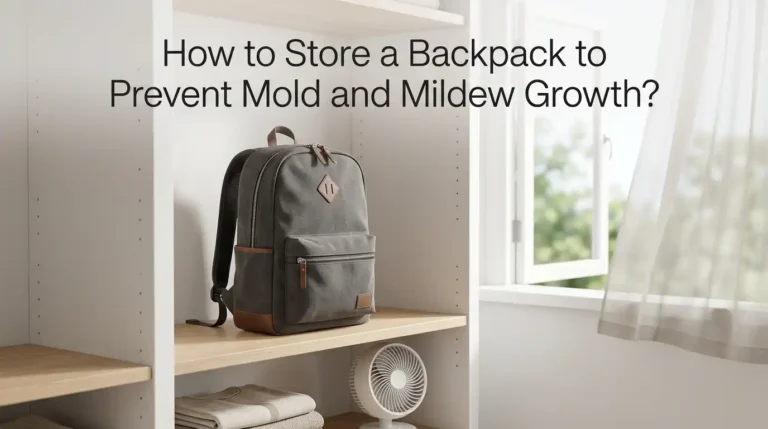
Choose the right storage location. Store your backpack in a cool, dry place away from direct sunlight. Heat and moisture weaken fabric over time. Keep it away from radiators and damp basements. A closet shelf works perfectly.
Use proper support when storing. Hang your backpack on a hook or lay it flat. Never crumple it into a corner. Hanging keeps the bag’s natural form intact. If you store it flat, stuff it gently with newspaper to maintain its shape.
Rotate your backpack if you use it daily. Using the same bag every single day speeds up wear. If possible, alternate between two bags. This gives each one time to recover and retain its structure.
Keep the base protected. The bottom of your backpack takes the most stress. Avoid dragging it on rough surfaces. Place it on clean ground when you set it down. A protected base means your backpack stays square and sturdy.
Monitor weight distribution constantly. Even when packing within limits, balance your load side to side. Check that nothing shifts during use. Constant shifting stresses seams and stretches fabric unevenly.
These habits work together to keep your backpack looking structured and new.
Signs of Poor Fit and How They Contribute to Deformation
Your backpack loses shape when it doesn’t fit your body properly. A poor fit creates stress points that damage the structure over time.
Shoulder strain is a major warning sign. When your backpack sits too high or too low on your shoulders, the straps pull unevenly. This tension stretches the fabric and weakens the attachment points. You might feel sharp pain or soreness after wearing it for just an hour or two.
Hip discomfort tells you the weight isn’t distributing correctly. Your backpack should rest comfortably on your hips, not dig into them. When it doesn’t, the load shifts to your shoulders and back. This uneven weight distribution causes the sides to crumple and the base to sag.
Muscle soreness or hot spots indicate friction problems. These painful areas show where your backpack is rubbing or pressing too hard. The constant rubbing weakens the fabric in those spots, leading to permanent deformation. Over time, the material thins out and loses its structure.
Uneven weight distribution is perhaps the most damaging issue. When items pile up on one side, that section gets compressed while the other side stays stiff. Your backpack develops a lopsided appearance and never returns to its original shape.
The fit affects your backpack’s longevity directly. A pack that doesn’t match your body size or shape forces materials to work harder than they should. Straps stretch, seams separate, and the overall structure collapses.
Check your fit regularly. Pay attention to discomfort signals your body sends. Adjust straps until the weight sits evenly across your shoulders and hips. A proper fit prevents damage before it starts, keeping your backpack looking crisp and structured for years to come.
Common Mistakes That Accelerate Backpack Shape Loss
Overloading your backpack is the fastest way to destroy its shape. When you stuff it beyond capacity, the fabric stretches permanently. The seams separate under constant pressure. Straps lose their ability to support weight properly.
Poor weight distribution makes things worse. Heavy items placed on one side create uneven stress. Your backpack leans and sags where the weight concentrates. The frame bends out of alignment. Over time, this becomes permanent deformation.
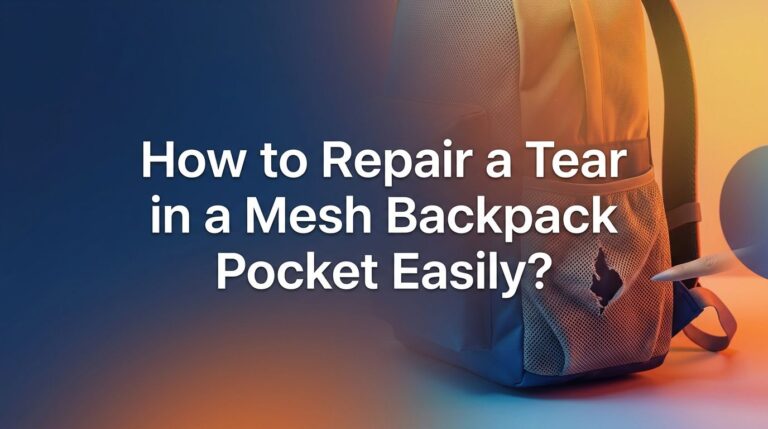
Ignoring early seam damage accelerates shape loss significantly. Small tears at the corners seem minor at first. But they grow larger with each use. The structural integrity fails when seams give way. What started as a small problem becomes irreversible.
Neglecting strap maintenance compounds the issue. Loose straps don’t hold your pack securely against your body. Your backpack shifts and bounces with every step. This constant movement stretches the attachment points. Straps eventually tear away from the main fabric.
Storing your backpack incorrectly speeds up deformation too. Hanging a heavy pack by one handle puts all pressure on a single point. The fabric bunches and creases. Folding it tightly for storage creates permanent wrinkles. Leaving it in damp conditions weakens the material.
Using inadequate base support causes collapse. Without proper reinforcement underneath, the bottom sags inward. Your items press down on weakened fabric. The entire structure loses its square shape.
Poor fabric quality makes everything worse. Thin materials can’t maintain their form under normal use. Cheap seams unravel easily. Weak straps tear quickly.
The combination of these mistakes creates a vicious cycle. One problem leads to another. Your backpack deteriorates faster when multiple issues exist together. Addressing mistakes early prevents catastrophic shape loss later.
Final Thoughts
Your backpack does not have to stay crumpled forever. Most shape problems come from simple habits you can easily fix.
Overloading is the biggest culprit behind a deformed backpack. Your bag was built to carry a certain weight, and pushing past that limit stretches the fabric permanently.
Weak seams also play a huge role in shape loss. Once stitching starts to fail, the whole structure loses its ability to hold form.
The good news is that most of these issues are preventable. Simple daily habits like checking your straps and distributing weight evenly can make a real difference.
If your backpack already looks crumpled, do not panic. A steam iron with a protective cloth barrier can help smooth out wrinkled areas.
Just remember to avoid direct heat on leather or synthetic fibers. Too much heat can damage the material instead of fixing it.
Adding a base insert gives your backpack extra support from the bottom up. This simple fix helps it hold its shape even under daily use.
Piping along the edges also adds stiffness where you need it most. This small addition makes a noticeable difference in how your backpack looks.
Choosing bags with durable materials like Cordura on the bottom and sides helps prevent future problems. These fabrics resist stretching and hold their form much longer.
Fabric stiffness and seam straightness matter more than most people realize. These design factors determine whether your backpack stays square or slowly collapses.
Your backpack’s shape depends on how you treat it every single day. Small changes in how you pack, carry, and store your bag add up over time.
Fix problems early, distribute weight properly, and your backpack will thank you with years of reliable use.
Frequently Asked Questions
Can I fix a crumpled backpack at home?
Yes, you can restore a crumpled backpack with basic methods. Steam ironing works well for wrinkled fabric. Place a protective cloth between the iron and your backpack to avoid direct heat damage.
For stubborn creases, hang your backpack in a warm room for a few days. The fabric will gradually relax and regain its shape.
Why does my backpack lose shape even when I don’t overload it?
Poor seam construction is often the culprit. Weak stitching fails to hold the bag’s structure together properly.
The fabric itself matters too. Low quality materials cannot maintain their form over time. Inadequate base support also causes collapse from the bottom up.
How do I prevent my backpack from getting crumpled again?
Tighten your straps regularly to maintain proper tension. Distribute your weight evenly inside the bag instead of packing one side heavily.
Store your backpack upright when not in use. This prevents the fabric from creasing under its own weight. Consider adding a base insert for extra support from underneath.
Does fabric type affect shape retention?
Absolutely. Stiffer fabrics hold their shape better than soft, thin materials. Durable options like Cordura resist deformation much longer than standard cotton blends.
Fabric thickness and weave pattern determine how well your backpack bounces back after being packed and unpacked.
What’s the difference between fixing wrinkles and fixing structural damage?
Wrinkles are temporary creases you can remove with heat or time. Structural damage involves torn seams, broken straps, or collapsed panels.
Address seam damage early before it spreads. Small repairs prevent major deformation later.

Hi, I’m Luna Beck — the founder and voice behind Urban Pack Vault. I’m passionate about helping people find bags that perfectly match their lifestyle. From backpacks to travel luggage, I research, review, and recommend so you never have to second-guess your next purchase.