Why Is My Bag Lining Crumbling Into Small Pieces?
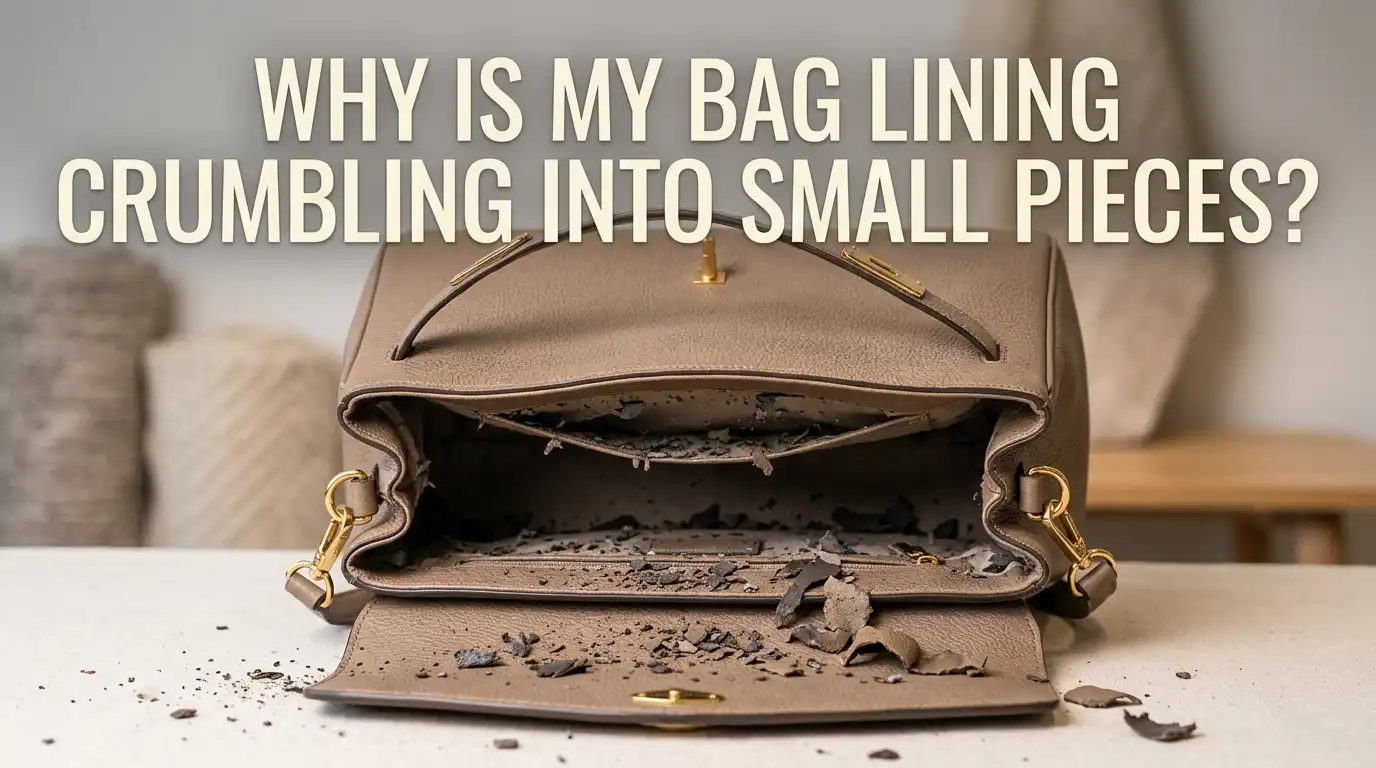
You reach into your favorite handbag and pull out a handful of sticky black flakes. Your fingers feel powdery. The inside of the bag looks like it is shedding skin. If this sounds familiar, you are not alone, and your bag is not ruined forever.
This guide explains why bag linings break down into crumbs, what you can do to clean the mess, and how to stop the damage from spreading.
You will learn simple repair steps, smart prevention tricks, and which methods work best for different bag types. Let us fix your bag together.
In a Nutshell
- The main cause is polyurethane breakdown. Most modern bag linings use a PU coated fabric. Over time, moisture in the air slowly eats away at this coating. The result is flaking, peeling, and powder.
- Heat and humidity speed up the damage. Storing your bag in a hot closet, a plastic cover, or a damp basement triggers faster crumbling. Cool, dry, and breathable storage is the key fix.
- You can save the bag with a full lining removal. Brushing out every flake, then sealing or replacing the lining, gives the bag a fresh interior. This works for most leather and faux leather bags.
- DIY repairs cost very little. A suede brush, vacuum, fabric glue, and new lining cloth are usually all you need. Professional restoration is also an option for luxury bags.
- Prevention beats repair. Once PU starts to crumble, it rarely stops on its own. Storing your bag well from day one keeps the lining intact for many extra years.
- Age and material quality matter. Bags older than 10 to 15 years often have linings reaching the end of their natural life, no matter how well you store them.
What Is Actually Happening Inside Your Bag
Your bag lining is breaking down at a chemical level. Most handbags use a fabric coated with a thin layer of polyurethane, also called PU. This coating gives the lining its smooth, shiny, leather like feel.
Polyurethane is made of long polymer chains. These chains absorb moisture from the air slowly over many years. Once enough water enters the structure, the chains snap apart. This process is called hydrolysis.
When the bonds break, the smooth coating turns into a sticky paste first. Then it dries into powdery flakes. You see these flakes as the small crumbs falling out of your bag. The bag is not dirty. It is decaying.
Why PU Linings Were Used in the First Place
Many people ask why bag makers picked a material that fails over time. The answer comes down to cost, look, and feel. Polyurethane fabric looks like leather but costs far less to produce.
In the 1990s and 2000s, almost every mid range and luxury bag brand used PU linings. Gucci, Coach, Prada, and many others coated their interior fabrics with this material. It felt soft, looked clean, and shaped well around bag frames.
The downside was not obvious at the time. Hydrolysis takes 10 to 20 years to fully show. So buyers enjoyed years of beauty before noticing any flakes. Today, those bags are reaching the end of that timeline, which is why this problem feels so widespread.
Common Signs That Your Lining Is Breaking Down
Spotting the early signs helps you act before things get worse. The first warning is usually a faint sticky feel on the inside walls. Your fingers may pick up a slight tackiness when you rummage inside.
Next, you may see small dark specks on your wallet, keys, or phone. These specks rub off easily and feel powdery. You might also notice a strange smell, similar to old plastic or chemicals.
In advanced stages, the lining looks blistered or wrinkled. Whole strips of the coating may peel away from the backing fabric. At this point, the crumbling is active and fast. Cleaning out the bag every week becomes a normal routine until you fix it.
Pros and Cons of Cleaning Without Removing the Lining
Some owners try to live with the lining and just clean out the mess regularly. This is the lightest touch option. You vacuum or wipe the inside every few days. Pros include zero cost, no skill needed, and no risk of damaging the bag further.
The cons are bigger. The crumbling never stops on its own. You will keep finding flakes on your belongings every time you open the bag. The sticky residue can stain light colored items like silk scarves or paper documents.
This method works only as a short term fix. If you love the bag but cannot repair it yet, a regular vacuum routine buys you time. For a long term solution, you will need to move on to the next steps.
Step by Step Guide to Removing the Crumbling Lining
This is the most effective fix for a badly flaking bag. First, empty the bag completely and turn it inside out if possible. Lay an old towel underneath to catch falling flakes.
Use a soft suede brush to scrub the lining in firm, short strokes. The flakes will lift away in clouds, so work outdoors or near an open window. A vacuum with a small nozzle helps pick up the debris.
For stubborn sticky patches, dampen a microfiber cloth with rubbing alcohol and wipe gently. Keep brushing until the surface feels dry and matte. Some bags will have a thin fabric backing left behind. That backing is perfectly usable as a new interior surface, or you can cover it.
Sealing the Bare Lining With a Protective Coat
Once you have removed the crumbling layer, the raw fabric underneath needs protection. A clear acrylic sealer or fabric medium locks down any remaining loose fibers and stops further shedding.
Apply the sealer with a sponge brush in thin, even strokes. Let the first coat dry for two hours, then add a second coat. Most people find that two coats give a smooth, lightly shiny finish that feels clean to the touch.
Pros of sealing include a fast finish, low cost, and a smooth surface for your items. Cons include a slightly stiff feel compared to original fabric, and the sealed surface may look uneven if your brushing was rushed. Take your time and test on a small patch first.
How to Replace the Lining With New Fabric
For a more polished result, you can sew or glue in a brand new lining. Cotton, satin, and nylon are all good choices. Pick a color that contrasts with your bag exterior so you can find items easily.
Measure the inside of the bag and cut your new fabric with a one inch extra border on all sides. Fold the edges under and press them flat with an iron. Fabric glue or a needle and thread both work to attach the new lining.
The pros are huge. Your bag looks brand new inside and feels like a fresh purchase. The cons are time and skill. Hand sewing takes two to four hours. Glue is faster but can leave visible bumps if applied too thickly.
When to Choose Professional Bag Restoration
Some bags deserve expert hands, especially luxury or vintage pieces. Designer handbags from brands like Gucci, Chanel, and Louis Vuitton hold strong resale value. A clean professional restoration protects that value.
A bag restorer charges anywhere from 80 to 400 dollars depending on the bag size and lining damage. They remove the old lining fully, install matching fabric, and stitch it in by hand. The result usually looks identical to the original.
Pros include a flawless finish, no risk of DIY mistakes, and a warranty on the work in many cases. Cons are the cost and the wait time, which can run four to eight weeks. For a beloved heirloom bag, the price is often worth it.
How Storage Habits Cause Lining Breakdown
Your storage choices directly affect how fast PU breaks down. Plastic bags and airtight containers are the worst offenders. They trap moisture against the lining and speed up hydrolysis dramatically.
Hot attics, humid basements, and sunny windowsills also push the decay forward. Heat softens the PU coating and makes it more likely to peel. Sunlight breaks down the polymer chains through UV damage.
The fix is simple. Store your bags in a cotton dust bag inside a cool, dry closet. Avoid stacking them, since pressure causes creases that crack the coating. Add a silica gel packet inside the bag to soak up any humidity. These small changes can add five to ten years to your lining life.
Pros and Cons of DIY Versus Professional Repair
Choosing between fixing it yourself and hiring a pro depends on three things: budget, time, and skill. DIY repair saves money and gives you full control. You can finish a basic clean and seal in one afternoon.
Pros of DIY include very low cost, the satisfaction of fixing it yourself, and learning a useful skill. Cons include the risk of uneven results, possible damage to the outer leather if you brush too hard, and a finish that may not match the original.
Pros of professional repair include perfect results, no risk to the bag, and time saved. Cons are the high price and the wait time. For everyday bags, DIY is usually the smart pick. For designer or sentimental bags, professional work is often the safer choice.
Preventing the Problem in New Bags You Buy Today
If you are buying a new bag, you can pick one less likely to crumble. Look for natural fabric linings like cotton twill, canvas, or microfiber suede. These materials age slowly and rarely flake.
Avoid bags with shiny, plastic feeling interiors unless the brand clearly states the lining is leather. Brands that focus on long term durability often use jacquard cotton or branded fabric linings instead of PU.
Once you bring a new bag home, start good habits right away. Keep it in a breathable cotton dust bag and stuff it with acid free paper when not in use. Rotate your bags so no single one sits unused for years. These steps protect your investment from day one.
Frequently Asked Questions
Is the crumbling lining toxic or dangerous to touch?
Most polyurethane flakes are not toxic in small amounts. They are not safe to eat or breathe in large quantities, so wash your hands after handling and brush the bag in a well ventilated area. Keep flakes away from pets and small children.
Can humidity alone destroy a bag lining stored properly?
Yes, even bags stored carefully can break down if the room humidity stays high for years. Aim for indoor humidity between 40 and 55 percent. A small dehumidifier in your closet helps a lot in damp climates.
Will the outer leather of my bag also crumble like the lining?
Real leather rarely crumbles the way PU does. Genuine leather may dry out or crack, but it does not flake into powder. If your bag exterior is also faux leather, it can suffer the same hydrolysis problem as the lining.
How long does a typical PU lining last before it starts to fail?
Most polyurethane linings last between 10 and 20 years. The exact lifespan depends on storage, climate, and how often you use the bag. Bags stored in hot or humid spaces may start failing as early as 7 years.
Can I use regular school glue to fix a peeling lining?
School glue is not strong enough and may dry out and crack. Use fabric glue or a clear flexible adhesive made for textiles instead. These dry clear, stay flexible, and bond well to fabric and polyurethane surfaces.
Does freezing the bag stop the crumbling process?
Freezing can slow the chemical breakdown briefly, but it is not a real solution. Once you take the bag out and use it again, the decay continues. Proper storage and timely repair work much better than freezing.

Hi, I’m Luna Beck — the founder and voice behind Urban Pack Vault. I’m passionate about helping people find bags that perfectly match their lifestyle. From backpacks to travel luggage, I research, review, and recommend so you never have to second-guess your next purchase.