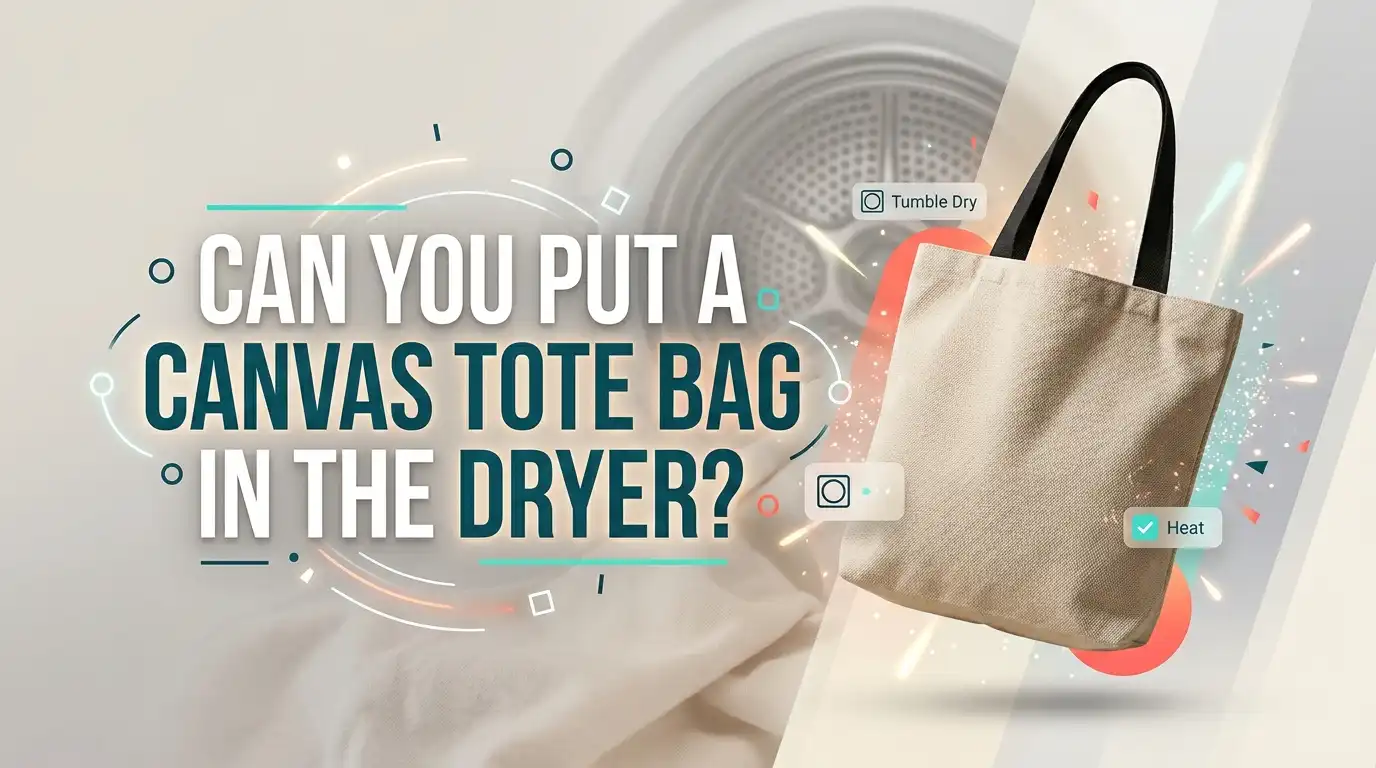
Can You Put a Canvas Tote Bag in the Dryer?
A canvas tote bag does a lot of work. It carries groceries, books, gym clothes, beach gear, and all the small items that end up living at the bottom of a bag. So when it gets dirty, you want a fast fix. The big question is simple. Can you put a canvas tote bag in the dryer?
In most cases, the safest answer is no. High heat can shrink cotton canvas, weaken fibers, fade color, and damage prints or trim. That does not mean you are stuck with a damp bag hanging around your home for days.
You just need the right drying method for your bag type. This guide gives you clear, practical steps that help you dry your tote safely, keep its shape, and avoid the common mistakes that ruin a good bag.
In a Nutshell
- Most canvas tote bags should not go in the dryer. Heat can shrink natural fibers, make the bag stiff, and change its shape. If your tote is made from cotton canvas, the risk is even higher because cotton reacts badly to hot water and high heat.
- Always check the care label first. Some bags are spot clean only. Some can handle a gentle wash. A few may allow low heat drying, but many brands still suggest air drying. The label should guide your final choice, especially if the bag has prints, leather handles, or a firm base.
- Air drying is the safest method for most bags. Lay the tote flat on a clean towel, or hang it in a spot with moving air. This method protects the fibers and helps the bag keep its original shape. It takes longer, but it lowers the chance of damage.
- Low heat dryer use is a last resort, not the first plan. If the care label allows machine drying, use the lowest heat, keep the cycle short, and remove the bag while it is still a little damp. This reduces heat stress, but it still carries some risk.
- Printed, painted, or decorated totes need extra care. Dryer heat can crack designs, loosen glue, warp patches, and damage hardware. If your bag has any special detail, skip the dryer and use gentle air drying instead.
- If your tote already shrank, you may be able to improve it. A light soak in lukewarm water, careful reshaping, and flat drying can help relax the fibers a little. It may not return fully to its old size, but you can often make it look and feel better.
The Short Answer: Should You Put a Canvas Tote Bag in the Dryer?
The short answer is usually no. Most canvas tote bags do best with air drying because canvas, especially cotton canvas, can shrink under heat. The dryer adds both heat and tumbling, and that combination is hard on bag fibers.
Many people think a tote bag is tough enough for any laundry method. That sounds reasonable because canvas feels thick and strong. Still, strength does not mean heat proof. A sturdy bag can still come out smaller, twisted, wrinkled, or rough after one hot cycle.
If your bag has no care label, play it safe. Use cold water for washing and air drying for finishing. That simple routine protects the bag better than guessing.
Pros of skipping the dryer: lower shrink risk, better shape, less fading, safer for prints.
Cons of skipping the dryer: longer drying time, need for a clean drying space, possible wrinkles if you do not reshape the bag early.
Why Dryer Heat Can Damage a Canvas Tote
Canvas is a woven fabric, and many tote bags use cotton canvas. Cotton can tighten under heat. That is why dryer heat is the main problem, not just the spinning. The fibers pull in, and the tote may lose size or structure.
Heat can also make the bag look older faster. Colors may fade. Printed logos may crack. Seams can pull in odd ways. If the tote has interfacing inside, the material may bend or bubble.
Another issue is shape. A canvas tote often stands or folds in a certain way because the fabric has learned its form. A hot dryer can change that. You may notice curled edges, twisted straps, or a shrunken base after the cycle ends.
This matters even more if the bag carries heavy loads. A bag with weakened fibers may still look fine at first, but it may wear out faster later.
Pros of understanding the risk: you prevent damage before it happens and save money.
Cons of ignoring the risk: one fast dryer cycle can create permanent changes.
Read the Care Label Before You Do Anything
The care label is the first thing to check. It tells you what the maker believes the bag can handle. If the tag says line dry, air dry, or spot clean only, follow that advice. It is the safest route.
Some people skip the label because tote bags seem simple. Still, the label can warn you about hidden details. The bag may have a coated lining, glued patch, leather trim, or a print that reacts badly to heat.
If the label is missing, use the safest general method. Wash gently in cold water and let the tote air dry. That method works for most plain canvas bags.
A symbol with a square and circle usually refers to tumble drying. If there is no clear dryer approval, do not assume it is fine. No label should mean more caution, not less caution.
Pros of following the label: better results, less guesswork, lower risk of shrinkage.
Cons: some labels are vague, faded, or missing, so you may still need a careful backup plan.
Know Your Tote Material Before You Dry It
Not all canvas totes are exactly the same. Some are pure cotton. Some are cotton blends. Some include lining, coating, or trim. Your drying choice should match the actual bag material, not just the word canvas.
A plain cotton canvas tote is the most likely to shrink in heat. A blend may resist shrinkage a little better, but it can still warp or wrinkle. If the bag has leather handles, the dryer is a bad idea. Leather can dry out, stiffen, or crack. If the tote has a plastic base insert, heat may bend it.
Printed and painted bags need more care too. Heat can damage the design even if the bag itself survives. Bags with metal zippers or snaps can knock around in the dryer and stress the seams.
So take a quick look before drying. Check the body, straps, trim, and inside panels. A simple inspection helps you avoid a very avoidable mistake.
The Best Safe Way to Dry a Canvas Tote Bag
For most canvas totes, air drying is the best method. It protects the fabric, lowers the shrink risk, and helps the bag keep its shape. It is slower, but it is safer.
Start by pressing out extra water with a clean towel. Do not twist or wring the bag. That can pull the seams and leave deep wrinkles. Next, reshape the tote with your hands. Straighten the straps, smooth the corners, and open the bag so air can move through it.
You can then dry it in one of three ways. Lay it flat on a towel, hang it from the straps, or place it over a drying rack. Flat drying is best for soft bags that lose shape easily. Hanging works well for lightweight totes. A rack gives good airflow on all sides.
Pros of air drying: safest method, less shrinkage, better for prints and trim.
Cons of air drying: slower, needs space, may leave some wrinkles if you do not reshape early.
Can You Ever Use a Dryer on Low Heat?
Yes, but only in limited cases. Use a dryer only if the care label clearly allows it. Even then, low heat should be your maximum setting. High heat is still a no.
If you must use the dryer, place the tote inside out and use a short, gentle cycle. Remove it while it is still slightly damp. Then reshape it and finish with air drying. This method lowers the amount of heat the fabric takes in.
This option may work for a plain, sturdy, unprinted canvas tote with no leather, glue, coating, or stiff base. Still, it is a risk. The bag may come out fine once and shrink the next time. Dryer results are not always consistent.
Think of low heat drying as an emergency shortcut, not your normal routine. Safe does not mean risk free.
Pros of low heat dryer use: faster drying, useful in humid weather, helps in time crunches.
Cons of low heat dryer use: still may shrink, may twist straps, may harm prints or trim.
What to Do Right After Washing the Bag
The time right after washing matters a lot. A wet canvas tote is easier to shape than a half dry one. That is why the first few minutes after washing are important.
First, remove the tote from the washer right away. Do not leave it packed in a damp pile. That can cause deep creases and stale odor. Next, press the water out gently with a towel. Do not wring it.
Now reshape the bag. Pull the corners into place. Smooth the fabric with your hands. Open the bag if you want the inside to dry faster. If the straps are twisted, fix them now. Wet straps often dry exactly in the shape you leave them.
If the tote is heavy, place a dry towel inside for a short time to absorb extra moisture. Replace the towel if needed. Then move the bag to its final drying spot.
This small routine helps the tote dry faster, look neater, and hold its original form.
How to Dry a Printed or Painted Canvas Tote
A printed tote needs extra care. Heat can crack, peel, or fade the design, even if the canvas itself seems fine. If your tote has paint, vinyl, screen print, or a decorative patch, skip the dryer.
After washing, place the bag flat with the design facing up. Keep the printed side from rubbing hard against rough fabric or metal bars. If you hang it, make sure the design is not folding sharply across a line.
It also helps to keep printed totes out of direct harsh sun for long periods. Gentle airflow is great, but too much strong sun may fade some colors over time. Shade with airflow is often the sweet spot.
If the print sticks slightly after washing, do not pull at it while wet. Let the bag dry first. Then test the surface gently.
Pros of careful air drying: protects the artwork, lowers cracking risk, keeps color clearer.
Cons: slower process, need more patience, design may still fade over years with repeated washing.
How to Dry a Canvas Tote with Leather Handles or Extra Parts
A canvas tote with leather handles, metal hardware, zippers, lining, or a firm insert needs a more careful plan. Mixed material bags should stay out of the dryer. Different parts react to heat in different ways.
Leather can dry out and become hard. Metal pieces can bang around during tumbling and stress the stitching. A firm base may bend. Glue used under patches or trim may soften and fail.
For these bags, towel blot the canvas first. Then wipe the leather parts with a dry soft cloth. Dry the bag in a room with good airflow. If possible, stand it upright with the bag slightly open so the inside can breathe.
Do not place it near a heater or vent to speed things up. Strong direct heat can hurt the leather and warp the structure.
Pros of careful room drying: safer for mixed materials, better shape control, less stress on details.
Cons: slow drying time, may need position changes, inside lining can take longer to dry.
What If Your Canvas Tote Already Shrunk?
If your tote already shrank, do not panic. You may not reverse it fully, but you can often improve it. The goal is to relax the fibers and gently stretch the bag back into shape.
Fill a sink or basin with lukewarm water. Add a small amount of mild soap if the bag needs it, but plain water can work for reshaping. Soak the tote for a short time, then press out the water with a towel. Do not twist it.
Now reshape it by hand. Pull the width and length little by little. Focus on the body and straps. Lay it flat on a towel and continue adjusting the size as it dries. Go slowly and keep the pressure gentle.
This method works best for light shrinkage. If the bag shrank a lot from strong heat, the change may be permanent. Still, a gentle rewet and reshape routine can make the bag more usable again.
How to Remove Wrinkles Without Using the Dryer
People often reach for the dryer because they want a smoother tote. That is understandable, but there are safer ways. You can reduce wrinkles without putting the bag at risk.
The first method is simple reshaping while damp. Smooth the bag with your hands right after washing. Pull the seams straight and flatten the panels. That alone removes many wrinkles.
The second method is steam. Hold a garment steamer a safe distance from the tote and move slowly. If you do not have a steamer, hang the bag in a steamy bathroom for a short time. Then smooth it by hand.
The third method is ironing, but only if the fabric and print allow it. Use low heat and place a thin cloth between the iron and the tote. Never press directly on a printed design unless the maker says it is safe.
Pros: smoother finish, better look, no harsh tumbling.
Cons: takes a little effort, steam needs care, ironing can still damage prints if done poorly.
Common Drying Mistakes That Ruin Canvas Totes
A lot of tote damage comes from small habits that seem harmless. The first big mistake is using high heat. Even one hot cycle can shrink cotton canvas.
The second mistake is wringing the bag. Twisting wet canvas pulls the fibers out of line and can leave the tote crooked. The third mistake is ignoring trim and details. A plain bag and a mixed material bag should not be treated the same way.
Another common mistake is leaving the bag wet for too long in a pile or washer. That can cause odor and deep creasing. Some people also hang a very heavy wet tote by one strap. That can stretch the handle unevenly.
Finally, avoid strong bleach and harsh stain products unless the maker says they are safe. These can weaken the fabric before the drying step even begins.
Small mistakes add up, so the best routine is simple, gentle, and consistent.
How to Keep Your Canvas Tote Looking Good Longer
Good drying habits help, but daily care matters too. The less often you need a full wash, the longer your tote may last. Spot clean small marks early so dirt does not set deep into the fabric.
Empty crumbs and dust from the bag often. If you carry snacks, pens, or makeup, use small pouches inside the tote. That keeps spills from turning into full bag disasters. A little prevention saves a lot of cleanup later.
Store the tote in a cool, dry place. Do not leave it crumpled in a hot car for long periods. If the bag gets damp from rain, dry it the same day. Open it up and let air move through it.
For plain canvas bags, a gentle wash only when needed is enough. Overwashing can wear the fibers down. Treat the tote kindly, and it will usually last much longer and look better while doing its job.
FAQs
Can I put a canvas tote bag in the dryer for just ten minutes?
Maybe, but it is still risky. Even a short dryer cycle can start shrinkage if the heat is high enough. If the care label allows low heat, a very short cycle may be possible for a plain bag. Still, removing it while damp and finishing with air drying is safer.
Will a canvas tote always shrink in the dryer?
Not always, but the risk is real. Some bags may only get a little tighter. Others may lose noticeable size or shape after one cycle. The result depends on the fabric, heat level, and bag details. Cotton canvas is one of the more likely materials to shrink.
Is hanging a canvas tote better than laying it flat?
It depends on the bag. A lightweight tote often dries well when hung. A heavy wet tote may stretch if it hangs from the straps for too long. Flat drying is often best for soft bags or bags that lose shape easily. Hanging works best when the bag is light and reshaped first.
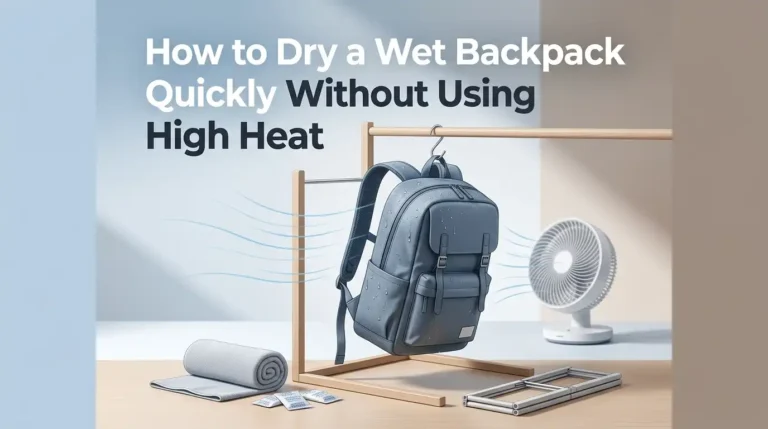
Can I speed up air drying without using a dryer?
Yes. Press out extra water with a towel first. Then place the tote near a fan or in a room with good airflow. Open the bag so air reaches the inside. This speeds up drying without the heat damage risk. Avoid placing it directly against strong heater air.
What is the safest way to dry a canvas tote with a printed design?
The safest way is gentle air drying. Lay the bag flat or place it on a drying rack after reshaping it. Keep the print from folding hard or rubbing against rough surfaces. Skip the dryer completely because heat can crack or fade the design over time.
Can I iron a canvas tote after it dries?
Yes, in many cases, but use caution. Use low heat and place a cloth between the iron and the tote. Do not press directly on painted or printed areas unless the maker says it is safe. A little steam and light pressing can smooth the bag without the risks that come with tumble drying.

Hi, I’m Luna Beck — the founder and voice behind Urban Pack Vault. I’m passionate about helping people find bags that perfectly match their lifestyle. From backpacks to travel luggage, I research, review, and recommend so you never have to second-guess your next purchase.