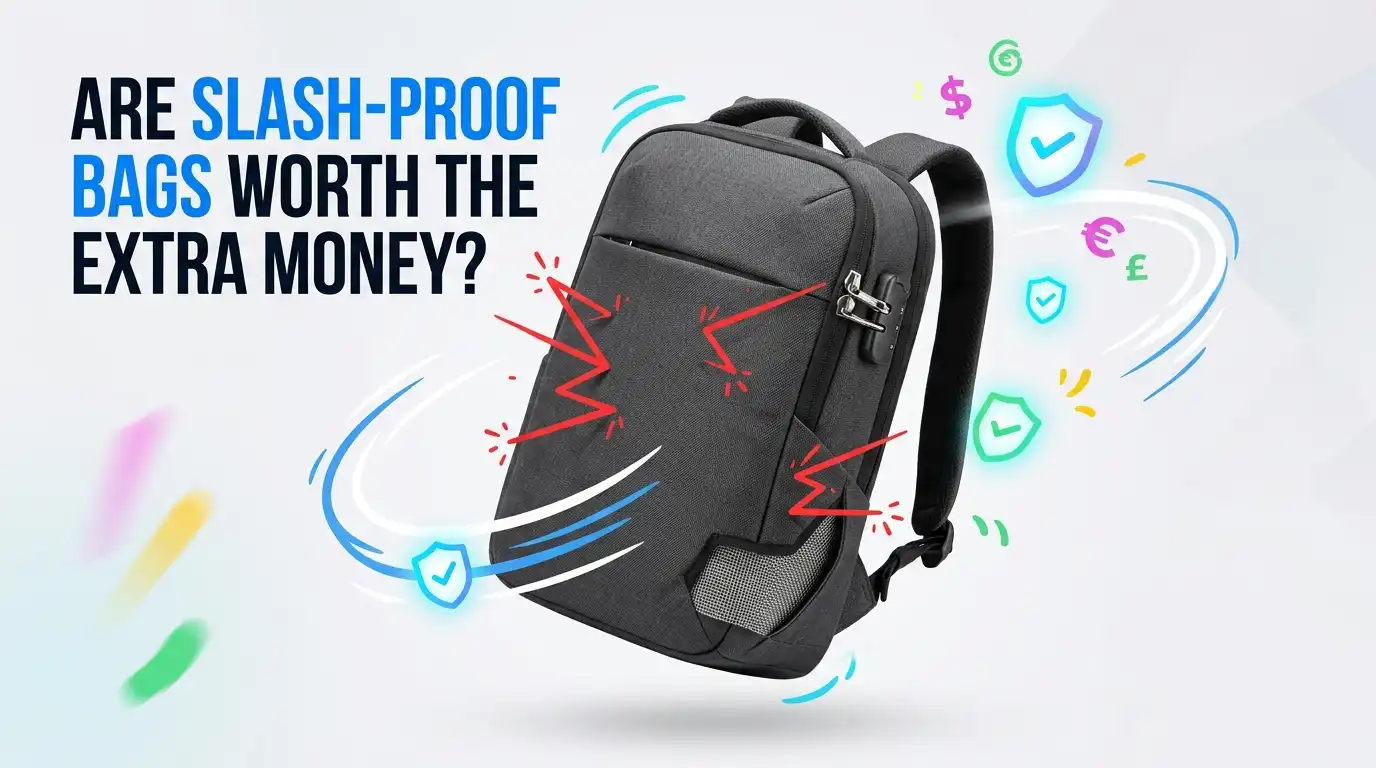
Are Slash-Proof Bags Worth The Extra Money?
Picture this. You step off a crowded train in a busy city. Your bag feels lighter than it should. You reach back, and your wallet is gone. A thief slashed the bottom of your bag and grabbed your cash in seconds.
This happens to thousands of travelers every year. Slash-proof bags promise to stop that exact moment. But they cost more than regular bags, and the price tag makes many people pause. So the real question is simple.
Do these bags earn their higher price, or are you just paying for clever marketing? This guide gives you straight answers. You will learn how these bags work, where they fail, and how to decide if one fits your life and your budget.
In a Nutshell:
- Slash-proof bags work by making you a harder target. Most theft is opportunistic. A thief skips the bag that takes too long to open or cut. The bag shifts the risk onto someone else.
- No bag is fully theft-proof. Brands sometimes use bold words. A determined thief with enough time can reach any bag. These bags reduce opportunity, not all risk.
- The materials matter most. Steel wire mesh and cut-resistant fibers like UHMWPE stop fast slash attacks. Standard nylon and canvas do not.
- They earn their cost in high-theft cities. Rome, Barcelona, Paris, Bangkok, and crowded metros raise your risk. There, the extra money pays off.
- They protect less for low-risk trips. Beach resorts, small group travel, and quiet domestic trips need fewer features. A good regular bag may be enough.
- You can DIY some features for less. Locking zipper clips, wire straps, and hidden pockets cost little. Buying everything built-in costs more but saves effort.
What A Slash-Proof Bag Actually Is
A slash-proof bag is a bag built to resist quick cutting attacks. That is the core idea. A thief in a crowd often carries a small blade or razor.
They slash the side, bottom, or strap of a normal bag and grab what falls out. A slash-proof bag stops that fast cut. It uses a special inner layer that a blade cannot slice through quickly.
The honest truth is in the wording. No fabric bag is truly slash-proof unless it holds wire mesh or steel inside. Brands use the term as shorthand.
A better phrase is slash-resistant. The bag resists a fast slash, but it is not an armored vault. Knowing this difference helps you set fair expectations. You buy time and friction, not a magic shield.
How Slash-Proof Bags Stop Common Theft
Most travel theft is fast and silent. A thief wants the easiest target in the crowd. A slash-proof bag breaks their plan in several ways. It uses layers, not one single trick. Each layer adds a small delay. Small delays push the thief toward an easier victim.
Lockable zippers force the thief to unclip a pull before opening the bag. Body-facing pockets keep your valuables against your spine where no one can reach. Slash-resistant panels stop a quick blade cut.
Reinforced straps stop the slash-and-run grab. Together these features change the math for a thief. They want speed and silence. Your bag gives them neither. That single shift is why these bags work in real situations, much like a strong bike lock works.
The Materials Inside: Wire Mesh vs Cut-Resistant Fabric
The protection comes from what sits inside the bag. Two main approaches exist, and both solve the same problem in different ways. Understanding them helps you judge if a bag is worth its price.
Steel wire mesh sits between the fabric layers. Brands embed a fine metal net that a blade cannot cut fast. This gives strong protection. The trade-off is weight. Mesh bags feel heavier and stiffer.
Cut-resistant fabric uses synthetic fibers like UHMWPE, the same material in safety gloves. It earns the top Level 5 cut rating on the ANSI scale. It is lighter than steel and invisible from the outside. Neither method is clearly better.
Mesh feels rugged and proven. Fiber feels light and flexible. Your choice depends on whether you value toughness or comfort more. Both beat plain nylon by a wide margin.
When Slash-Proof Bags Are Truly Worth The Money
The value depends on where you go and how you travel. Be honest with yourself about your real risk. The extra cost makes clear sense in some settings and little sense in others.
These bags earn their price in cities with heavy tourist theft. Rome, Barcelona, Paris, Naples, Prague, and Bangkok report high pickpocket rates.
Crowded metros and busy markets raise your danger. Solo travelers gain a lot, since no friend watches their bag. People carrying passports, foreign cash, and insurance papers gain too, because those items hurt to replace.
Pros of buying one for high-risk trips: real peace of mind, faster theft deterrence, and protection for hard-to-replace documents. Cons: higher upfront cost, added weight, and features you may rarely use on calm days. For frequent city travelers, the math favors the bag.
When A Regular Bag Is Good Enough
Not every trip needs heavy security. Spending more here wastes money. A smart traveler matches the bag to the real threat. Sometimes a normal bag does the job well.
A regular bag works fine for beach resorts, quiet domestic trips, and small group travel where someone always watches the bags. Low-crowd settings lower your risk a lot. If you rarely ride packed public transport, the slash protection sits unused.
Pros of sticking with a regular bag: lower cost, lighter weight, and more style choices. Cons: no built-in theft defense, exposed zippers, and easy-to-cut fabric in a crowd.
The smart move is to think about your destinations first. If your trips stay calm and low-risk, save your money. A well-made standard bag plus simple habits may protect you just as well.
Slash-Proof Bag vs Regular Bag: A Clear Comparison
The two bags can look identical on a shelf. The difference hides in the details. Seeing them side by side makes the value clear.
A regular bag uses standard zippers, exposed pockets, plain webbing straps, and cuttable fabric. A slash-proof bag uses lockable zippers, hidden body-facing pockets, reinforced straps, and cut-resistant panels. That gap explains the price difference.
Pros of the slash-proof design: it blocks fast theft, guards valuables, and resists strap cutting. Cons: it costs more and weighs more. Pros of the regular bag: it is cheap, light, and stylish. Cons: it offers no real defense against a quick thief. Neither bag is wrong.
A regular bag is not unsafe, and millions travel happily with one. The slash-proof bag simply plans for the worst moment. You decide if that plan is worth the extra cost for your trips.
How To Spot A Genuinely Good Slash-Proof Bag
The term anti-theft is not regulated. Any brand can use it loosely. Some bags add one weak feature and claim full protection. You need to look past the label and check the real build.
Ask one question. What makes this bag harder to steal from than a normal one? A good answer points to several features. Look for lockable zippers, a concealed body-facing pocket, slash-resistant material with a clear rating, and reinforced straps. A real RFID pocket should fit a whole passport, not just a card.
Pros of checking carefully: you avoid overpaying for weak bags and you get true protection. Cons: it takes a little research time. Watch for red flags too.
A bag that names no materials or ratings is a warning sign. So is slash protection on only one small front panel. Any bag that claims to be fully theft-proof is overstating it.
What Slash-Proof Bags Cannot Protect Against
Smart buyers know the limits. A slash-proof bag is not a cure for every theft. It fails in clear situations, and you must cover those gaps with habits, not gear.
An unattended bag loses all protection. The moment it sits on a chair or floor, the features mean nothing. Distraction theft still works if someone grabs your attention while a partner reaches in.
Confrontational robbery is a different threat, and the bag cannot help if someone demands it directly. Sustained cutting with heavy tools in a quiet spot can still defeat the fabric, though that rarely matches how slashing happens.
Pros of knowing the limits: you stay alert and avoid false comfort. Cons: it reminds you the bag is only part of the answer. Awareness remains your first defense. The bag removes the easy options. Your attention removes the rest.
Step-By-Step: How To Choose The Right Slash-Proof Bag
A clear process saves money and stress. Follow these steps in order. Each one narrows your choice and matches the bag to your real needs.
Step one: List your destinations. High-theft cities call for full features. Quiet trips need fewer. Step two: Pick your material. Choose steel mesh for toughness or cut-resistant fiber for light weight.
Step three: Check the security features. Confirm lockable zippers, hidden pockets, and reinforced straps. Step four: Test the size. Make sure the secure pocket fits your passport and phone. Step five: Read the material rating, not just the marketing words.
Pros of this method: you buy once and buy right. Cons: it takes patience before purchase. Take your time with each step. A rushed buy often leads to a bag that is too heavy, too small, or too weak for your trips. A careful choice gives lasting value.
Cheaper DIY Options To Theft-Proof A Bag You Own
You do not always need a new bag. You can add security to a bag you already love. This route saves money and uses simple tools. Many travelers prefer it.
Add locking zipper clips to slow down quick openers. Use carabiners or split rings to bind zipper pulls together.
Insert a thin flexible plastic sheet between the fabric layers for light slash defense. Swap your strap for a wire-cored cut-resistant one, which you can buy ready-made. Fasten your wallet to the inside with a short cord.
Pros of the DIY route: very low cost, no need to replace a bag you like, and full control over which features you add. Cons: it takes effort, and homemade slash protection rarely matches a purpose-built bag. This path fits budget travelers well. You gain real friction against thieves without paying full price for a new bag.
Habits That Matter More Than The Bag
The best bag fails without smart habits. Your behavior protects you more than any fabric. These free actions boost any bag, slash-proof or not.
Keep your bag in front of you in crowds, never on your back in a packed metro. Never leave it unattended, not even for a quick photo.
Stay alert during distractions, since teams often work together. Carry less cash and one backup card in a separate spot. Blend in by choosing a plain bag that does not shout tourist.
Pros of good habits: they cost nothing and work everywhere. Cons: they take steady focus, and one lapse can undo them.
Pair these habits with the right bag and your risk drops sharply. The bag handles the fast slash. Your habits handle the rest. Together they form a defense that a single tool never could.
The Final Verdict: Worth It Or Not?
So, are slash-proof bags worth the extra money? The honest answer is: it depends on your trips. For travelers heading into high-theft cities and crowded transport, the answer is a clear yes.
The bag pays for itself the first time it stops a quick slash or grab. It buys peace of mind and protects items that hurt to lose.
For calm, low-risk travel, the answer leans toward no. A good regular bag plus smart habits often does the job. Think of these bags like travel insurance. You hope you never test them, but you feel glad when they hold up.
The value sits in the friction they create. They do not make theft impossible. They make you the harder target, and in a crowd, that small edge is often all you need.
Frequently Asked Questions
Are slash-proof bags really slash-proof?
No bag is fully slash-proof unless it holds wire mesh or steel inside. Most bags are slash-resistant. They stop a fast blade cut but not endless cutting with heavy tools. The term is marketing shorthand. Set fair expectations and you will be happy with the real protection.
Do slash-proof bags stop pickpockets completely?
They do not stop every pickpocket, but they make theft much harder. Lockable zippers and hidden pockets slow a thief down. Most thieves want speed, so they move to an easier target. Your awareness still matters most during distraction tricks.
Are slash-proof bags heavy and uncomfortable?
It depends on the material. Steel mesh bags feel heavier and stiffer. Cut-resistant fiber bags feel light and flexible, since the fibers weigh less than metal. Pick the fiber type if comfort is your top concern. Both protect far better than plain fabric.
Can I make my own slash-proof bag for less?
Yes, you can add features to a bag you own. Use locking zipper clips, wire-cored straps, and a thin plastic insert. This costs little and works well for light protection. Homemade defense rarely matches a built-in bag, but it still adds real friction against thieves.
Is RFID protection in these bags actually useful?
RFID blocking helps most for passports and older cards. Modern payment cards already use strong security. So the card risk is low. A passport-sized RFID pocket adds real value. It is a nice feature but not the top reason to buy a slash-proof bag.
Where do slash-proof bags help the most?
They help most in crowded, high-theft places. Think Rome, Barcelona, Paris, Bangkok, and packed metros or markets. Solo travelers and people carrying passports gain the most. For quiet resorts or small group trips, a regular bag with good habits is often enough.

Hi, I’m Luna Beck — the founder and voice behind Urban Pack Vault. I’m passionate about helping people find bags that perfectly match their lifestyle. From backpacks to travel luggage, I research, review, and recommend so you never have to second-guess your next purchase.